


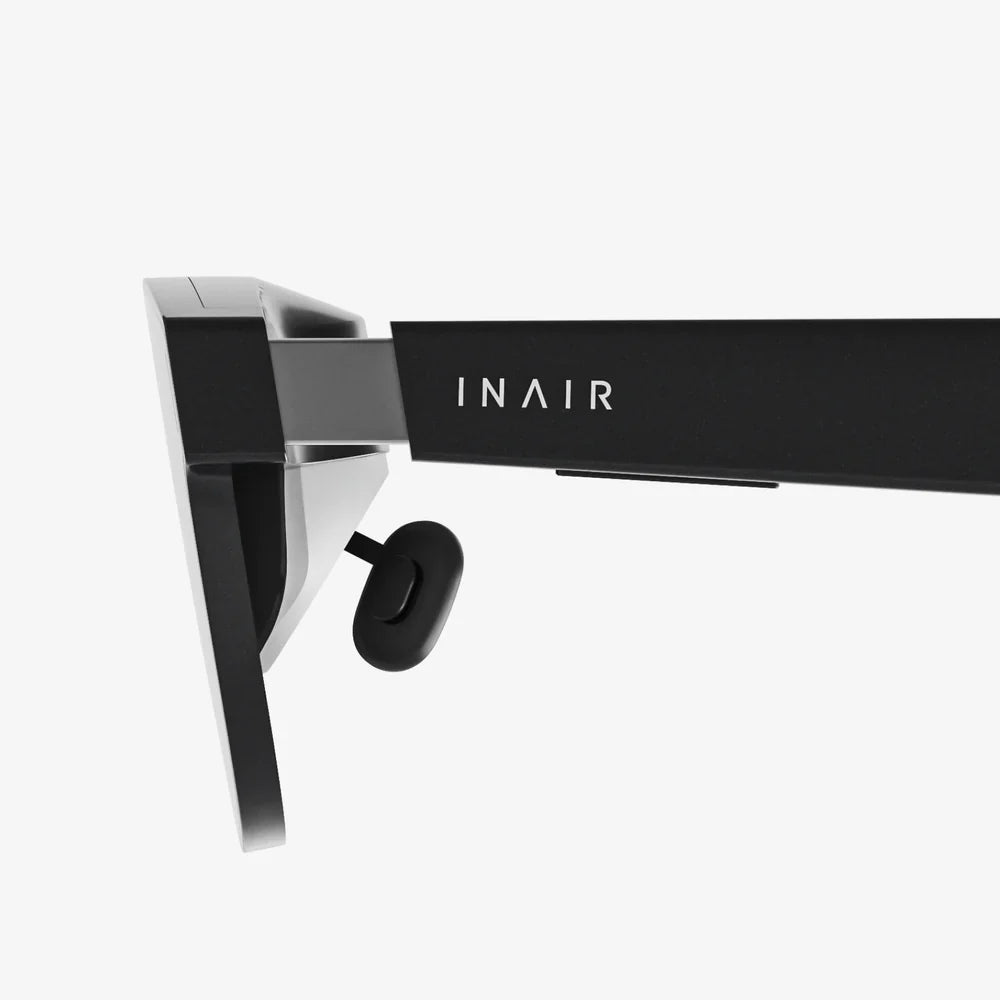
You've seen the mesmerizing commercials, watched friends flail around in a virtual world, and maybe even felt a pang of curiosity. The question hangs in the air, a tantalizing mix of futuristic promise and significant expense: is a VR headset worth buying? The answer isn't a simple yes or no. It's a journey through pixels and potential, a balance between breathtaking immersion and real-world practicality. Unpacking this dilemma requires a deep dive into what modern virtual reality truly offers, who it's for, and what you might be getting into beyond the initial price tag.
The Allure of the Virtual Realm: Where VR Truly Shines
To understand the value of a VR headset, one must first experience—or at least comprehend—the magic of its core offering: immersion. This isn't just watching a screen; it's stepping inside it.
Gaming Transformed
For gamers, VR is nothing short of a revolution. It redefines interaction. Instead of pressing a button to swing a sword, you physically swing your arm. Instead of using a thumbstick to peek around a corner, you actually lean your body. This physicality creates a level of presence and engagement that flat-screen gaming cannot match. Genres like horror become intensely visceral, flight simulators grant a true pilot's perspective, and rhythm games like Beat Saber provide a full-body workout that feels more like a dance party than exercise. The library of dedicated VR titles has grown substantially, offering experiences that are unique to the medium and often critically acclaimed.
Beyond Entertainment: A Tool for Mind and Body
The value of a VR headset extends far beyond the gaming sphere. It has become a powerful tool in other domains:
- Fitness: VR fitness apps have exploded in popularity. They gamify exercise, making cardio fun by having you box, dance, or slice through blocks to music. For many, it's the difference between dreading a workout and looking forward to it.
- Social Connection: Social VR platforms allow you to meet friends, family, or strangers in virtual spaces. You can watch movies together in a virtual theater, play games, or simply hang out as customizable avatars, offering a sense of shared presence that video calls lack.
- Travel and Exploration: Strap on a headset and you can tour the Louvre, walk the streets of ancient Rome, or stand on the surface of Mars. High-quality 360-degree videos and photorealistic VR experiences offer a compelling, though not perfect, substitute for real-world travel.
- Creativity and Productivity: Applications exist for virtual sculpting, painting, and 3D design, allowing artists to create in an immersive 3D space. The concept of the virtual office is also evolving, with apps providing massive virtual screens for coding or design work, though this use case is still in its early stages.
The Other Side of the Coin: The Practical Realities and Drawbacks
For all its wonder, VR technology is not without its significant hurdles. These practical considerations are often the deciding factor for many potential buyers.
The Financial Commitment
The initial purchase price of the headset is just the beginning. There are hidden costs to consider:
- The Hardware Barrier: High-end headsets often require a powerful, and expensive, gaming computer to run, effectively doubling the investment. Even standalone headsets have a cost that is comparable to a new games console.
- Software Prices: VR games and experiences are often priced similarly to traditional AAA titles, meaning building a library can be costly.
- Accessories: You might find yourself wanting additional controllers, better head straps for comfort, prescription lens inserts, or additional tracking sensors, all adding to the total cost.
Physical and Spatial Considerations
VR makes demands on your body and your living space.
- VR Sickness: A significant portion of the population experiences motion sickness in VR, especially in experiences involving artificial movement (like using a controller to walk). While many develop "VR legs" over time, for some, it's a persistent issue that limits enjoyment.
- Required Space: While some experiences are sit-down or stationary, the most engaging ones require a clear play area. You need enough room to swing your arms and take a step or two without smashing a controller into a wall, TV, or pet.
- Comfort and Convenience: Headsets are getting lighter, but they can still be cumbersome. They can feel hot on your face, cause pressure points, and require setup time. The friction of putting it on can be a deterrent for a quick gaming session.
The Content Conundrum
While the library is growing, it doesn't yet rival traditional gaming platforms. You may find yourself blowing through the handful of must-play titles relatively quickly and then facing a content drought, waiting for the next big release. The experience can sometimes feel more like a series of amazing tech demos rather than a deep, sustained ecosystem of content.
Key Questions to Ask Yourself Before You Buy
Determining if a VR headset is worth it for you is a personal calculation. Answering these questions honestly will guide your decision:
- What is your primary use case? Are you a hardcore gamer seeking the next evolution? A fitness enthusiast looking for a fun way to exercise? A tech enthusiast who loves experiencing new technology? Your goal defines the value.
- What is your budget, including hidden costs? Have you factored in the price of a capable PC (if needed), games, and accessories?
- Do you have the required space? Measure your play area. A clutter-free, dedicated space is ideal for room-scale experiences.
- Have you tried VR before? If not, this is the most critical step. Try to find a demo kiosk, visit a friend with a headset, or consider a more affordable entry-level option to test your susceptibility to motion sickness and see if the experience lives up to the hype for you personally.
- Are you comfortable with the current state of the technology? Understand that you are buying into a still-maturing technology. There will be quirks, bugs, and moments of friction.
The Verdict: A Niche Powerhouse with Mass-Market Potential
So, is a VR headset worth buying? For the right person, absolutely. It is not yet an essential piece of technology for everyone, like a smartphone, but it is a profoundly impactful and enjoyable luxury for those whose interests align with its strengths.
It is worth buying if you are an avid gamer craving a new level of immersion, a fitness seeker who needs fun to stay motivated, or a tech early adopter excited by cutting-edge experiences. The value is immense and tangible for these groups.
It is likely not worth buying if your budget is tight, you have very limited space, you are highly prone to motion sickness, or you expect a constant stream of content rivaling a decade-old gaming platform. For the casual observer, it might be better to wait for the technology to become lighter, cheaper, and even more seamless.
The world of VR is no longer a distant sci-fi fantasy; it's a vibrant, present-day reality with incredible experiences waiting to be had. It asks for a considerable investment—not just of money, but of space, time, and a willingness to embrace its quirks. But for those who take the plunge, the reward is the unparalleled feeling of stepping through the looking glass and into worlds limited only by imagination. The door to these worlds is now open, and the only question left is whether you're ready to walk through it.
Share:
VR That Works With Android: Your Ultimate Guide to Mobile Virtual Reality
Is AR the Same as MR? A Deep Dive Into the Blended Reality Spectrum