


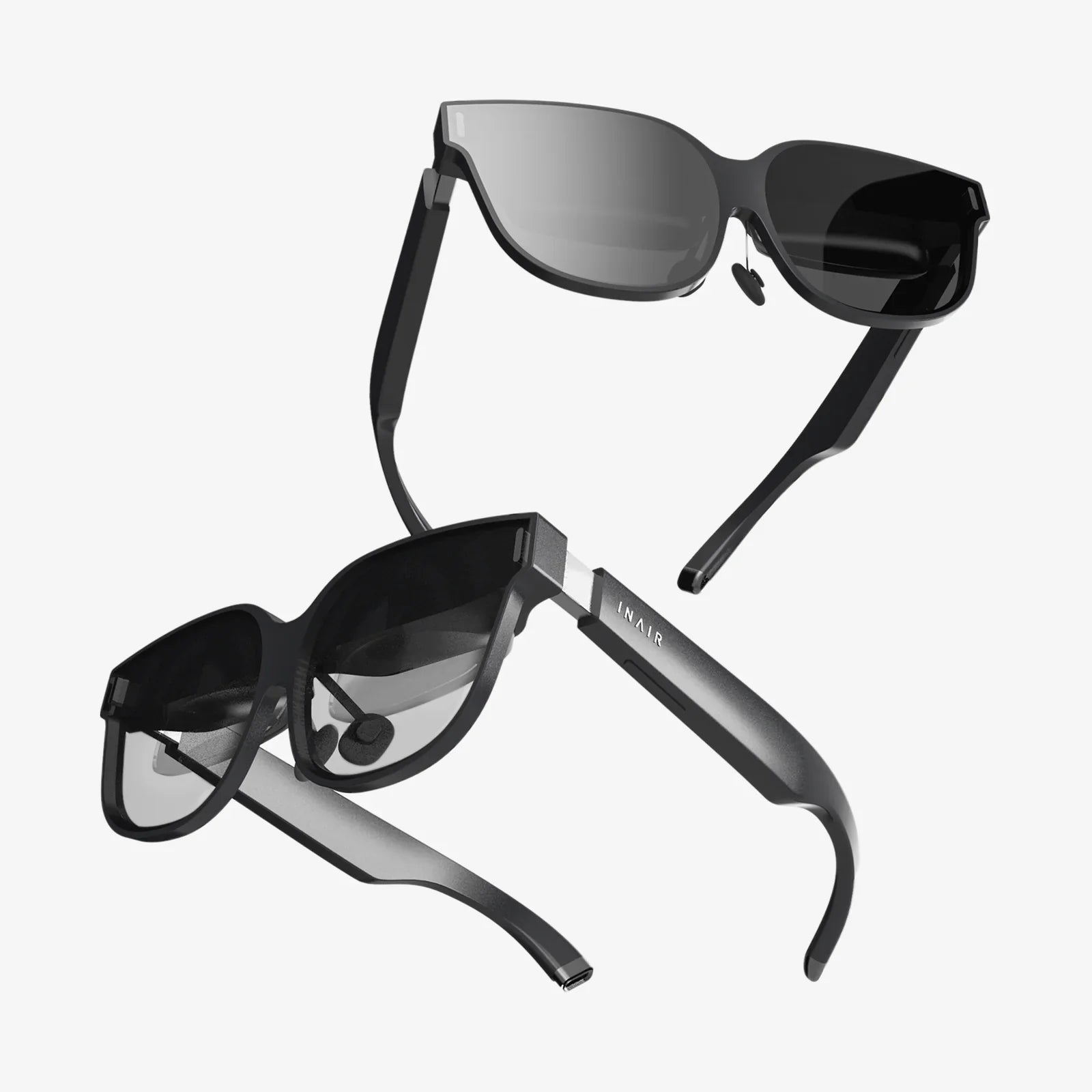
The sleek device on your wrist buzzes, a silent testament to your commitment to health. It tracks your steps, monitors your sleep, and even whispers reminders to breathe. But beneath its polished facade lies a complex web of sensors, radios, and data algorithms, raising a critical, often unasked question: is this constant digital companion a guardian of your well-being or a potential Trojan horse? The allure of quantified self is undeniable, but the safety of wearable technology extends far beyond the physical device, delving into the very sanctity of our biological data and personal privacy. The journey to an answer is not a simple yes or no, but a deep exploration of the multifaceted risks and the powerful rewards that define this technological revolution.
The Spectrum of Wearable Technology
Before dissecting the safety concerns, it's crucial to understand the vast ecosystem we're discussing. Wearable technology, or wearables, encompasses a broad range of electronic devices designed to be worn on the body. They are not monolithic; their form, function, and consequently, their potential risks, vary dramatically.
On one end, we have consumer health and fitness trackers. These are the ubiquitous wrist-worn bands and smartwatches that monitor activity levels, heart rate, and sleep patterns. They are designed for mass-market adoption and general wellness.
Then there are more advanced medical and clinical-grade wearables. These devices, often prescribed or recommended by healthcare providers, can continuously monitor vital signs like electrocardiogram (ECG), blood glucose levels, blood pressure, and oxygen saturation. Their data is frequently used to manage chronic conditions like diabetes, cardiac arrhythmias, and hypertension, making their accuracy and reliability a matter of profound importance.
Beyond these, the category also includes smart glasses, hearables (smart headphones with biometric sensors), and even smart clothing embedded with conductive fibers. Each type interacts with the user's body and environment in unique ways, presenting a distinct safety profile.
Physical and Biological Safety: The Body Electric
The most immediate safety concerns are physical. What is the effect of having a source of energy and radiation in constant contact with our skin?
Radiofrequency Radiation and EMF Exposure
The primary source of anxiety for many users is exposure to electromagnetic fields (EMF), specifically radiofrequency (RF) radiation emitted by the Bluetooth and Wi-Fi antennas in these devices. The scientific consensus, as reflected by major bodies like the U.S. Food and Drug Administration (FDA) and the World Health Organization (WHO), is that the low-level RF radiation from consumer wearables is non-ionizing and does not carry enough energy to damage DNA or cells directly, unlike the high-energy radiation from X-rays or UV light.
However, the long-term, cumulative effects of having multiple low-power RF sources on and around our bodies 24/7 are not yet fully understood. Some studies suggest potential biological effects at the cellular level, though these findings are often contested and have not been conclusively proven to cause harm in humans. Regulatory agencies set Specific Absorption Rate (SAR) limits—a measure of the rate at which energy is absorbed by the body—for all devices, and manufacturers must comply. For the average user, the current evidence suggests the risk from RF exposure is exceedingly low, but it remains an area of active research and, for some, personal caution.
Skin Irritation and Allergic Reactions
A more common and proven physical issue is contact dermatitis. The materials used in wristbands, often silicone, rubber, or leather, can trap moisture, sweat, and bacteria against the skin, leading to rashes, itching, and irritation. Some devices also contain nickel, a common allergen. The solution here is often simple: maintain good hygiene by regularly cleaning the device and your skin, and ensure the band is not too tight. Some manufacturers offer hypoallergenic band options to mitigate this risk.
Accuracy and Medical Reliance
Perhaps the most significant physical safety risk lies not in radiation, but in data inaccuracy. While consumer wearables are excellent for providing general trends and motivation, they are not infallible medical devices. Relying on a consumer-grade heart rate monitor for critical medical decisions could be dangerous. For instance, a false normal reading could delay someone from seeking necessary medical attention for a heart condition.
This is why the distinction between wellness and medical devices is paramount. Regulated medical devices undergo rigorous testing and certification processes (like FDA clearance in the United States) to prove their accuracy and reliability for specific clinical purposes. The onus is on the user to understand the limitations of their device and to never use data from a consumer wearable to diagnose or treat a medical condition without consulting a healthcare professional.
The Data Dilemma: Privacy and Security in the Palm of Your Hand
If the physical risks are largely manageable, the digital risks are where the safety conversation becomes profoundly complex. Your wearable is a data-generating machine, and that data is incredibly intimate.
The Unprecedented Intimacy of Biometric Data
Think about what your wearable knows. It doesn't just know your name and email; it knows your body. It knows your resting heart rate, a key indicator of fitness and stress. It knows your sleep architecture—when you're in deep sleep, REM sleep, or awake. It can infer your location patterns, your activity habits, and even, with advanced sensors, your blood oxygen levels and electrodermal activity (a measure of stress).
This is a category of data far more sensitive than a password or a credit card number. A password can be changed; your unique physiological patterns are immutable. This creates a treasure trove for malicious actors. In the wrong hands, this data could be used for:
- Insurance and Employment Discrimination: Could a health insurance company charge higher premiums if data suggests you have a sedentary lifestyle or poor sleep? Could an employer make hiring or promotion decisions based on predicted health risks?
- Targeted Scams and Social Engineering: Knowing a person's daily routine, sleep schedule, and stress levels could make phishing attempts remarkably effective.
- Identity Theft: Biometric data could become a new form of identifier, and unlike a password, you cannot reset your heartbeat.
How Your Data is Collected, Used, and Shared
The business model of many wearable companies often involves the aggregation and anonymization of user data. This data is then used to improve algorithms, sold to third-party partners for research, or used for targeted advertising. While data is typically "anonymized," researchers have repeatedly demonstrated that it's surprisingly easy to de-anonymize data sets by cross-referencing them with other available information.
The privacy policies governing this data collection are often long, complex, and rarely read by users. Most people click "Agree" without understanding they are granting permission to collect, store, and share the most intimate details of their physical existence.
The Security Vulnerabilities
Any device connected to the internet is a potential entry point for hackers. Wearables are no exception. A vulnerability could allow an attacker to:
- Intercept the data being transmitted from the device to your smartphone.
- Gain access to the connected smartphone itself.
- In the case of medical devices like insulin pumps or pacemakers, theoretically manipulate their function—a frightening prospect that cybersecurity researchers take very seriously, prompting increased scrutiny and security measures in the medical device industry.
Manufacturers have a responsibility to provide regular security patches and updates, but users must also be vigilant in installing them promptly.
Psychological and Social Implications
Safety isn't solely a physical or digital concept; it also encompasses mental well-being. The constant feedback loop provided by wearables can have a double-edged effect.
Anxiety and Orthosomnia
For some, the pursuit of perfect data can lead to unhealthy obsession. A new term, "orthosomnia," has been coined by sleep researchers to describe the anxiety and preoccupation with achieving perfect sleep scores, as dictated by a tracker. When the device reports a poor night's sleep, it can create a self-fulfilling prophecy of anxiety about sleep, which in turn makes good sleep harder to achieve. Similarly, missing a daily step goal can lead to feelings of failure and guilt, turning a tool for motivation into a source of stress.
The Quantified Self vs. The Experiential Self
There's a philosophical debate about what we sacrifice when we overly rely on data. Does constantly tracking a hike—focusing on heart rate zones and elevation gain—detract from the simple joy of being in nature? Wearables can sometimes mediate our experiences, inserting a layer of data between us and the physical world. The safest approach may be a balanced one: using the data as a guide, not a gospel, and knowing when to take the device off and simply live in the moment.
Navigating the Risks: A User's Guide to Safer Wearable Use
Given these risks, how can one use wearable technology safely and responsibly? Informed use is the key to mitigation.
- Read the Privacy Policy: Before you buy, take time to understand what data the device collects and, crucially, what the company does with it. Look for companies that are transparent about their data practices and offer clear opt-out options for data sharing.
- Fortify Your Accounts: Use strong, unique passwords for your wearable and associated accounts. Enable two-factor authentication (2FA) wherever possible to add an extra layer of security.
- Review App Permissions: Regularly check what permissions the companion app has on your phone. Does it really need access to your contacts or location?
- Update Religiously: Install firmware and software updates as soon as they become available. These updates often contain critical security patches.
- Practice Physical Hygiene: Clean your device and your skin regularly to prevent irritation. Take it off occasionally to let your skin breathe.
- Listen to Your Body, Not Just the Device: If you feel unwell, don't ignore your symptoms because your wearable shows a normal reading. Use the data as one piece of a larger puzzle, not the sole authority on your health.
- Know When to Disconnect: It's healthy to take breaks. Leave your wearable on the charger for a weekend and reconnect with the unquantified world.
The Path Forward: Regulation and Ethical Design
Ultimately, the burden of safety cannot rest on users alone. Stronger regulation and ethical design principles from the industry are imperative.
Regulatory frameworks like Europe's General Data Protection Regulation (GDPR) and California's Consumer Privacy Act (CCPA) are steps in the right direction, giving users more control over their personal data. However, laws often lag behind technology. There is a growing call for specific regulations governing biometric data, treating it with the special protection its sensitivity demands.
Manufacturers must adopt a "privacy by design" and "security by design" ethos. This means building devices with data minimization (collecting only what is necessary), end-to-end encryption, and transparent user controls from the very beginning, not as an afterthought. The industry must also invest in long-term studies on the health effects of chronic low-level EMF exposure to provide definitive answers and ensure public confidence.
The true safety of wearable technology will be determined by this triad: an informed and vigilant user base, a responsible and ethical industry, and a robust and adaptive regulatory environment.
So, the next time your wrist buzzes with a notification, see it not just as a prompt to move, but as an invitation to be more conscious. The power to harness this technology for good, to improve our health and understand our bodies, is undeniably within our grasp. The data it offers can be a compass, guiding us toward better choices. But that compass must be read with a critical eye and a clear understanding of the map it's drawing—a map that details not only our physical terrain but the very contours of our digital selves. The future of wearables is not about abandoning these devices; it's about embracing them wisely, with our eyes wide open to both their brilliant light and their potential shadows, ensuring that the technology meant to serve us never ends up ruling us.
Share:
AR Glasses and World of Warcraft: The Future of Immersive Gaming is Here
Person Wearing VR Goggles: The Ultimate Portal to New Realities