


- by wangfred
Person Wearing VR Goggles: The Ultimate Portal to New Realities
- by wangfred
The image is instantly recognizable, almost iconic: a person wearing VR goggles, their physical form tethered to our world while their consciousness voyages across digital frontiers. To the outside observer, it’s a solitary figure, perhaps even a comical one, swatting at invisible objects or staring in awe at a void. But within the confines of those headsets lies a revolution—a complete and total re-imagining of human experience. This is not merely about playing a game or watching a video; it’s about crossing a threshold. It is the ultimate act of immersion, a portal that is rapidly dissolving the barriers between the digital and the physical, and in doing so, is reshaping everything from how we work and learn to how we connect and empathize. The journey of the person behind the lenses is a story of technological triumph, profound potential, and unanswered questions about our future.
The moment a person dons a VR headset, a complex ballet of technology and biology begins. The bulky goggles are, in reality, a sophisticated array of engineering marvels designed to trick the most powerful processor we know: the human brain.
High-resolution displays are positioned mere centimeters from the eyes, filling the entire field of view. Inside-out or external sensors track the slightest movement of the head—a tilt, a nod, a sudden turn—recalculating the entire visual field in milliseconds to maintain the illusion. This is the critical fight against latency; a delay of even a few dozen milliseconds can break the spell of presence, that magical feeling of actually being in the virtual space, and can lead to the dreaded simulator sickness.
But the experience is no longer purely visual. Advanced haptic feedback controllers translate digital interactions into physical sensations. A user can feel the weight of a virtual object, the recoil of a tool, or the texture of a surface. Spatial audio completes the picture, with sound waves engineered to seem as if they are emanating from specific points in the 3D environment, making a whisper behind your left ear feel startlingly real. This multi-sensory assault on the senses is what separates VR from any media that has come before it. It’s not something you watch; it’s something you inhabit.
While gaming remains a primary driver of consumer adoption, the applications for a person wearing VR goggles extend far beyond entertainment, penetrating the core pillars of modern society.
Imagine a medical student, not just reading about human anatomy, but performing a dissection on a hyper-realistic, virtual cadaver, able to make mistakes without consequence. Envision a trainee mechanic able to practice repairs on a detailed simulation of a jet engine, or a retail worker managing a virtual crowd during a Black Friday sale. VR provides a safe, scalable, and incredibly effective platform for experiential learning. The muscle memory and cognitive pathways formed in these immersive environments are proven to be stronger and more durable than those from traditional learning methods.
Architects and engineers are now stepping inside their blueprints and 2D designs. A person wearing VR goggles can walk through a building that hasn’t been constructed yet, assessing sightlines, space, and potential design flaws long before the first brick is laid. Remote collaboration is also being redefined. Instead of a grid of faces on a video call, teams from across the globe can meet as lifelike avatars in a shared virtual boardroom, interacting with 3D models of their projects as if they were physically present. This has profound implications for reducing travel, accelerating design cycles, and fostering a new level of creative synergy.
Perhaps one of the most powerful uses of VR is in the field of mental health and empathy building. Therapists are using controlled virtual environments to treat phobias—like a fear of heights or public speaking—by gradually and safely exposing patients to their triggers. It is also being used to manage pain, distract patients during painful procedures, and treat PTSD through exposure therapy.
Furthermore, VR is a powerful engine for empathy. Journalists and non-profits are creating immersive experiences that allow a person to step into the shoes of a refugee fleeing a conflict zone, or a person facing racial discrimination. This visceral, first-person perspective can foster a depth of understanding that articles and documentaries struggle to achieve.
This technology presents a fascinating paradox. A person wearing VR goggles is often physically alone, yet they can be profoundly connected to others in a virtual space. Social VR platforms are bustling digital townsquares where people meet, chat, play games, and attend events like concerts and movie nights. For individuals with mobility issues, social anxiety, or those who are geographically isolated, these spaces can be a lifeline, offering a sense of community and belonging that is otherwise difficult to find.
However, this raises critical questions. If our virtual lives become richer and more fulfilling than our physical reality, what becomes of our tangible relationships and our connection to the offline world? The risk of using VR as an escape from life’s challenges is real. The long-term psychological effects of consistently choosing a curated digital existence over an imperfect physical one are still unknown. The challenge for society will be to harness the connective power of these platforms while mitigating the potential for isolation and alienation.
The path forward for virtual reality is not without its obstacles. As the technology becomes more pervasive, several significant challenges must be addressed.
Privacy and Data Security: A VR headset is arguably the most intimate data-collection device ever created. It doesn’t just know what you look at; it knows how you move, where you hesitate, where your pupils dilate in interest or fear, and the nuances of your social interactions. The potential for this biometric data to be mined, sold, or exploited is a massive privacy concern that requires robust ethical frameworks and legislation.
Physical Side Effects: For all its wonder, VR can have physical side effects. Cybersickness—a form of motion sickness caused by a disconnect between what the eyes see and what the body feels—still affects a significant portion of users. Extended use can also lead to eye strain, headaches, and even a temporary disconnect from reality upon removing the headset, often called the "VR hangover."
The Accessibility Gap: High-quality VR requires powerful computing hardware and a relatively expensive headset, creating a significant financial barrier to entry. Ensuring that the benefits of this transformative technology do not become the privilege of the wealthy is a crucial hurdle for developers and policymakers.
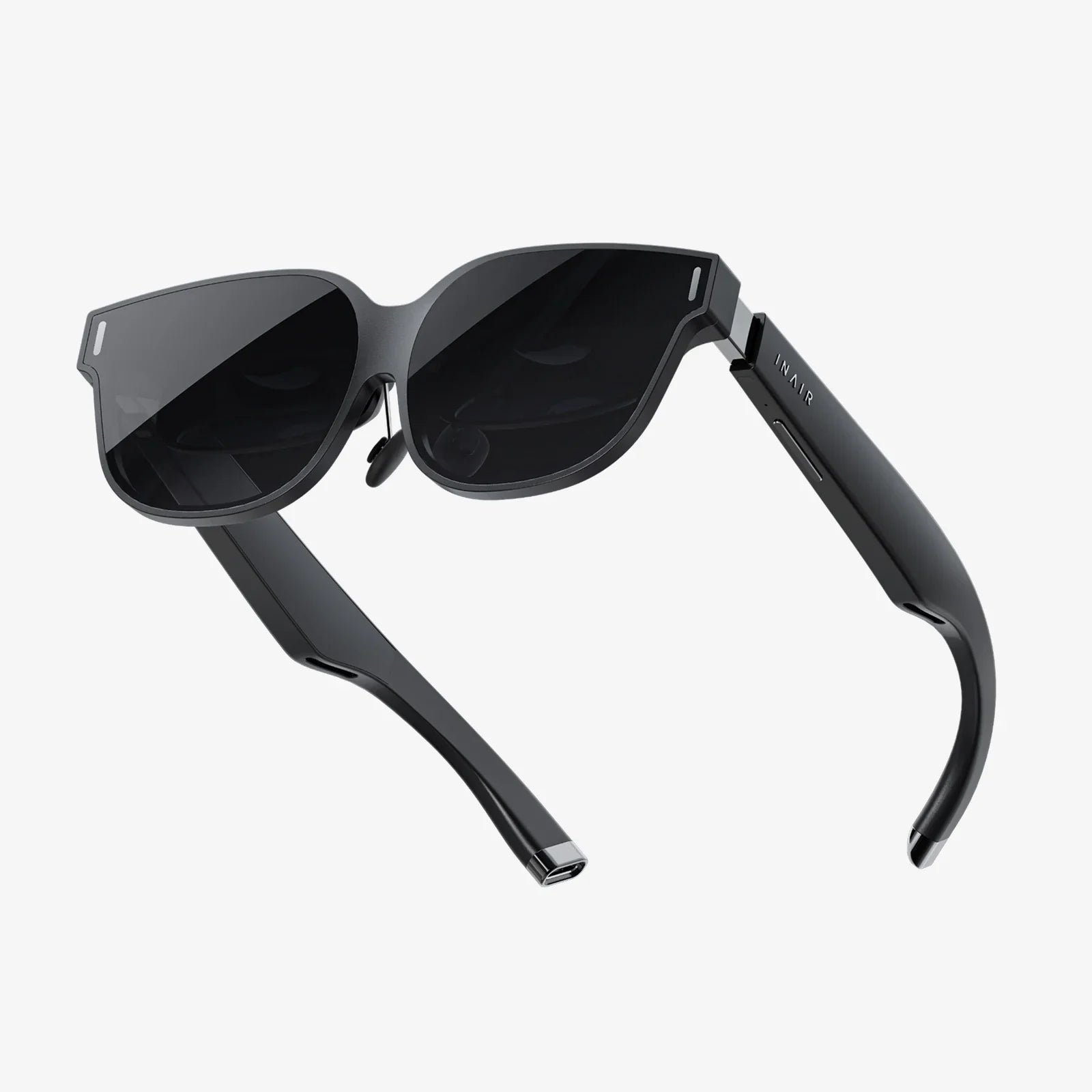
The journey of the person wearing VR goggles is just beginning. The current generation of headsets, while impressive, is a stepping stone. The future points toward miniaturization and integration. We are moving toward sleek, lightweight glasses that will eventually be as socially acceptable as sunglasses. Haptic technology will evolve from simple vibrations to full-body suits that can simulate touch, temperature, and resistance.
Beyond hardware, the software and experiences will become infinitely more complex, powered by artificial intelligence. AI will generate dynamic, responsive worlds that adapt to the user's emotions and choices in real-time, creating truly personal and unscripted narratives. The line between creator and consumer will blur as tools for building in VR become more accessible, leading to a explosion of user-generated content and worlds.
The ultimate destination is a seamless blend of our physical and digital lives, an concept often referred to as the metaverse. In this future, the act of putting on a headset may vanish altogether, replaced by brain-computer interfaces or augmented reality overlays that integrate digital information directly into our perception of the real world.
The person wearing VR goggles today is a pioneer on the edge of this new frontier. They are not just a user of a new gadget; they are an active participant in a fundamental shift in human-computer interaction. They are testing the limits of perception, challenging our definitions of reality, and building the social norms for a world that is only just coming into being. Their experience—fraught with both wonder and uncertainty—offers us a glimpse of a future where our only limit is the breadth of our imagination. The next time you see that solitary figure, know that they are not just playing a game; they are stepping into the next chapter of our collective story, and the view from there is nothing short of extraordinary.