


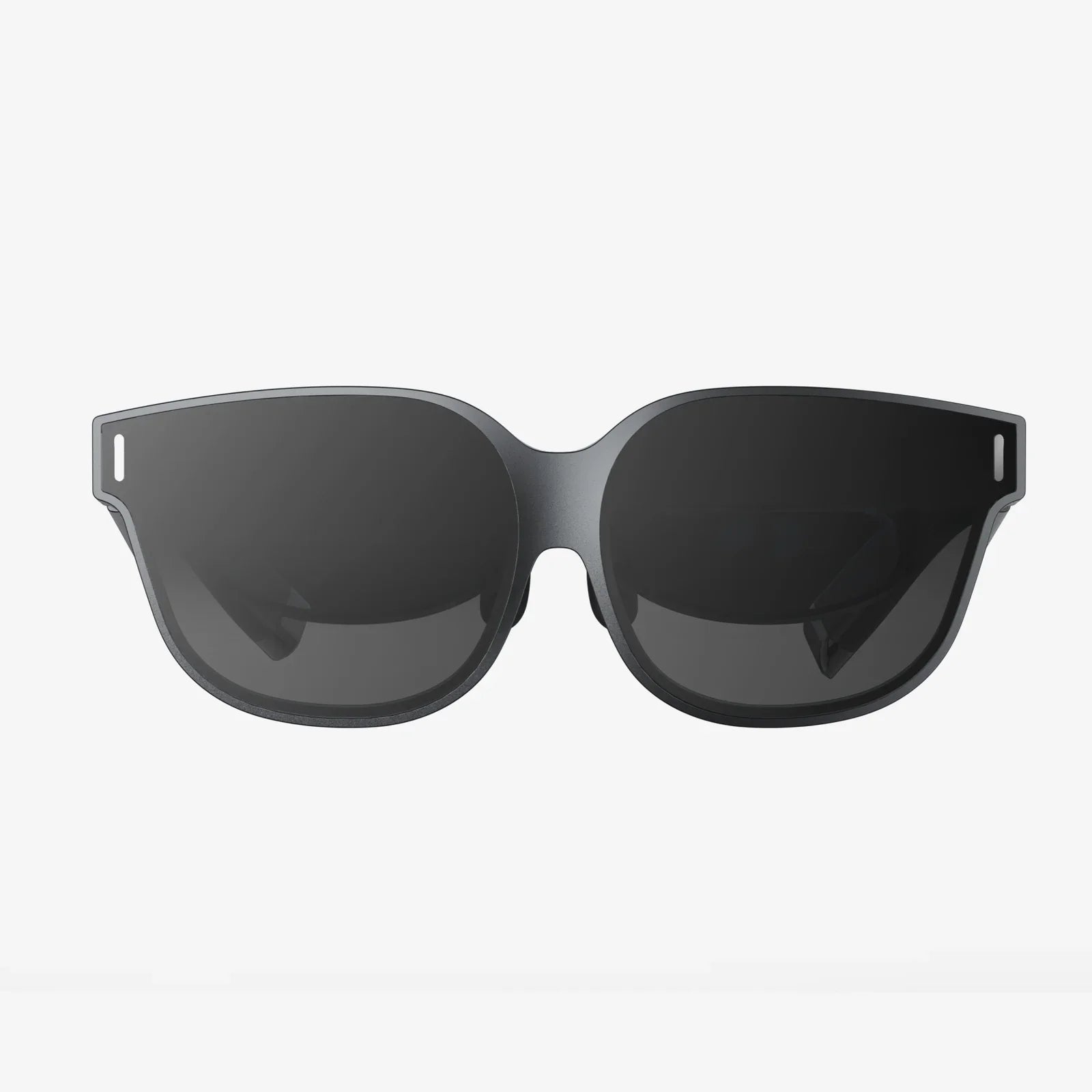
Imagine walking through the ancient streets of Kyoto, where digital ghosts of geishas from centuries past flutter down alleyways, or standing before a ruined castle wall and seeing its former glory reconstructed before your eyes. This is not a scene from a distant future but a tangible present, being engineered today through the lens of Japan's pioneering augmented reality glasses. The nation that brought the world transformative electronics and beloved cultural icons is now quietly assembling the components for an AR revolution that promises to seamlessly blend the digital and physical in ways previously confined to anime and science fiction.
The Cultural and Technological Bedrock
To understand Japan's unique approach to augmented reality hardware, one must first appreciate the deep cultural and technological foundations upon which it is built. The concept of merging realities is not new here; it is deeply embedded in the national psyche through Shinto beliefs, where spirits (kami) inhabit the natural world, and in art forms like ukiyo-e, the "pictures of the floating world." This historical comfort with layered realities provides a fertile ground for AR technology to flourish not just as a tool, but as a new medium for cultural expression.
Technologically, Japan's legacy in miniaturization, precision optics, and consumer electronics is unparalleled. For decades, the country's manufacturing prowess has dominated global markets with cameras, displays, and sensors—the very components that form the heart of any AR glasses system. This expertise allows for the creation of devices that are not only powerful but also incredibly lightweight, comfortable for extended wear, and aesthetically considered, a critical factor for mass adoption that is often overlooked elsewhere.
Beyond Gaming: A Society-Wide Application
While much of the Western world's focus for AR has been on gaming and entertainment, Japan's vision is markedly broader and more integrated. The development of AR glasses is being driven by a pressing need to address systemic societal challenges, positioning the technology as a pragmatic solution rather than a mere novelty.
Revolutionizing Tourism and Cultural Heritage
With a rich historical tapestry and a tourism industry that is a critical part of the economy, Japan is leveraging AR to create deeply immersive experiences. Prototypes allow visitors to view historical sites with digital overlays that reconstruct ruins, translate ancient texts in real-time, and provide context through interactive, life-sized historical figures. This application transforms passive observation into an active, educational journey, preserving culture while making it accessible to a global audience without physical alteration to precious heritage sites.
Addressing an Aging Population and Labor Shortages
Perhaps the most profound application is in the realm of eldercare and workforce support. Japan's rapidly aging society and shrinking workforce have created an urgent need for efficiency-boosting tools. AR glasses are being tested in nursing homes, where they can provide caregivers with real-time patient data, medication reminders, and step-by-step guidance for complex procedures, reducing errors and stress. In manufacturing and logistics, they are becoming the ultimate hands-free manual, overlaying assembly instructions, inventory locations, and quality control checks directly onto a worker's field of view, dramatically accelerating training and improving accuracy for an increasingly inexperienced workforce.
Redefining Retail and Remote Collaboration
In retail, AR glasses enable virtual try-ons for clothing and accessories, or allow customers to see how furniture would look in their home before purchasing. For a culture that values meticulous service and presentation, this enhances the customer experience without compromising on quality. Furthermore, in a post-pandemic world that has embraced remote work, Japanese developers are creating AR meeting spaces where holographic avatars of colleagues can interact with 3D models and data visualizations as if they were in the same room, preserving the nuanced, non-verbal communication so important in Japanese business culture.
The Form Factor: Where Technology Meets Wa
A critical differentiator for Japanese AR glasses is the intense focus on design and social acceptability, known as "wa" (harmony). Developers understand that a clunky, obtrusive device will never achieve seamless integration into daily life. Consequently, significant R&D investment is channeled into creating frames that are indistinguishable from high-end fashion eyewear. This involves breakthroughs in waveguide technology to make transparent lenses that project vivid images, and the development of ultra-low-power micro-displays and processors that eliminate the need for bulky batteries, distributing weight evenly for all-day comfort.
Navigating the Challenges: Privacy and the Social Gaze
The path forward is not without its obstacles. The concept of privacy, particularly in a dense urban environment like Tokyo, is paramount. The always-on, recording-capable nature of wearable technology raises significant concerns about data security and social etiquette. Japanese firms are at the forefront of addressing these issues, developing clear physical indicators like LED lights to show when recording is active, and implementing robust data anonymization protocols. The cultural concept of "meiwaku" (causing a nuisance to others) is a powerful design constraint, pushing innovation towards discreet, respectful, and non-intrusive user interactions.
A Collaborative Ecosystem for Innovation
Unlike the siloed approaches seen in other regions, Japan's AR development is characterized by a unique collaborative ecosystem. Established electronics giants are partnering with renowned anime studios, game developers, academic research institutes, and even traditional cultural authorities like museums and temples. This convergence of content, hardware, and cultural access creates a powerful flywheel, ensuring that the software experiences are as compelling and authentic as the hardware is advanced. National government initiatives also provide support, recognizing AR as a key strategic technology for sustaining economic and cultural influence in the 21st century.
The view through Japan's AR glasses reveals more than just digital information; it offers a glimpse into a future where technology serves humanity with elegance and profound purpose. It’s a future where the boundary between the digital and the real doesn't just blur—it disappears entirely, creating a world richer in understanding, connection, and possibility. The next time you see someone gazing intently through a pair of stylish frames on the streets of Shinjuku, they might not be just looking at the world as it is, but as it was, as it could be, and as it truly is, all at once.
Share:
Top 10 AI Tools for Business: Revolutionize Operations and Drive Growth
Introduction to Augmented Reality and Virtual Reality: A Journey into the Digital Frontier