


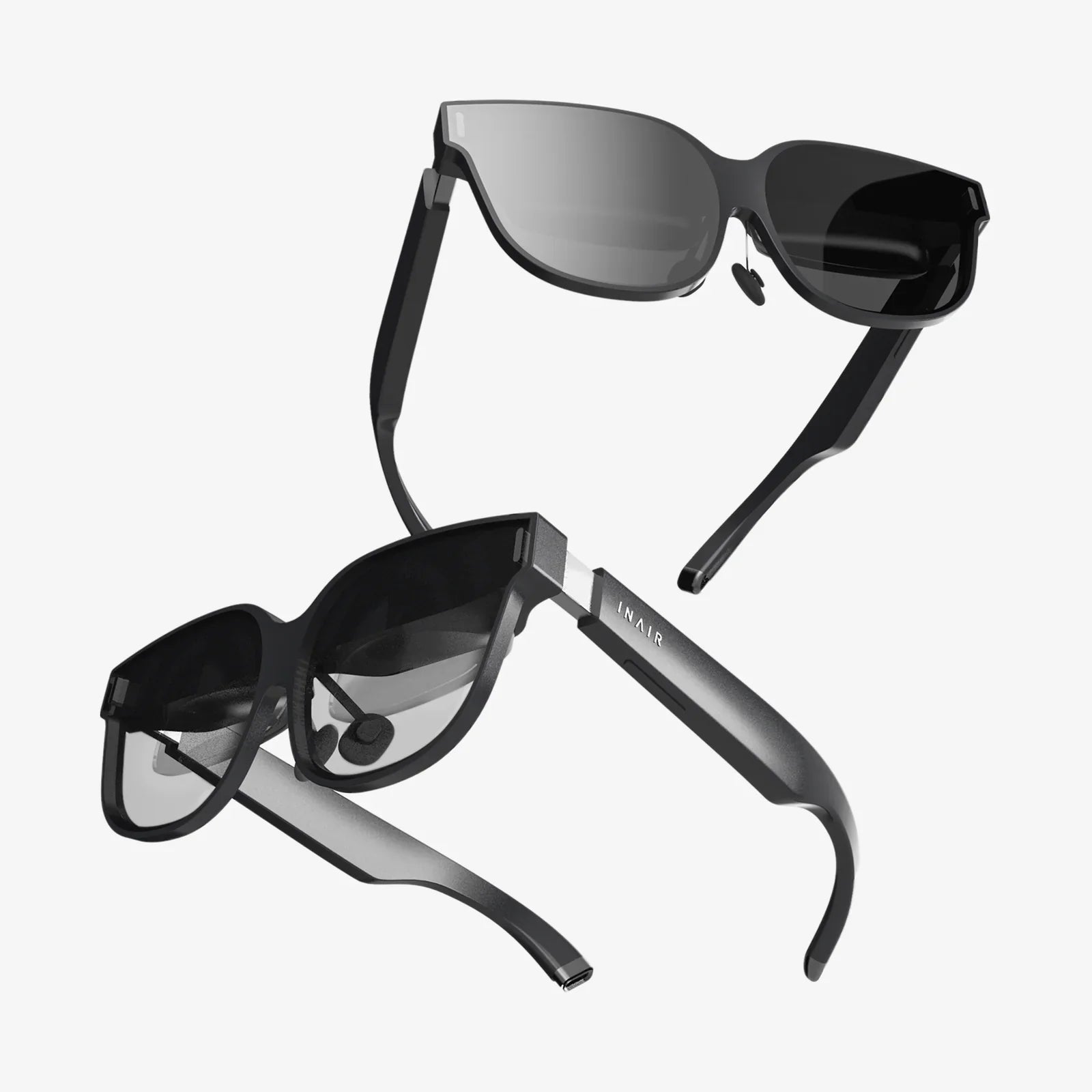
Imagine slipping on a pair of glasses that not only corrects your vision but fundamentally enhances your perception of reality, connecting you to a seamless stream of information, communication, and computational power. This is the promise of AI glasses, a wearable technology poised to transition from science fiction to everyday reality. Yet, the true test of this revolutionary technology lies not in its initial launch, but in its enduring relevance. The ability to keep these sophisticated devices current, secure, and valuable over years of use is the unseen challenge that will ultimately determine their success or failure in the consumer market.
The Foundation: Hardware That Can Evolve
Unlike a simple pair of spectacles, AI glasses are a complex symphony of miniaturized components. The core challenge of keeping them current begins with the physical hardware itself. A device built with fixed, non-upgradable components is destined for obsolescence. Therefore, forward-thinking design is paramount.
Manufacturers must adopt a modular philosophy. This could involve user-accessible components like a central processing unit (CPU) or neural processing unit (NPU) module that can be slid out and replaced with a newer, more powerful version every few years, much like upgrading a smartphone but on a smaller scale. This approach extends the functional lifespan of the entire device, preventing the frame, lenses, and high-quality displays from becoming prematurely obsolete.
Furthermore, the sensors—the eyes and ears of the glasses—must be chosen for their longevity and potential. High-resolution cameras, depth sensors, microphones, and inertial measurement units (IMUs) need to be robust enough to handle future software demands. Designing for connectivity is equally crucial. Support for the latest wireless protocols, from Wi-Fi and Bluetooth to eventual 5G/6G mmWave integration, ensures the glasses can maintain a high-bandwidth, low-latency connection to the cloud and other devices, which is the lifeblood of their AI functionalities.
The Lifeline: Continuous and Intelligent Software Updates
If hardware is the skeleton, software is the ever-evolving mind. A stagnant operating system is a death sentence for a connected device. Keeping AI glasses current is fundamentally a software challenge, requiring a commitment to continuous, seamless updates.
These updates transcend simple bug fixes. They must deliver new features, refine existing ones, and crucially, patch security vulnerabilities. The update process itself must be effortless and non-disruptive, ideally occurring overnight or during periods of inactivity. Users will not tolerate frequent, cumbersome updates that interrupt their daily use.
More importantly, the software must be capable of learning and adapting. Machine learning models that power features like real-time translation, object recognition, or contextual information retrieval are not static. They improve with more data and more sophisticated algorithms. Over-the-air updates must regularly deploy these refined models, making the user's experience smarter and more accurate over time without any conscious effort on their part. This creates a device that genuinely grows with its owner.
The Engine: The Symbiotic Role of Data and Cloud Computing
The intelligence of AI glasses does not reside solely within the frames on your face. A significant portion of the heavy computational lifting will occur in the cloud. This symbiotic relationship is key to keeping the devices current. The glasses act as a sophisticated interface, collecting sensory data, while powerful cloud servers run complex AI analyses and return actionable insights in near-real-time.
This cloud-centric model offers a powerful path to longevity. It allows developers to introduce entirely new capabilities that the onboard hardware might not have been originally designed to handle. A new augmented reality game, a advanced health monitoring feature, or a novel navigation aid can be delivered via the cloud, instantly expanding the glasses' functionality without a hardware change.
However, this reliance introduces its own challenges. It requires a persistent and high-quality internet connection. It also raises significant questions about data privacy, latency, and reliability. Furthermore, if a manufacturer's cloud services are discontinued, the glasses could be rendered largely useless, a fate that has befallen other connected devices. A balanced approach, with robust on-device processing for core tasks and cloud augmentation for advanced features, is likely the most sustainable model.
The Battleground: Security and Privacy in a Perpetually Connected World
A device that sees what you see and hears what you hear is a privacy advocate's nightmare. Keeping AI glasses current is inextricably linked to keeping them secure. A vulnerability in such an intimate device is not just an inconvenience; it's a profound breach of personal space.
Manufacturers must implement a rigorous and transparent security update policy. This means promptly addressing vulnerabilities as they are discovered and being clear with users about the measures taken to protect their data. Features like hardware-level kill switches for cameras and microphones, end-to-end encryption for all stored and transmitted data, and robust user authentication (potentially using biometrics like iris recognition) are not premium extras; they are absolute necessities.
The ethical obligation extends beyond code. Companies must be clear about what data is collected, how it is used to improve the service, and who has access to it. Building and maintaining user trust is the most critical component of keeping this technology viable in the long term. A single major privacy scandal could halt the entire industry's progress.
The Ecosystem: Integration and Interoperability
No device is an island, especially one designed to be a central hub for personal technology. The long-term value of AI glasses is magnified by their ability to connect and communicate with other devices in a user's ecosystem—their smartphone, smartwatch, laptop, smart home devices, and even their car.
Keeping the glasses current requires maintaining and expanding these connections. As new devices and new communication standards emerge, the glasses must be updated to support them. This could mean new software integrations that allow the glasses to control a wider array of smart home products or display information from a vehicle's dashboard.
Adherence to open standards, rather than walled-garden proprietary protocols, will foster a richer ecosystem and prevent the glasses from becoming isolated. A device that can seamlessly work with technology from various manufacturers is far more future-proof than one locked into a single brand's orbit.
The Human Factor: User Experience and the Battle Against Obsolescence
Finally, keeping AI glasses current is a human-centered challenge. Technological updates are meaningless if the user experience deteriorates or fails to evolve. The interface—how users interact with and command their glasses—must be intuitive, effortless, and constantly refined based on user feedback.
This involves refining voice assistant responsiveness, streamlining gesture controls, and personalizing the flow of information to avoid overwhelming the user. Companies must actively engage with their user community to understand pain points and desired features, turning that feedback into tangible improvements delivered through updates.
Ultimately, the battle against obsolescence is won by delivering continuous, perceivable value. Users need to feel that their device is getting better, smarter, and more integrated into their lives with each passing month. When this happens, the glasses transition from being a purchased product to an indispensable, evolving service that the user is invested in maintaining.
The journey of AI glasses is just beginning, but their destiny will be written not at launch, but in the years of updates and evolution that follow. The companies that succeed will be those that view their product not as a static piece of hardware, but as a living, breathing platform—one that learns, adapts, and grows alongside the person wearing it. The race to perfect this technology is already underway, and the ultimate winner will be the user, equipped with a tool that forever changes their relationship with the digital world.
Share:
Limitations of Augmented Reality: The Hidden Barriers to a Digital Overlay
Augmented Reality Marketing Ideas: The Ultimate Guide to Captivating Your Audience