


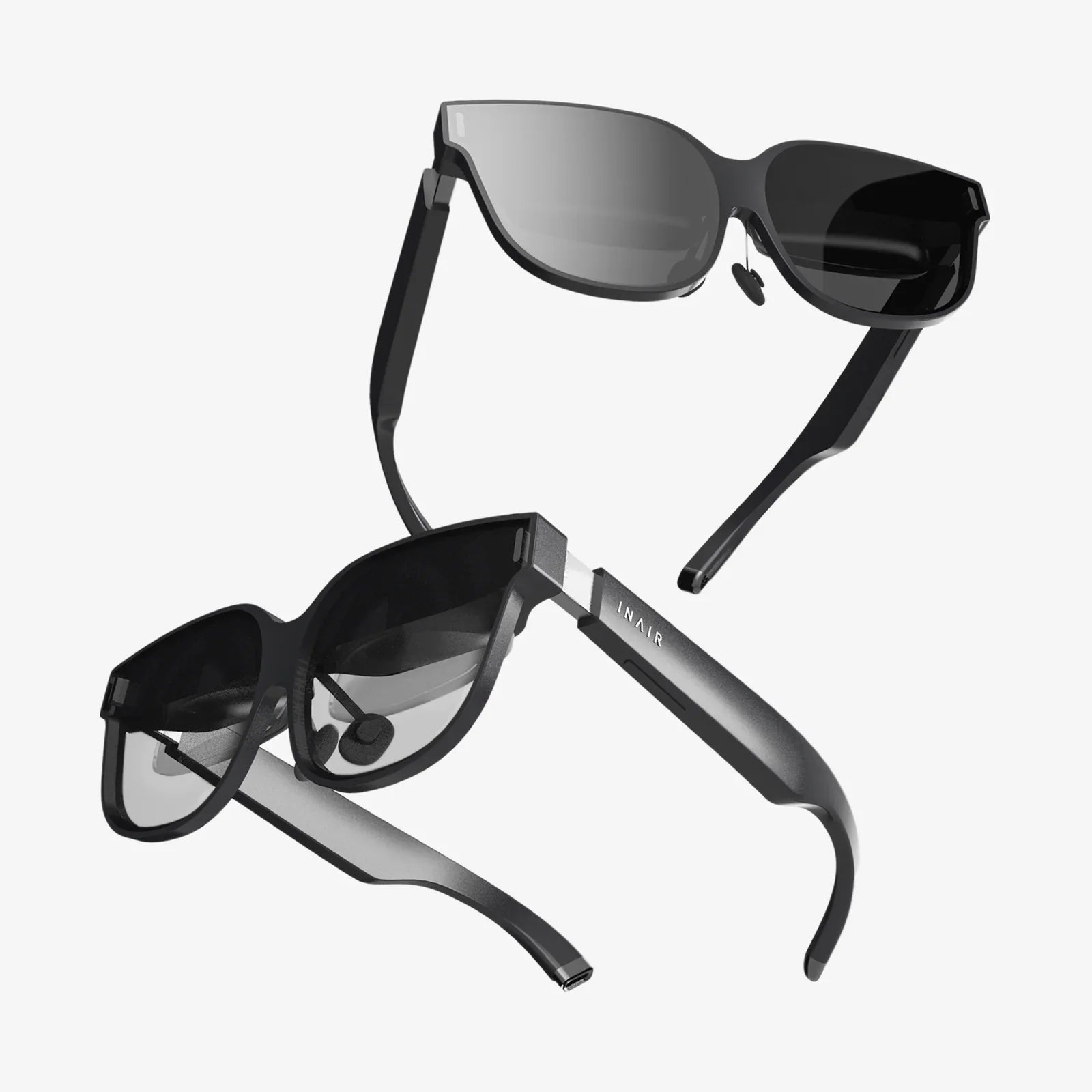
- by wangfred
Laptop Glasses: The Essential Guide to Protecting Your Eyes in the Digital Age
- by wangfred
You’ve felt it after a long day: the gritty, tired sensation behind your eyes, the dull headache settling in your temples, the struggle to focus. It’s the physical cost of our digital lives, a silent tax levied by the screens that dominate our work and leisure. But what if a simple, elegant solution sat right on the bridge of your nose? This isn't about a fleeting trend; it's about understanding a powerful tool for modern wellness. The journey into the world of laptop glasses is a journey toward reclaiming comfort, clarity, and control over your visual health in an increasingly pixelated world.
Before we can appreciate the solution, we must first diagnose the problem with precision. Digital Eye Strain (DES), also frequently referred to as Computer Vision Syndrome, is a complex of eye and vision-related problems that result from prolonged use of digital devices. It's not an isolated issue; studies suggest that a significant majority of individuals who use computers for more than two hours daily experience some symptoms of DES.
The root causes are multifaceted. Firstly, there is the issue of blue light. High-energy visible (HEV) blue light is a short-wavelength, high-energy light emitted in large quantities by LEDs, which are the backbone of modern screens. Unlike UV light, which is mostly blocked by the cornea and lens, blue light penetrates all the way to the retina. While natural blue light from the sun is crucial for regulating our circadian rhythm, the concentrated, close-range, and prolonged exposure from artificial sources is a relatively new phenomenon for our eyes.
Secondly, our behavior in front of screens exacerbates the problem. When working on a laptop, we tend to blink less frequently—up to 66% less, according to some research. Blinking is essential for spreading hydrating tears across the surface of the eye. Reduced blinking leads to faster tear evaporation, resulting in dry, irritated eyes. Furthermore, the constant effort required to maintain focus on a fixed-distance, high-contrast pixelated screen places a sustained burden on the ciliary muscles inside the eye, leading to fatigue and difficulty refocusing on distant objects after prolonged screen use.
Laptop glasses are not a one-trick pony; they are sophisticated optical instruments designed to address the multiple facets of Digital Eye Strain. They are not reading glasses, nor are they necessarily for those with standard vision correction needs. They are a specialized category of eyewear built for a specific, modern task.
The primary technological feature is the blue light filtering lens. This is achieved through one of two methods: a subtle tint or a clear coating. A tinted lens, often with a light yellow, amber, or rose hue, absorbs a portion of blue light before it reaches the eye. The tint is designed to filter the most problematic high-energy wavelengths while attempting to maintain color accuracy for design professionals. A clear lens, on the other hand, utilizes a multi-layer anti-reflective coating that selectively reflects blue light away from the eye. This option is popular for those who require absolutely no color distortion.
Beyond blue light, many laptop glasses incorporate an anti-reflective (AR) coating. This coating minimizes glare from overhead lighting and windows reflecting off the lens surface. By reducing these secondary light sources that cause squinting and strain, the AR coating allows for more relaxed viewing and improved contrast on the screen itself.
For individuals over the age of 40, or those who already require vision correction, another option exists: computer progressive lenses. Unlike standard progressive or bifocal lenses, which are optimized for distance and reading, these are specifically designed for the intermediate zone—the precise distance between your eyes and your laptop screen. They provide a larger, more comfortable field of view for computer work, eliminating the need to awkwardly tilt your head to find the correct focal point through a standard progressive lens.
The investment in a pair of dedicated laptop glasses yields a diverse portfolio of health and comfort returns. The most immediate and noticeable benefit is a significant reduction in eye fatigue. Users often report that the feeling of ocular pressure and exhaustion at the end of the day is markedly diminished. The eyes simply feel more relaxed, as the lenses are doing some of the filtering and focusing work for them.
Closely linked to this is the alleviation of headaches, particularly those originating from squinting and struggling to maintain focus under harsh artificial light and screen glare. By enhancing contrast and reducing the visual noise caused by reflections and blue light scatter, the lenses create a more stable and comfortable visual environment, which can prevent the onset of tension headaches and migraines.
Perhaps the most profound benefit, though less immediately felt, is the positive impact on sleep hygiene. Exposure to blue light in the evening tricks the brain into suppressing the production of melatonin, the hormone responsible for signaling sleepiness. By filtering this disruptive wavelength, especially if you use your devices in the hours before bed, laptop glasses can help maintain your natural circadian rhythm. This leads to an easier time falling asleep and potentially improved sleep quality, which has cascading benefits for overall health, mood, and cognitive function.
Finally, there is the benefit of long-term ocular protection. While research is ongoing, some studies suggest that cumulative lifelong exposure to blue light may contribute to the risk of age-related macular degeneration (AMD), a leading cause of vision loss. By acting as a consistent barrier, these glasses can be seen as a proactive, preventative measure for preserving retinal health over a lifetime.
As with any wellness product, the market for laptop glasses is not immune to hype and misinformation. It's crucial to approach claims with a critical eye. One common myth is that all blue light is harmful and must be completely eliminated. This is false. As mentioned, natural blue light is essential for health. The goal of laptop glasses is not to create a blue-light-free bubble but to reduce the excessive and unnatural dosage from artificial sources, particularly during evening hours.
Another area of confusion is the efficacy of blue light filters built into operating systems (e.g., Night Shift, Night Light). These software solutions are a good first step and certainly helpful for sleep. However, they work by shifting the color temperature of your screen to a warmer, more amber tone. This reduces blue light emission but does not eliminate it. More importantly, software solutions do nothing to address other critical factors like glare from ambient lighting, the need for an intermediate prescription, or the reduction of high-energy blue light from other sources like overhead LED lights, which also contribute to overall exposure. Hardware, in the form of physical lenses, provides a more comprehensive and consistent filter between your eyes and all the light in your environment.
Selecting laptop glasses is not a one-size-fits-all process. It requires an honest assessment of your habits and needs. Begin by auditing your screen time. If you spend less than two hours a day on a computer, your need may be minimal. For those logging four, eight, or even twelve hours, the benefits become exponentially more valuable.
Consider your environment. Do you work in a brightly lit office with fluorescent lights and large windows? If so, an anti-reflective coating will be a non-negotiable feature to combat glare. Do you work primarily in the evening? Then a stronger blue light filter becomes a priority.
Your profession matters immensely. A graphic designer or video editor who requires perfect color accuracy must opt for a clear, high-quality blue light filtering coating that minimizes color distortion. A writer, coder, or data analyst who primarily works with text might prioritize comfort and a slight tint that maximizes contrast reduces eye fatigue.
Finally, consult an eye care professional. An optometrist or optician can provide invaluable guidance. They can measure the precise distance from your eyes to your screen to optimize lens power if needed, explain the different coating technologies available from various lens manufacturers, and ensure the frames you choose fit correctly and comfortably for all-day wear. This professional insight is the key to moving from a generic solution to a personalized tool that truly works for you.
Our screens are not going away; they are becoming more woven into the fabric of our existence. The question is no longer if we will use them, but how we can use them sustainably without sacrificing our well-being. Laptop glasses represent a powerful fusion of optical science and modern necessity, a tangible step toward harmonizing our digital ambitions with our biological needs. They are a declaration that comfort and health are not privileges but essential components of productivity and creativity. Embracing this tool is an investment in seeing clearly, working comfortably, and resting deeply—today, tomorrow, and for all the screen-lit days to come.