


The world of technology is a relentless, churning ocean of innovation, where the crest of the next wave is always visible on the horizon. Keeping pace with the latest digital technology products can feel like trying to count the stars in a meteor shower—dazzling, overwhelming, and over in a flash. Yet, these aren't just incremental updates or minor spec bumps; they represent a fundamental shift in how we interact with the digital and physical worlds, blurring the lines between them to create a new, hyper-connected, and intelligently automated reality. This is a deep dive into the currents of change, exploring the devices and systems that are not just changing what we own, but how we live.
The Pervasive Intelligence: AI Integrates into the Fabric of Daily Life
Gone are the days when artificial intelligence was a distant concept confined to research labs and science fiction. The latest digital technology products have woven AI into their very core, transforming them from passive tools into proactive partners. This isn't about a single gadget; it's about an ecosystem of intelligence.
We are witnessing the rise of devices equipped with sophisticated neural processing units (NPUs) that handle complex machine learning tasks directly on the device, a concept known as edge computing. This shift means your data can be processed instantly on your laptop, your headphones, or your home security camera without a constant, privacy-concerning round trip to a distant cloud server. The result is breathtakingly fast, context-aware, and deeply personalized experiences. Your new laptop can now anticipate your workflow, allocating resources before you even know you need them. Your wireless earbuds can translate languages in real-time, acting as a personal interpreter during a conversation. This on-device intelligence is making technology more responsive, more private, and more seamlessly integrated into every moment.
Beyond the Screen: The New Era of Immersive Experiences
The screen, once the sole portal to the digital realm, is being augmented, extended, and in some cases, replaced entirely. The latest digital technology products in augmented reality (AR) and virtual reality (VR) are moving beyond clunky prototypes and niche gaming applications into sleek, powerful, and practical tools.
Standalone VR headsets are achieving visual fidelity and processing power once reserved for high-end systems tethered to powerful computers. They are becoming platforms for social connection, immersive fitness, virtual tourism, and professional collaboration, allowing architects to walk through their unbuilt designs or medical students to practice complex procedures in a risk-free environment.
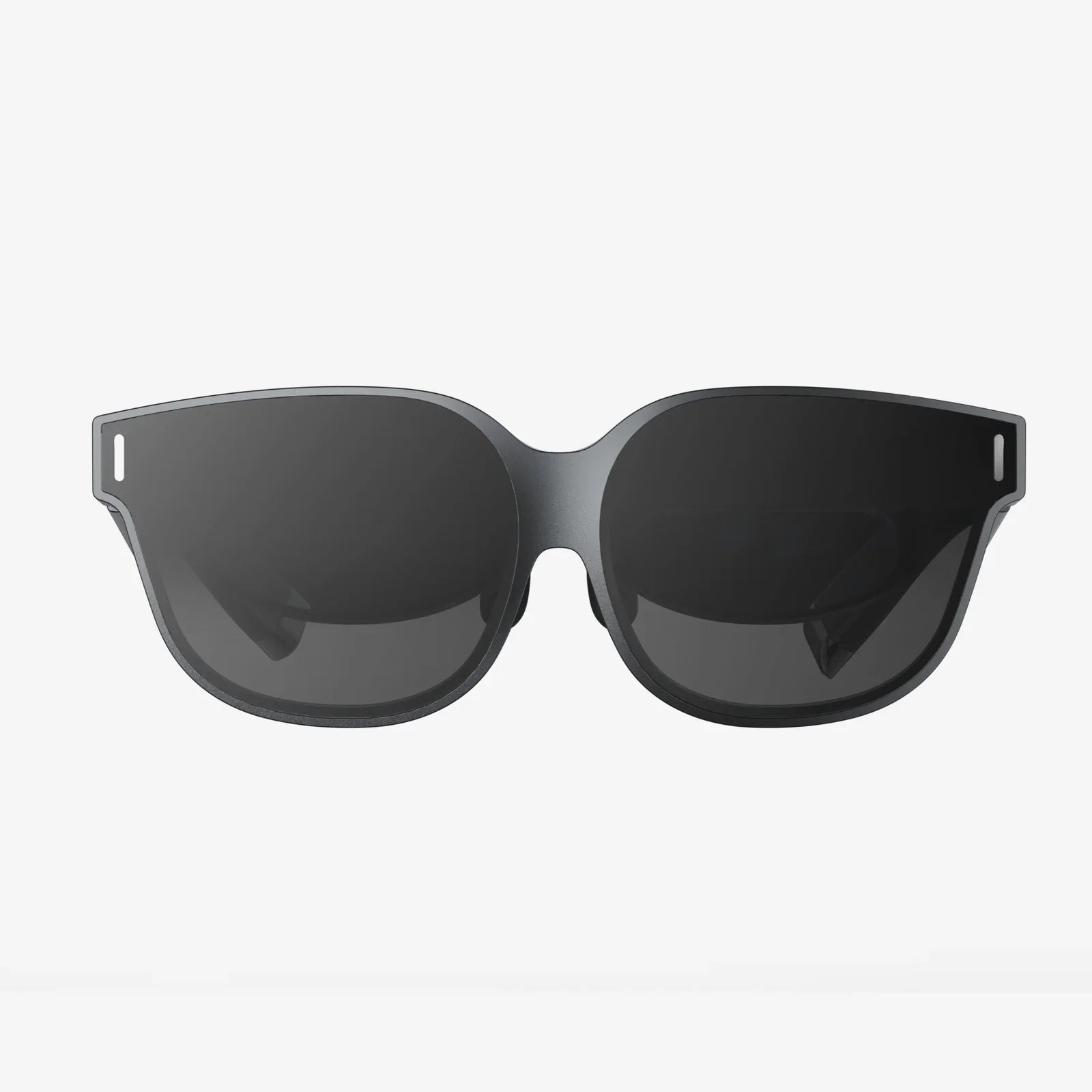
Meanwhile, AR is breaking out of the smartphone. The next generation of smart glasses is lighter, more socially acceptable, and far more capable. They project contextual information onto the real world—directions superimposed onto the street, recipe instructions floating beside your mixing bowl, or the name and profile of a colleague you're about to meet at a conference. This seamless overlay of digital information onto our physical reality promises to revolutionize fields from manufacturing and logistics to education and everyday navigation, making us more informed and efficient without ever requiring us to look down at a device.
The Connectivity Revolution: Beyond 5G and the Wi-Fi 7 Standard
All these intelligent, immersive experiences demand a nervous system of unparalleled speed and reliability. The infrastructure that connects our latest digital technology products is undergoing its own radical transformation. While 5G networks continue to expand, offering lower latency and higher bandwidth for mobile devices, the next frontier is already emerging in the form of Wi-Fi 7.
This new wireless standard is not a simple speed boost. It introduces technologies like Multi-Link Operation (MLO), which allows a device to simultaneously transmit data across multiple frequency bands (2.4GHz, 5GHz, and 6GHz). This means rock-solid, uninterrupted video calls, instantaneous cloud gaming with no perceptible lag, and the ability to download massive files in the blink of an eye. For the smart home, packed with dozens of connected products, Wi-Fi 7 provides the necessary backbone to ensure every device, from the smart fridge to the security cameras, operates flawlessly without congestion. This invisible web of ultra-fast connectivity is the glue that binds the modern digital ecosystem together, making the Internet of Things (IoT) truly seamless and powerful.
The Invisible Ecosystem: Smart Homes Get Truly Intelligent
The concept of the smart home is evolving from a collection of remotely controlled gadgets into a unified, intelligent organism. The latest digital technology products for the home are defined by interoperability, sustainability, and predictive automation.
A new universal standard, Matter, is a game-changer, allowing products from different manufacturers to communicate effortlessly, finally breaking down the walled gardens of proprietary ecosystems. This means you can choose a smart light bulb, a thermostat, and a door lock based on their merits, not their brand compatibility, and know they will work together perfectly.
Beyond convenience, these systems are now focused on energy efficiency and proactive care. Refrigerators can track food inventory and suggest recipes to minimize waste. HVAC systems can learn your schedule and preferences to optimize heating and cooling, significantly reducing energy consumption. Robotic appliances are becoming more sophisticated, with vacuums that not only map your home but also identify and avoid obstacles like pet toys or phone cables. These products are shifting from being reactive tools to proactive partners in managing our living spaces, saving us time, money, and resources.
Personal Tech Reimagined: Health, Sustainability, and Foldable Form Factors
Even our most personal devices are being rethought from the ground up. The smartphone, arguably the center of our digital lives, is exploring new frontiers in form and function. Foldable and rollable displays are moving from novelty to maturity, offering users the convenience of a compact phone that unfolds into a tablet-sized screen for productivity and entertainment. This flexibility challenges the traditional slab-shaped design that has dominated for over a decade.
Wearables have transcended basic fitness tracking. The latest smartwatches and health rings are equipped with advanced sensors capable of measuring blood oxygen levels, conducting electrocardiograms (ECG), and even monitoring skin temperature and stress levels. They are evolving into genuine health guardians, providing users and their doctors with valuable, long-term health data for preventative care.
Furthermore, a powerful undercurrent in the design of all the latest digital technology products is a heightened focus on sustainability. Manufacturers are increasingly using recycled materials, offering longer software support cycles to extend device lifespans, and designing products for easier repairability. This shift responds to a growing consumer demand for technology that is not only powerful but also responsible.
The Engine Room: Next-Generation Computing Power
Driving all these advancements is a revolution in silicon. The latest processors, found in everything from laptops to servers, are built on incredibly advanced manufacturing processes, packing tens of billions of transistors onto a single chip. This allows for unprecedented gains in performance and energy efficiency.
We are seeing the rise of specialized chips, or SoCs (System on a Chip), that integrate the central processing unit (CPU), graphics processing unit (GPU), NPU, and other components into a single, highly efficient package. This integration is the reason the latest laptops can deliver all-day battery life without sacrificing performance, enabling the thin-and-light designs that are now standard. This raw computational power is the invisible engine that makes the AI features, immersive graphics, and instant connectivity not just possible, but smooth and effortless for the user.
Navigating the New Frontier: Considerations for the Future
As we embrace these latest digital technology products, it's crucial to navigate this new landscape with awareness. The increased integration of technology into our lives raises important questions about data privacy and security. With devices constantly collecting environmental and personal data, robust encryption and transparent data policies are non-negotiable. Furthermore, the environmental impact of manufacturing and disposing of electronic goods remains a critical challenge that the industry must continue to address through innovation and circular economy principles.
The digital divide is another consideration. Ensuring that the benefits of these technological leaps are accessible and affordable, not just to a privileged few, is essential for fostering inclusive progress. The goal should be to use technology to solve human problems and enhance human potential, not to create new barriers.
The pace of change is not slowing down; the next wave of innovation, perhaps in quantum computing or brain-computer interfaces, is already gathering momentum. The products available today are a thrilling testament to human ingenuity, offering a glimpse into a future where technology is less of a tool we use and more of an environment we inhabit—an intelligent, responsive, and deeply integrated layer of our existence. The question is no longer what these devices can do, but what we will choose to do with them.
From the AI that anticipates your needs to the AR glasses that paint information onto the world, the connected home that manages itself, and the wearable that guards your health, the future promised for decades is unpacking itself on store shelves and in our homes today. This isn't just an upgrade; it's the dawn of a new, seamlessly connected era, and the most exciting part is that we all get a front-row seat to the revolution.
Share:
AI Application: The Silent Revolution Reshaping Our World
Components of Wearable Computer: The Intricate Anatomy of Your Digital Second Skin