


Imagine a world where the digital and the physical are no longer separate realms but a single, interconnected tapestry of experience. This is no longer the stuff of science fiction; it is the rapidly evolving reality being built today through groundbreaking advancements in augmented reality. The latest trends in AR are not just about flashy filters or niche gaming applications; they are fundamentally reshaping how we work, learn, shop, and connect, promising a future where information and imagination are seamlessly overlaid onto the world around us. The journey into this enhanced existence is already underway, and its trajectory is more exciting than anyone could have predicted.
The March Towards the Metaverse and Spatial Computing
The most dominant trend sweeping the AR landscape is its pivotal role as the primary gateway to the much-hyped Metaverse. While virtual reality offers full digital immersion, AR provides a more practical and accessible bridge, allowing users to bring digital objects and information into their immediate physical environment. This concept, often termed spatial computing, represents a paradigm shift in human-computer interaction. Instead of looking at a screen, we will interact with a digital layer that understands and respects the geometry and context of our space.
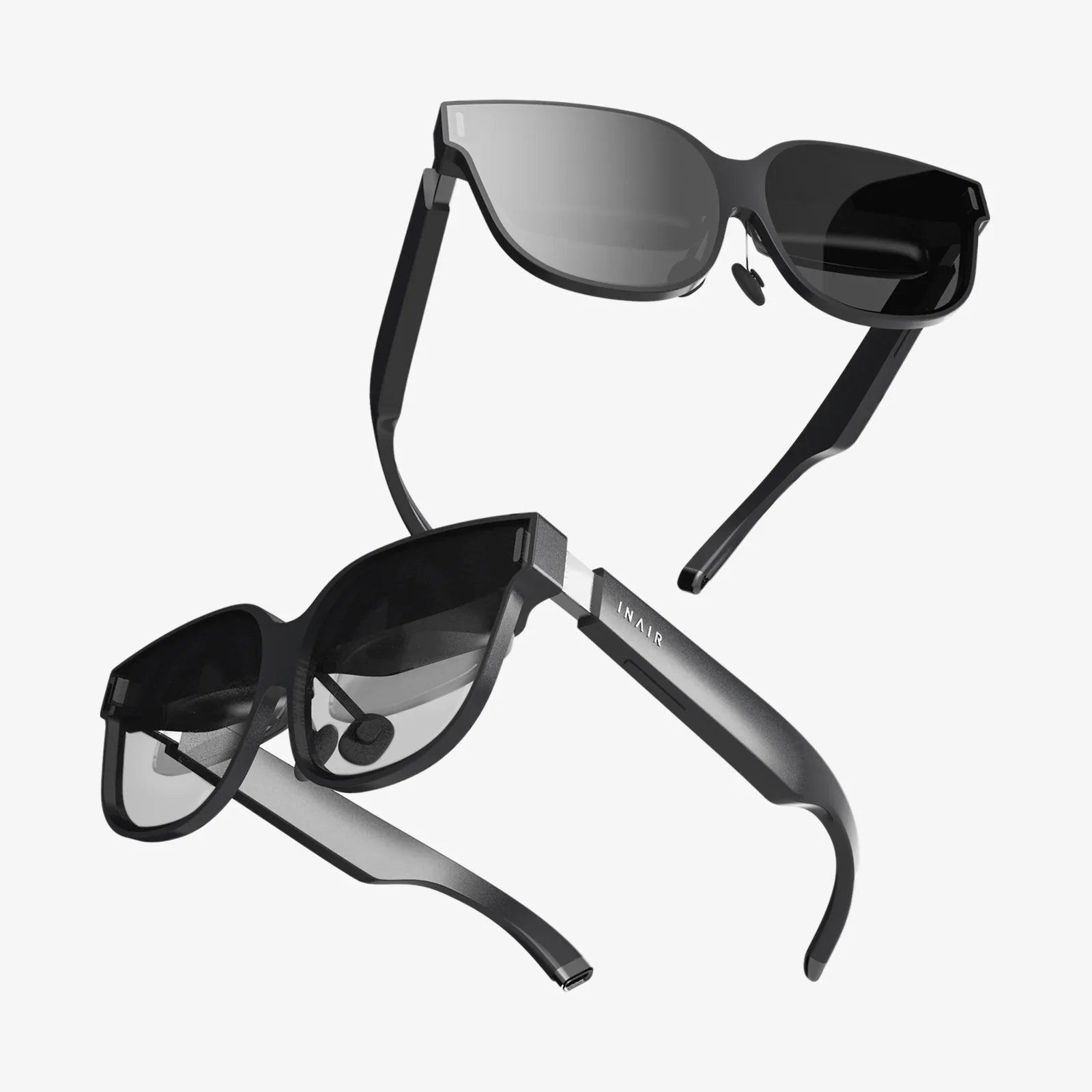
This trend is fueled by a new generation of hardware. We are witnessing a move beyond smartphones towards dedicated AR wearables—smart glasses and eventually contact lenses—designed for all-day use. These devices are becoming lighter, more powerful, and crucially, more socially acceptable. The focus is on creating a natural user experience, utilizing advanced sensors, spatial mapping, and intuitive hand-tracking gestures to manipulate digital content as if it were truly there.
The Democratization of AR Through WebAR and No-Code Platforms
Perhaps the most significant barrier to widespread AR adoption has been the friction of access. Traditionally, experiencing AR required downloading a specific, often large, application. The latest trend shatters this model through the rise of WebAR. By leveraging modern web browsers, WebAR allows users to access augmented experiences instantly via a simple URL or QR code, with no app installation required.
This democratization is a game-changer. It drastically lowers the barrier to entry for both creators and consumers. Coupled with the emergence of sophisticated no-code and low-code AR platforms, brands, educators, and artists can now build and deploy complex AR experiences without needing a team of dedicated programmers. This trend is unleashing a wave of creativity and utility, from trying on virtual makeup directly on an e-commerce site to interacting with a 3D model of a historical artifact on a museum's webpage, making AR a ubiquitous tool rather than a specialized novelty.
The Powerful Convergence of AR and Artificial Intelligence
Augmented reality is becoming exponentially smarter and more context-aware through its integration with Artificial Intelligence and machine learning. AI is the brain that empowers AR's eyes. Computer vision algorithms can now instantly identify objects, people, and scenes with remarkable accuracy. This allows AR experiences to be deeply personalized and responsive.
For instance, an AR navigation system powered by AI can not only overlay directions onto the street but also recognize storefronts, provide real-time information about their offerings, or even translate foreign text on a menu in real-time. AI can also drive generative AR content, creating dynamic and unique digital assets on the fly based on user input or environmental cues. This synergy is creating a new class of proactive AR, where the technology anticipates user needs and surfaces relevant information before it's even asked for.
Revolutionizing Enterprise and Industrial Applications
While consumer AR grabs headlines, some of the most impactful and mature trends are occurring in enterprise and industrial settings. Here, AR is moving beyond experimentation to become a core component of operational infrastructure, delivering tangible ROI through increased efficiency, enhanced safety, and reduced errors.
- Remote Assistance and Collaboration: Experts can see what a field technician sees through smart glasses and annotate their real-world view with arrows, diagrams, and notes, guiding them through complex repairs from thousands of miles away. This slashes travel costs and downtime.
- Complex Assembly and Manufacturing: AR headsets can project digital work instructions, schematics, and safety warnings directly onto assembly lines, guiding workers step-by-step through intricate processes and ensuring precision and compliance.
- Training and Onboarding: New employees can be trained using interactive AR simulations that overlay crucial information onto physical machinery, allowing them to learn by doing in a risk-free environment.
This trend is characterized by rugged, hands-free hardware and highly specialized software designed to solve specific, high-value problems.
Transforming Retail, Try-Before-You-Buy, and Social Commerce
The retail sector is being utterly transformed by AR's ability to bridge the online-offline divide. The "try-before-you-buy" concept has evolved from a nice idea to a critical sales tool. Consumers can now use their smartphones or AR mirrors to see how furniture will look and fit in their living room, how a new shade of paint will transform their walls, or how a pair of glasses will look on their face.
This trend is merging with social commerce in powerful ways. Social media platforms are deeply integrating AR filters and effects, allowing users to virtually try on products from brands and share those experiences with their networks. This turns advertising into an interactive, engaging, and highly personal event. User-generated content featuring AR try-ons acts as powerful social proof, driving conversion rates and reducing product returns, making it a cornerstone of the modern e-commerce strategy.
The Rise of AR Cloud and Persistent Digital Content
Early AR experiences were ephemeral—once you closed the app, the digital content vanished. The next evolutionary step is the development of the AR Cloud, a persistent, digital copy of the real world. Think of it as a universal, shared canvas that everyone's AR devices can access and contribute to.
This technology allows digital content to be "anchored" to specific GPS coordinates and physical structures, persisting over time and being visible to anyone who looks through an AR device. The implications are profound: a world where you can leave a digital note for a friend on a park bench, see historical facts pop up as you walk through a city, or participate in a persistent, location-based AR game that doesn't reset when you log out. The AR Cloud is the foundational infrastructure that will enable shared, multi-user AR experiences at a massive scale, creating a permanent layer of information and interaction over our planet.
Enhanced Creator Tools and the Mainstreaming of AR Art
The tools for creating AR experiences are becoming more powerful, accessible, and intuitive. This is fueling a boom in AR-driven art and storytelling. Artists are no longer confined to canvases or screens; they can use entire cities, parks, and buildings as their medium. Interactive AR sculptures can appear in public squares, and historical figures can be brought to life in museums, offering immersive narratives.
Furthermore, the line between the digital and physical art worlds is blurring. Artists can create limited-edition digital artworks that are tied to specific locations, viewable only through an AR lens. This trend is creating new artistic genres, economic models, and ways for the public to engage with culture, turning every smartphone into a potential window to a hidden world of creativity.
Addressing the Challenges: Privacy, Ethics, and Digital Division
With great power comes great responsibility, and the latest trends in AR raise significant questions that society must address. The technology's ability to continuously capture and analyze the environment through cameras and sensors presents profound privacy challenges. The concept of "augmented surveillance" is a real concern, as devices could potentially record and identify people without their consent.
Ethical considerations around data ownership, content moderation on the AR Cloud, and digital litter are paramount. Furthermore, there is a risk of a "digital divide," where access to these enhancing technologies becomes a marker of socioeconomic privilege. Establishing robust ethical frameworks, clear regulations, and developing privacy-by-design principles are not optional extras; they are critical prerequisites for building a healthy and equitable augmented future that benefits all of humanity, not just a select few.
The boundaries between our digital and physical lives are dissolving faster than ever, and the latest trends in augmented reality are the catalyst. This isn't just about technological novelty; it's a fundamental rewiring of human experience, offering unprecedented ways to connect, create, and comprehend the world. From the enterprise floor to the artist's studio, from the retail store to your living room, AR is ceasing to be a separate technology and is instead becoming an invisible, intelligent layer woven into the fabric of everyday life. The future is not something we will merely step into; it is a world we will actively build and augment, one digital overlay at a time.
Share:
Is Augmented Reality Expensive? A Deep Dive into the True Cost of Immersive Technology
Define Augmented Reality Technology: Bridging Our Digital and Physical Worlds