


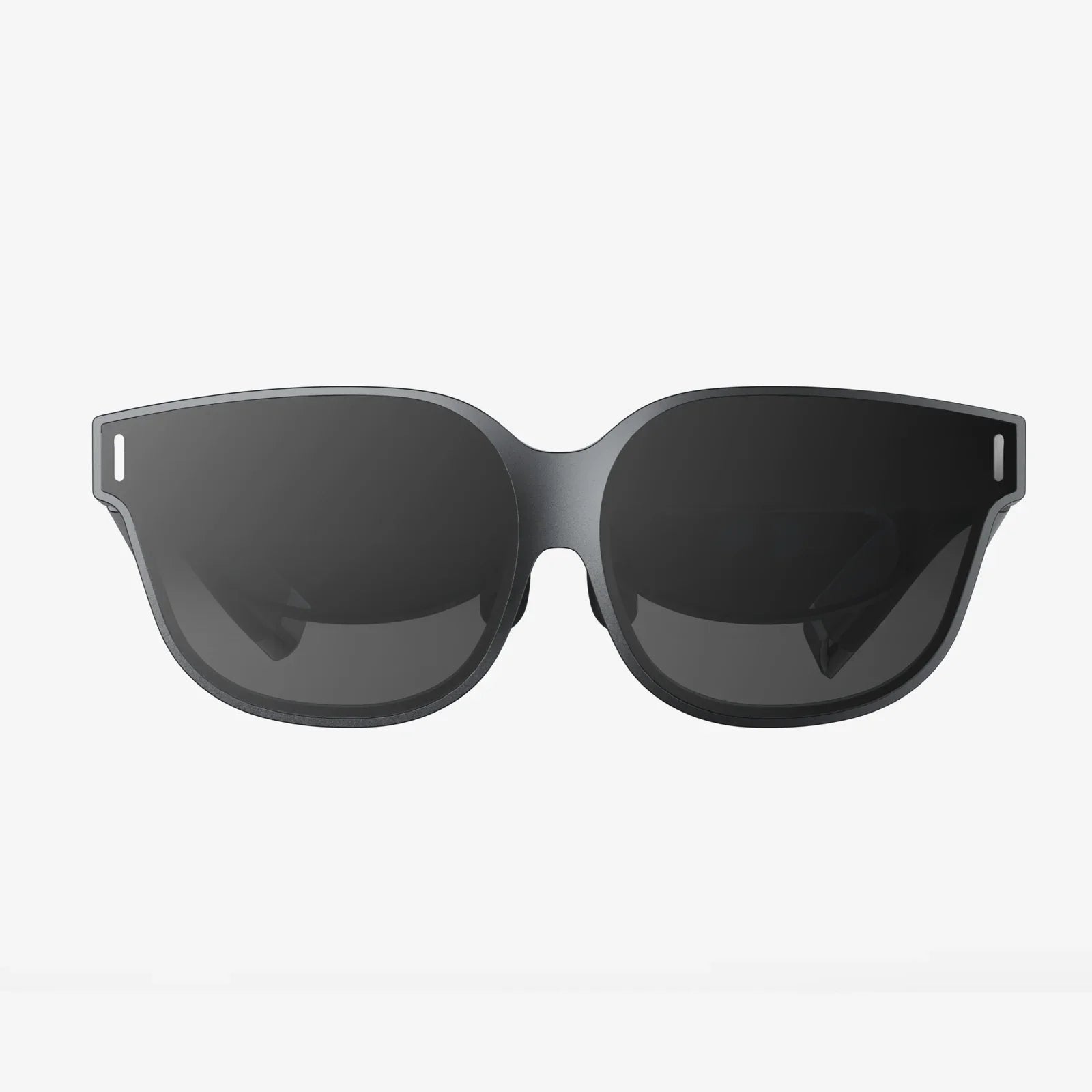
- by wangfred
Latest Trends in Virtual Reality: Beyond the Hype and Into the Future
- by wangfred
The world is putting on a headset, and the digital universe is responding in kind. What was once the stuff of science fiction, a niche pursuit for gamers and tech enthusiasts, is rapidly evolving into a foundational technology poised to reshape how we work, connect, learn, and play. The landscape of virtual reality is shifting at a breathtaking pace, moving beyond simplistic novelty to offer profound, immersive, and genuinely useful experiences. The conversation is no longer about if VR will become mainstream, but how it will seamlessly integrate into the fabric of our daily lives. The latest trends are not just about better graphics; they are about building bridges between our physical and digital realities, creating persistent worlds, and unlocking human potential in ways we are only beginning to understand. This is the thrilling, complex, and inevitable next chapter of computing.
The most dominant trend, fueled by immense investment and cultural buzz, is the push towards the metaverse. This concept represents a paradigm shift from isolated VR experiences to a continuous, interconnected network of virtual spaces. Think of it not as a single application you open and close, but as a digital layer over reality—a place you can inhabit.
This trend is characterized by several key developments. Interoperability is the holy grail, aiming to allow digital assets—your avatar, your clothing, your virtual car—to move seamlessly between different virtual platforms and experiences. While full interoperability remains a technical and commercial challenge, the industry is moving firmly in this direction. Furthermore, these spaces are becoming user-generated and economy-driven. Platforms are increasingly providing the tools for users to create their own worlds, games, and assets, which can then be bought, sold, and traded, often using blockchain technology and non-fungible tokens (NFTs) to establish verifiable digital ownership. This creates a powerful incentive for creativity and commerce, building ecosystems that extend far beyond the initial vision of any single company.
While full immersion has its place, the most practical and immediately impactful trend is the blending of the virtual and the real. Mixed Reality (MR), powered by high-fidelity color passthrough cameras, is breaking down the barriers that have kept VR isolated. Modern headsets are equipped with sensors that allow them to understand and map your physical environment in real-time.
This capability unlocks a universe of applications. Instead of being teleported to a completely foreign digital landscape, you can pin a virtual television on your real living room wall, have a life-sized colleague avatar sitting on your real sofa for a meeting, or practice a complex surgical procedure on a virtual patient overlaid onto a real hospital bed. This trend is making VR less about escape and more about augmentation. It enhances your existing reality with digital information and interaction, making the technology more social, accessible, and useful for prolonged, everyday tasks. It represents a fundamental step towards the dream of spatial computing, where digital content coexists with our physical world.
While consumer entertainment grabs headlines, the silent revolution is happening in corporate boardrooms, factory floors, and design studios. Enterprise VR is no longer a pilot program; it is a multi-billion dollar industry delivering tangible ROI. Companies are leveraging VR for:
This trend is driven by the clear value proposition: reducing costs, mitigating risk, enhancing remote collaboration, and improving learning outcomes.
The dream of true presence—the undeniable feeling of being in another place—relies on tricking the human brain. The latest hardware innovations are closing the gap between reality and simulation at an astonishing rate.
Next-generation displays are offering dramatically higher resolutions, wider fields of view, and better pixel density to eliminate the screen-door effect. More importantly, foveated rendering, powered by integrated eye-tracking, is a game-changer. This technology tracks where the user's eyes are looking and renders that specific area in high detail while subtly reducing the rendering load in the peripheral vision. This massively improves performance and visual fidelity without requiring exponentially more computing power.
Beyond vision, haptic feedback is evolving from simple controller rumble to sophisticated full-body suits and gloves that simulate touch, pressure, temperature, and even the impact of a virtual raindrop. This multisensory engagement is critical for achieving deep immersion and making virtual interactions feel tangible and real.
Human connection is the killer app for any new medium. Social VR has matured far beyond novelty chat rooms. Platforms now host virtual concerts with millions of attendees, corporate team-building events in exotic digital locales, and mindfulness sessions in serene, guided environments. The focus is on embodied social presence—the ability to read body language, make eye contact, and share a sense of space with someone thousands of miles away. This trend is redefining remote communication, making it feel less remote and more human. It's not just about talking; it's about being together, sharing experiences, and building communities in shared virtual spaces that feel authentic and engaging.
A profoundly positive trend is the application of VR in medicine and mental health. VR exposure therapy is a well-established treatment for PTSD, phobias, and anxiety disorders, allowing therapists to create controlled, safe environments for patients to confront and overcome their fears. It is also used for physical rehabilitation, turning painful or repetitive exercises into engaging games that improve patient motivation and outcomes. Furthermore, VR is becoming a tool for meditation and mindfulness, transporting users to calming natural environments to reduce stress and improve mental well-being. This trend highlights VR's potential not just for entertainment, but for genuine human betterment.
The software ecosystem is exploding beyond its gaming roots. A content renaissance is underway across all genres. Immersive storytelling places you inside the narrative as an active participant. Educational content lets you travel through the human bloodstream or walk on the surface of Mars. Live events, from sports to opera, are offering front-row seats to a global audience. Furthermore, user-generated content platforms are empowering a new generation of creators to build and share their own experiences without needing a large development team. This diversification of content is crucial for attracting and retaining a broader, more diverse audience.
Despite the exciting progress, significant challenges remain. Hardware is becoming more powerful but also more expensive for high-end experiences, creating a barrier to entry. Issues of privacy, data security, and ethical behavior in persistent virtual worlds are largely unanswered. The potential for addiction and the psychological effects of long-term immersion are areas requiring serious study. Furthermore, creating comfortable experiences that avoid motion sickness for all users remains a technical hurdle, though improvements in latency and refresh rates are helping. The industry must navigate these challenges thoughtfully to ensure the responsible and equitable development of this powerful technology.
The headset is becoming a window, a workshop, a classroom, and a portal to shared human experience. The latest trends in virtual reality are weaving the technology into the very fabric of society, moving it from the periphery to the center of how we envision the future of human connection and computation. This is not a distant promise; the foundations are being laid today in labs, offices, and living rooms across the globe. The virtual frontier is open for business, and it is waiting for you to step inside and define your place within it. The next click could transport you to the forefront of a revolution that is only just beginning.