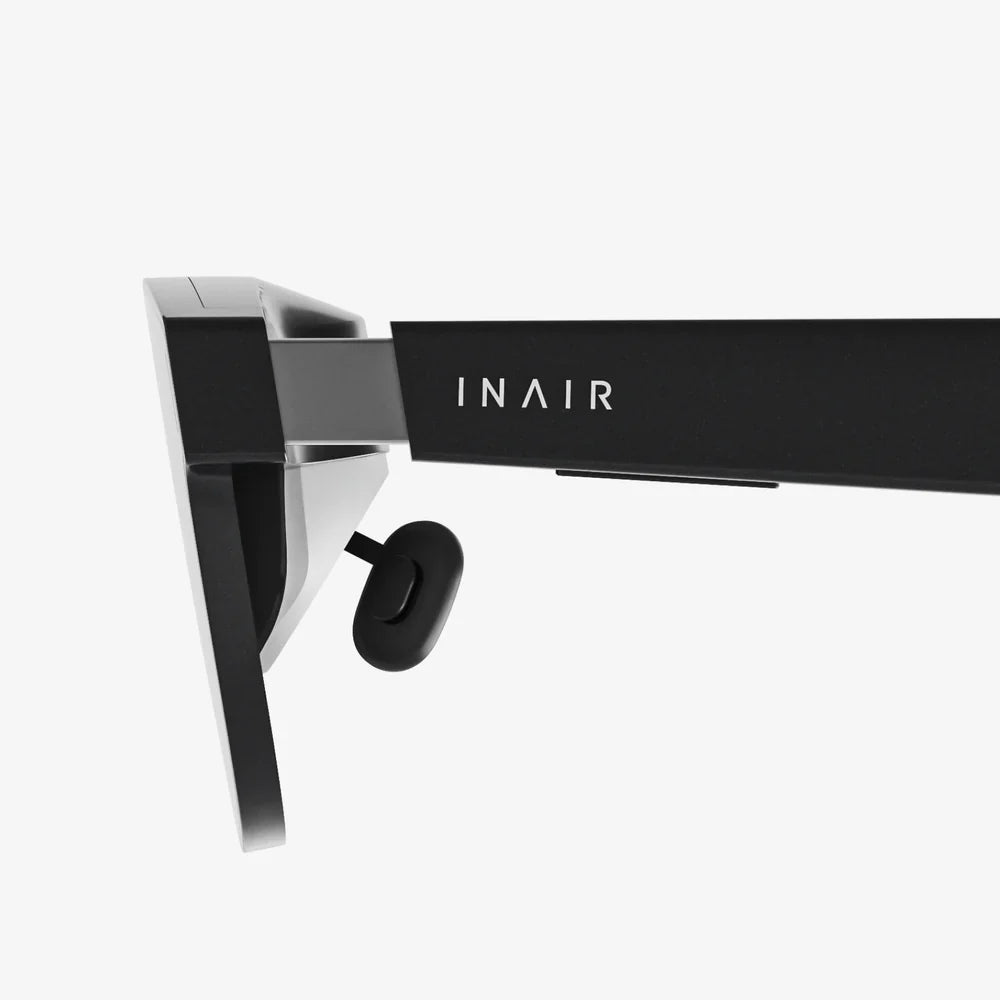
You've seen the future, and it's immersive, interactive, and incredibly compelling. The virtual reality industry is booming, projected to be a multi-hundred-billion-dollar market within the next few years. The potential for innovation is limitless, from revolutionizing corporate training and remote collaboration to creating breathtaking new forms of entertainment and social connection. But before you can strap on a headset and step into the metaverse as a business owner, there's a critical, ground-level question you must answer: what is the cost of virtual reality business? The answer is far more complex than the price of a single device. It's a intricate web of development, hardware, software, and operational expenses that can determine whether your venture soars or sinks. This comprehensive guide will dissect every layer of investment required to build a sustainable and successful VR enterprise.

The Foundation: Understanding the Two Primary Cost Centers

Before diving into specific numbers, it's crucial to frame the financial landscape. The costs of a VR business broadly fall into two categories: Capital Expenditures (CapEx) and Operational Expenditures (OpEx).

Capital Expenditures (CapEx) are your one-time, upfront investments to acquire or upgrade physical, non-consumable assets. Think of this as the cost to build your initial product and infrastructure. This includes:

  • Research & Development (R&D) for your VR experience/application
  • High-end computer hardware for development and testing
  • Professional-grade VR headsets and peripherals
  • Specialized equipment for motion capture, 3D scanning, or haptic feedback
  • Initial content creation costs

Operational Expenditures (OpEx) are the ongoing costs for running your business day-to-day. These are the expenses that recur monthly or annually and are essential for keeping the lights on and the virtual worlds spinning. This includes:

  • Salaries for your team (developers, designers, managers)
  • Software licensing fees (game engines, 3D modeling software)
  • Cloud computing and server hosting costs
  • Marketing and user acquisition campaigns
  • Office space, utilities, and general administrative overhead

Most new entrepreneurs dramatically underestimate OpEx, focusing only on the initial launch. A successful business model must account for both.

Breaking Down the Capital Expenditures (CapEx)

1. Research & Development (R&D): The Heart of the Investment

This is typically the single largest cost center for a VR software company. Creating a compelling, functional, and polished VR experience is a highly specialized and labor-intensive process.

  • Team Salaries (During Development): A core team for a modest project might include a Project Manager, two Unity or Unreal Engine Developers, a 3D Artist, a UI/UX Designer, and a Quality Assurance Tester. Annual salaries for such a team, depending on location and experience, can easily range from $500,000 to over $1 million.
  • Software Licensing: While powerful game engines like Unity and Unreal Engine have free tiers, commercial use often requires pro licenses ($1,800/seat/year for Unity Pro). Add professional software for 3D modeling (e.g., Maya, 3ds Max), animation, and audio design, and software costs can add thousands per year.
  • Development Hardware: VR development requires powerful computers. Each developer and artist will need a high-end PC with a top-tier GPU, ample RAM, and fast storage. Budget a minimum of $2,500 - $4,000 per workstation. You will also need multiple units of the target VR headsets (e.g., standalone, PC-connected) for testing, which can cost $400 - $1,500 per unit.

Total R&D CapEx: For a minimum viable product (MVP) developed over 6-12 months, R&D costs can range from $250,000 to well over $1 million.

2. Hardware and Equipment Costs

If your business model involves providing the hardware to users (e.g., VR arcades, enterprise training solutions, real estate virtual tours), this becomes a massive capital outlay.

  • Headsets: The cost varies dramatically. All-in-one standalone headsets are cheaper ($300 - $1,000 per unit), while high-fidelity PC-powered headsets for top-tier experiences are more expensive ($1,000 - $1,500+ per unit).
  • VR-Ready PCs: If using PC-powered headsets, each station requires a computer that can cost $1,500 - $3,000.
  • Peripherals and Infrastructure: This includes base stations for tracking, haptic feedback suits or gloves, omnidirectional treadmills, and specialized controllers. These can range from a few hundred to tens of thousands of dollars per unit.
  • Space Setup: For location-based VR, you must factor in the cost of physical space renovation, networking infrastructure, charging stations, and furniture.

Total Hardware CapEx: A single high-end VR station for enterprise use can cost $5,000 - $15,000. A small VR arcade with 10 stations could see a hardware investment of $50,000 - $150,000 before even considering the space lease.

Navigating the Ongoing Operational Expenditures (OpEx)

1. The Team: Your Largest Recurring Cost

Once you launch, your team's work is not over. You need people to maintain, update, market, and support the product.

  • Salaries: You must retain core developers for bug fixes and new content updates. You'll also need to hire or allocate resources for marketing, sales, customer support, and business management.
  • Employee Benefits and Overhead: Don't forget the cost of health insurance, payroll taxes, retirement contributions, and other benefits, which can add 15-30% on top of base salaries.

2. Cloud, Hosting, and IT Infrastructure

Modern VR applications, especially social or multiplayer ones, rely heavily on cloud infrastructure.

  • Server Costs: Services from major cloud providers for matchmaking, user accounts, and persistent worlds are based on usage. Costs can start at a few hundred dollars per month for a small user base and scale into the thousands or tens of thousands as you grow.
  • Content Delivery Network (CDN): Delivering large VR application files and asset updates to a global audience efficiently requires a CDN, adding another recurring expense.
  • Data Storage: Storing user data, game saves, and digital assets incurs ongoing costs.

3. Marketing and User Acquisition

Simply building a VR application is not enough. You need a budget to make sure people know it exists.

  • Digital Marketing: This includes social media advertising, search engine marketing, and influencer partnerships. The cost per acquisition (CPA) in the tech space can be high.
  • App Store Fees: Distributing through major platforms like Meta Quest Store, SteamVR, or Apple's App Store typically involves a 30% revenue share on all sales.
  • Events and PR: Attending industry trade shows (e.g., GDC, CES) to showcase your product is expensive but often necessary for B2B and B2C visibility.

4. Content Updates and Ongoing Development

The VR market expects continuous improvement. The initial launch is just the beginning. Budgeting for post-launch content updates, new features, and expansion packs is essential for retaining users and generating ongoing revenue. This means a significant portion of your R&D OpEx continues indefinitely.

Hidden Costs and Contingencies: The Budget Killers

Beyond the obvious line items, several hidden costs can derail an unprepared budget.

  • Insurance: General liability insurance is a must, especially for location-based VR. You may also need cyber liability insurance to protect user data.
  • Legal and Accounting Fees: Setting up the business entity, drafting Terms of Service, privacy policies, and handling complex financials requires professional help.
  • Payment Processing Fees: Stripe, PayPal, and other processors take a small percentage of every transaction.
  • Hardware Depreciation and Replacement: VR hardware evolves rapidly. Headsets become obsolete, controllers break, and PCs need upgrading. You should budget a yearly contingency of 15-20% of your initial hardware investment for maintenance and replacement.
  • The Unknown: Always have a contingency fund of at least 10-15% of your total projected budget for unexpected challenges, delays, or opportunities.

Revenue Models: How to Fund the Venture

Understanding the costs is only one side of the equation. You must have a clear plan to generate revenue to cover them.

  • B2C (Business-to-Consumer): This includes one-time app purchases, in-app purchases, subscription models for content, or advertising revenue.
  • B2B (Business-to-Enterprise): This often involves licensing software on a per-seat, annual subscription basis (SaaS) or charging large upfront fees for custom-developed training simulations, design visualization tools, or virtual showrooms. B2B contracts are typically larger but sales cycles are longer.
  • Location-Based Entertainment (LBE): Revenue is generated by charging customers per session, per hour, or through membership models for in-person VR experiences.

The choice of model directly impacts your cost structure. A B2B SaaS model, for instance, requires a robust customer success and sales team, increasing OpEx, but can lead to higher, more predictable revenue.

Case Study: Estimating Costs for Different VR Business Types

Let's apply these principles to three hypothetical scenarios. Remember, these are rough estimates and can vary widely.

1. The Indie Game Studio (B2C):
A small team creating a single innovative VR game for direct consumer purchase.
CapEx (Year 1): $200,000 - $500,000 (Salaries, software, hardware)
OpEx (Ongoing): $10,000 - $20,000/month (Cloud, marketing, retained team)
Total Year 1 Investment: ~$320,000 - $740,000

2. The Enterprise Training Solution (B2B):
A company developing a safety training simulation for a specific industry.
CapEx (Year 1): $400,000 - $800,000 (Specialized development, higher salaries)
OpEx (Ongoing): $15,000 - $30,000/month (Sales team, customer support, server hosting for clients)
Total Year 1 Investment: ~$580,000 - $1,160,000

3. The VR Arcade (LBE):
A local entertainment venue with 8 VR stations.
CapEx (One-Time): $120,000 - $200,000 (Hardware, PCs, space build-out, furniture)
OpEx (Monthly): $8,000 - $15,000 (Space lease, utilities, staff salaries, marketing, loan repayment)
Total Initial Investment: ~$120,000 - $200,000 + significant monthly overhead

These figures starkly illustrate that entering the VR arena is rarely a low-cost endeavor. It demands serious capital, meticulous financial planning, and a viable long-term strategy for growth and profitability.

The journey into the virtual realm is one of the most exciting entrepreneurial adventures of our time, but it's not a path for the faint of heart or the light of wallet. The true cost of a virtual reality business is the total investment required to not only build a captivating experience but also to sustain it, support it, and evolve it in a fiercely competitive and fast-moving market. By thoroughly understanding and planning for both the visible and hidden expenses—from the powerful GPUs that render your worlds to the cloud servers that connect your users—you transform a daunting financial question into a strategic business blueprint. With a clear-eyed view of the investment required, you can confidently build a foundation solid enough to support the incredible, immersive future you aim to create.

Latest Stories

This section doesn’t currently include any content. Add content to this section using the sidebar.