


- by wangfred
Latest VR AR XR News: The Next Digital Revolution Is Happening Now
- by wangfred
Imagine a world where the digital and physical seamlessly intertwine, where your workspace is a boundless virtual canvas, and learning history means walking through ancient Rome right from your living room. This isn't a distant sci-fi fantasy—it's the reality being built today, and the pace of change is breathtaking. The convergence of Virtual Reality (VR), Augmented Reality (AR), and Extended Reality (XR) is accelerating, moving beyond niche gaming and novelty filters to fundamentally reshape how we work, connect, and perceive the world around us. If you haven't paid attention lately, you'll be stunned by the progress.
While consumer applications often grab headlines, the most profound and financially substantial advancements in immersive technologies are occurring within enterprise and industrial sectors. Companies are deploying these tools to solve real-world problems, drive efficiency, and create entirely new operational paradigms.
Major players in manufacturing are now leveraging AR for complex assembly and maintenance. Technicians wearing advanced smart glasses can see digital overlays of wiring diagrams, torque specifications, and step-by-step instructions directly onto physical engines or machinery, reducing errors and training time by significant margins. This hands-free access to information is revolutionizing fields from aerospace repair to complex pharmaceutical production lines.
In the realm of design and architecture, VR has become an indispensable tool. Instead of reviewing blueprints on a screen, architects and their clients can don a headset and perform a true-to-scale walkthrough of a building before the foundation is even poured. This allows for design modifications that are both more intuitive and far less costly than making changes during construction. The ability to experience a space, from the flow of a room to the way natural light falls at different times of day, provides a value that traditional mediums simply cannot match.
Remote collaboration is another area experiencing massive growth. As hybrid work models become standard, XR offers a compelling alternative to the endless grid of video calls. Teams scattered across the globe can meet in a persistent virtual boardroom, interact with 3D models of products, and brainstorm on virtual whiteboards as if they were standing side-by-side. This sense of "co-presence" is a giant leap forward in fostering a cohesive company culture and enabling complex, collaborative work from anywhere on the planet.
The terminology is evolving. The conversation is gradually shifting from isolated VR and AR experiences toward the broader concept of "spatial computing" and the "metaverse." This isn't just semantic change; it represents a fundamental rethinking of how we interact with computers. Instead of looking at a device, we will interact with information within our space.
Recent developments suggest a future where high-fidelity passthrough AR is the standard. This technology uses outward-facing cameras on a VR headset to display the real world to the user in real-time, seamlessly blending digital objects into it. The latest iterations of this tech have dramatically reduced latency and improved resolution, making the digital overlay feel stable and real. This breakthrough is the key that unlocks the true potential of XR—the ability to enhance our reality rather than replace it entirely.
This push is fueling the development of a more open and interoperable metaverse. The early vision of a single, walled-garden virtual world is giving way to a network of interconnected spaces and experiences. The focus is now on developing open standards for assets, identity, and currency, allowing users to move their digital avatars and possessions between different virtual platforms. This interoperability is critical for long-term adoption, preventing user lock-in and fostering a healthier ecosystem for developers and creators.
The hardware powering this revolution is undergoing its own rapid transformation. The clunky, wired, and power-hungry headsets of yesteryear are being replaced by a new generation of sophisticated devices.
A significant trend is the move toward standalone headsets. These all-in-one units, powered by mobile chipsets, offer unparalleled freedom and ease of use. Without the need for a cable tether to a powerful computer, users can easily move, turn, and engage with virtual content without constraints. The processing power and display quality of these standalone devices are now reaching a point where they can deliver compelling experiences that were previously only possible on high-end, PC-connected systems.
Another critical area of innovation is in the user interface. The standard controller wands are being supplemented—and in some cases replaced—by more intuitive input methods. Advanced inside-out tracking allows headsets to understand their position in a room and track the user's hands with incredible accuracy, enabling natural gestures and interactions. Eye-tracking technology is also becoming more common, allowing for foveated rendering (where only the area you're directly looking at is rendered in full detail, saving processing power) and more expressive avatars in social settings.
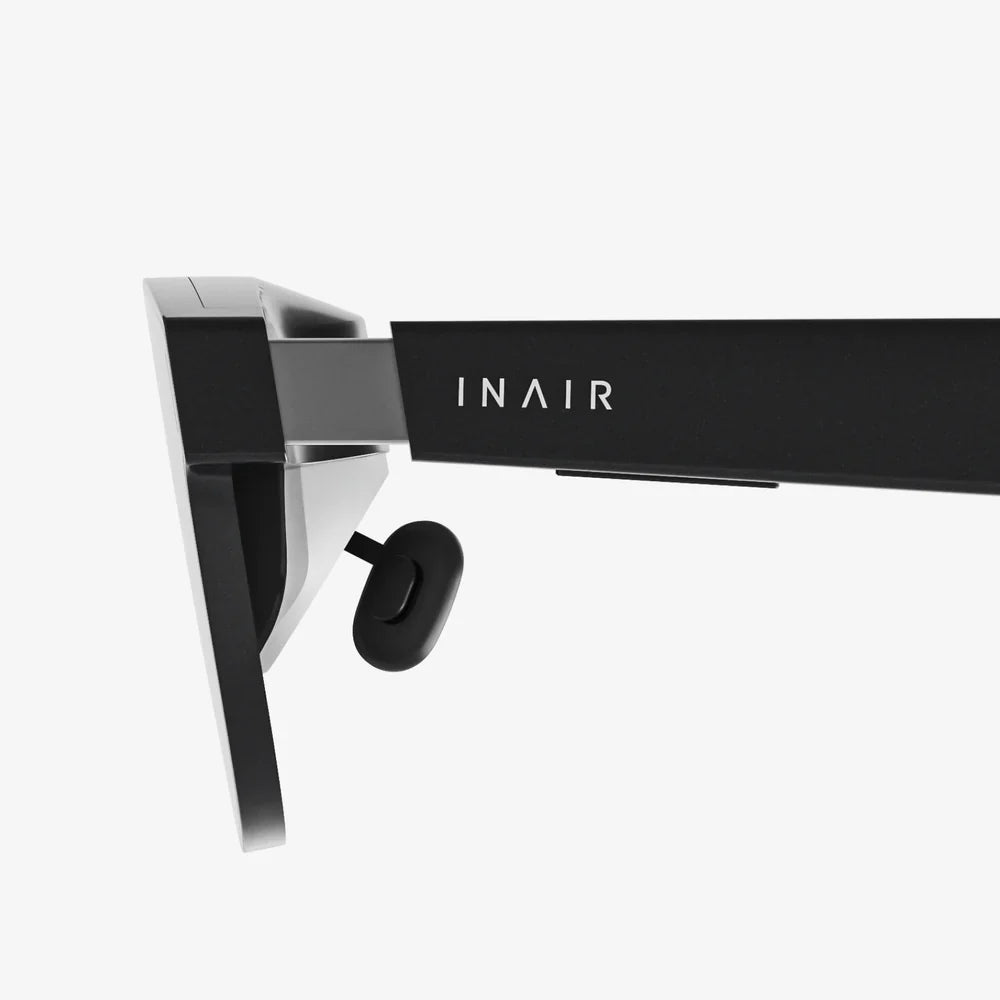
Perhaps the most sought-after holy grail in AR hardware is the development of true consumer smart glasses. The industry is moving toward sleek, lightweight form factors that resemble everyday eyewear. The challenge of projecting bright, full-color images onto transparent lenses in broad daylight remains significant, but recent breakthroughs in waveguide and micro-LED display technology suggest that stylish and powerful AR glasses are closer than ever to becoming a consumer reality.
Powerful hardware is useless without compelling software. The content ecosystem for XR is expanding beyond games to include rich, experiential applications that demonstrate the unique value of immersion.
Social VR platforms continue to grow, evolving into vibrant spaces for concerts, comedy shows, movie nights, and casual hangouts. These platforms are becoming more sophisticated, offering users extensive customization of their avatars and environments, which strengthens the sense of identity and community. The ability to share a virtual experience with friends, complete with natural body language and spatial audio, creates a powerful sense of connection that flat screens cannot replicate.
Education and training are experiencing a renaissance through immersive tech. Medical students can practice complex surgical procedures on virtual patients, history students can witness historical events unfold around them, and mechanics can train on virtual vehicle models. This experiential learning leads to significantly higher knowledge retention and skill acquisition compared to traditional methods. Furthermore, XR allows for the safe simulation of dangerous scenarios, from firefighting to high-stakes public speaking, providing a risk-free environment for practice and mastery.
The creative arts are also being transformed. New applications are empowering artists to sculpt in 3D space, musicians to compose in immersive environments, and filmmakers to storyboard and block scenes in virtual sets. XR is not just a new medium for consumption; it is a powerful new tool for creation, democratizing access to 3D design and offering entirely new canvases for artistic expression.
As with any transformative technology, the rapid ascent of VR, AR, and XR brings a host of complex challenges that society must confront.
Privacy and data security sit at the forefront. These devices are data collection powerhouses, equipped with cameras, microphones, eye-tracking, and detailed mapping sensors that constantly scan and interpret the user's environment. This raises critical questions: Who owns the 3D map of your home? How is your biometric data, like your gaze patterns and emotional responses, being used? The industry is grappling with establishing ethical frameworks and robust regulations to prevent misuse and protect user privacy before these devices become ubiquitous.
Accessibility and the digital divide remain significant hurdles. The cost of high-end equipment, combined with the need for robust internet connectivity, could prevent large segments of the population from participating in this new digital layer of society. Furthermore, developers must prioritize inclusive design from the ground up, ensuring experiences are accessible to users with different physical abilities and neurological needs, preventing the creation of a new exclusive digital realm.
Finally, the long-term psychological and societal effects of blending realities are still unknown. How will prolonged immersion in virtual environments affect our perception, social skills, and connection to the physical world? While the potential for positive impact in connection and empathy is vast, the potential for new forms of addiction, escapism, and reality distortion must be carefully studied and mitigated through responsible design and digital literacy education.
The lines between our digital and physical lives are not just blurring—they are being deliberately and expertly woven together. The latest news from the VR, AR, and XR space points to a future not of isolation, but of enhanced connection and understanding. This is a revolution happening in research labs, on factory floors, and in creative studios, and it's inviting us all to reimagine what's possible. The gateway to this blended world is open wider than ever before; the next step is to walk through it and see what we can build together.
Share:
The Rise of Augmented Reality: Blending Our Digital and Physical Worlds
The Rise of Augmented Reality: Blending Our Digital and Physical Worlds