


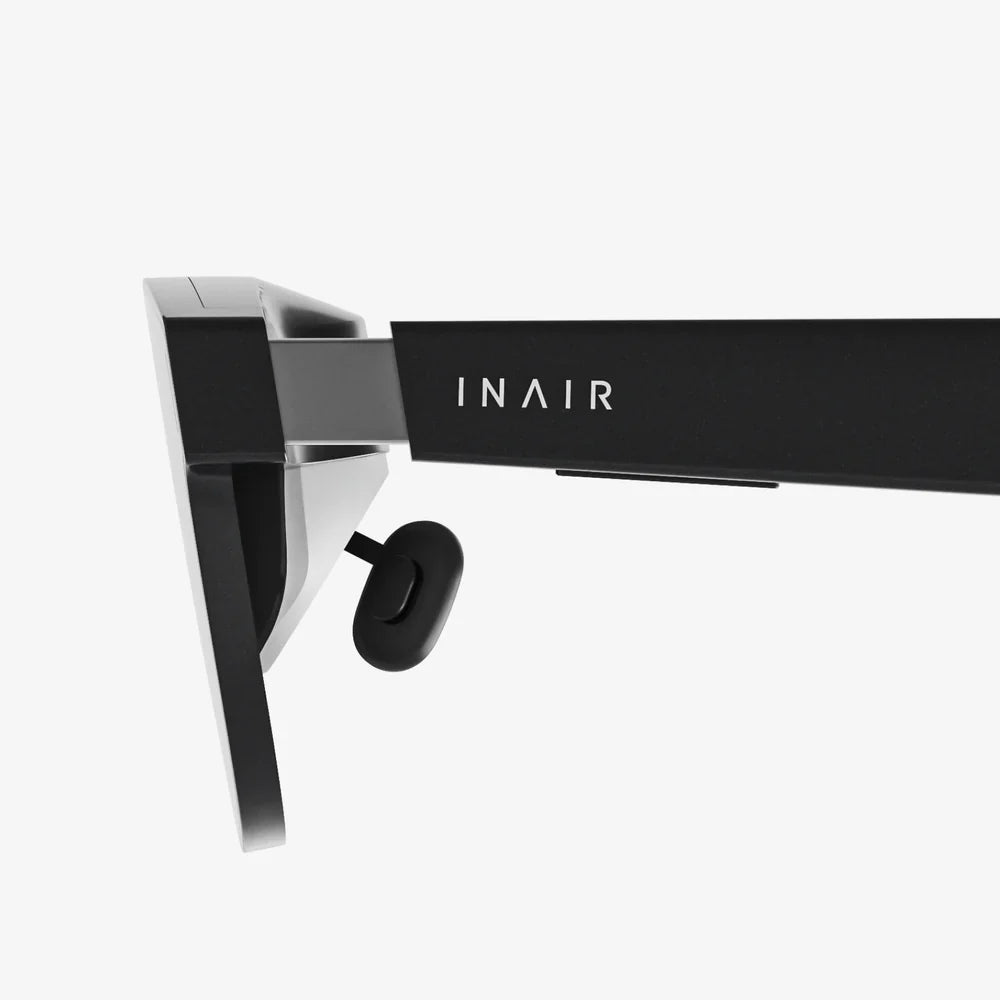
Imagine slipping on a pair of sleek, lightweight goggles and instantly being transported to a front-row seat at a concert on the other side of the world, a meticulously recreated ancient Roman city, or a training simulation indistinguishable from reality. This is no longer the stuff of science fiction. The latest generation of VR goggles is here, and it’s not just an incremental update—it’s a paradigm shift, redefining what’s possible in digital immersion and pushing the boundaries of our perception.
The Evolution of Sight: A Leap in Visual Fidelity
The single most dramatic improvement in the latest VR goggles is the monumental leap in visual clarity. Early adopters of VR will remember the distinct "screen door effect," a visible grid of lines between pixels that constantly reminded users they were looking at a screen. That era is now firmly in the past.
Modern headsets boast incredibly high-resolution displays, often with pixel densities that make individual pixels nearly impossible to discern. With resolutions pushing 4K per eye and beyond, the virtual world appears sharp, crisp, and breathtakingly real. This is complemented by advancements in lens technology. Newer, more sophisticated pancake lenses are replacing the older Fresnel lenses, offering a much larger "sweet spot" of clarity, drastically reduced god rays and glare, and a significantly slimmer overall profile for the headset itself. The result is an experience where the technology fades into the background, allowing the virtual experience to take center stage.
Furthermore, high refresh rates, now standard at 90Hz and often reaching 120Hz or even higher, ensure buttery-smooth motion. This is critical for combating simulation sickness and selling the brain on the illusion of being in a moving, living world. When combined with High Dynamic Range (HDR) capabilities, which provide a wider range of colors and deeper contrasts between light and dark, the visual experience is not just immersive; it's often more vivid and compelling than the real world.
Blurring the Lines: Mixed Reality and Passthrough Technology
While full virtual immersion is a powerful draw, the latest VR goggles are breaking down the walls between the digital and the physical through sophisticated Mixed Reality (MR) and passthrough features. Using high-resolution color cameras mounted on the front of the headset, these devices can now stream a live video feed of your actual surroundings directly to the displays inside the goggles.
This isn't the grainy, black-and-white safety view of older models. This is a full-color, real-time video representation of your room. On top of this video feed, digital objects can be anchored and interacted with. Imagine practicing a guitar lesson with a holographic instructor sitting on your couch, designing a new piece of furniture and seeing it photorealistically placed in your living room at scale, or playing a digital board game that appears to be sitting on your actual coffee table. This seamless blending of realities, known as mixed reality, is arguably the most significant innovation in this hardware cycle. It transforms the headset from a device solely for escape into a tool for enhancing everyday life, making it more practical for productivity, social connection, and creative expression within your existing space.
The Form Factor Revolution: Comfort and Freedom
The clunky, cumbersome, and wired VR headsets of yesteryear are being phased out. The latest VR goggles prioritize comfort and usability above all else. There is a clear industry-wide push towards wireless standalone units. These all-in-one devices contain the processor, battery, and sensors within the headset itself, completely untethering the user from a powerful, expensive external computer. This freedom of movement is transformative, allowing users to spin, crouch, and move naturally without the constant fear of tripping over a cable.
Concurrently, a massive effort has been made to reduce the size and weight of the hardware. Through the use of those advanced pancake lenses and more efficient internal components, new headsets are significantly smaller, lighter, and better balanced. Weight distribution is carefully engineered to avoid pressure on the face, often shifting the battery to the back of the headstrap to create a counterweight. This makes extended play sessions or using the headset for work much more comfortable and sustainable. The goal is clear: to make the hardware feel like a natural pair of goggles, not a heavy helmet.
Intuitive Control: Beyond the Gamepad
Interaction within virtual spaces has evolved dramatically. The latest systems have largely moved beyond traditional gamepads, instead relying on sophisticated inside-out tracking. This technology uses cameras and sensors on the headset itself to map the environment and track the position of the controllers—and more importantly, the user's hands—without any external base stations or lighthouses.
The most advanced development in this area is the move towards controller-free hand tracking. High-fidelity cameras can now see your bare hands, translating your finger movements, pinches, and gestures directly into the virtual world with remarkable accuracy. You can push buttons, grab objects, and manipulate interfaces with your actual hands, making interactions feel incredibly natural and intuitive. This eliminates a significant barrier to entry and is a huge step towards making VR feel like a truly seamless extension of our own agency. Voice command integration further enhances this hands-free potential, allowing users to navigate menus, launch applications, and search for content simply by speaking.
The Software Ecosystem: Building the Metaverse
Powerful hardware is meaningless without compelling software. The ecosystem surrounding the latest VR goggles is richer and more diverse than ever. The library of games has expanded from novel tech demos to full-fledged, AAA-quality experiences with deep narratives, complex mechanics, and hundreds of hours of gameplay. These are complemented by incredibly social experiences, from virtual movie theaters and concert venues to collaborative workspaces and casual hangouts.
Beyond entertainment, the push for productivity and utility is stronger than ever. The latest headsets are being marketed as tools for remote work, offering virtual monitors that can be arranged in any configuration, immersive training simulations for high-risk jobs, and 3D design and architecture applications where creators can sculpt and model in real space. The concept of the "metaverse"—a persistent, interconnected network of virtual spaces—is being built on the foundation of this hardware. While still in its early stages, the latest goggles are the first devices that feel capable of delivering on that promise, offering the visual fidelity, comfort, and intuitive interaction needed to make prolonged virtual presence a reality.
Challenges and Considerations on the Horizon
Despite the phenomenal progress, the industry still faces significant challenges. Battery life remains a constraint for wireless standalone devices, with most offering only two to three hours of intensive use. This can limit longer sessions and is a key area for improvement in future iterations.
There is also the ongoing question of accessibility and cost. While prices are slowly coming down, high-end VR equipment still represents a significant investment for the average consumer. Furthermore, the concept of the metaverse raises important questions about data privacy, digital identity, and the potential for new forms of social isolation. As the technology becomes more integrated into our daily lives, establishing ethical guidelines and ensuring equitable access will be crucial for its healthy development.
The Future is Already Here
We are standing at the precipice of a new computing paradigm. The latest VR goggles are no longer a niche toy for gamers and tech enthusiasts. They are a glimpse into a future where our digital and physical lives are not separate, but intertwined. They are powerful portals for storytelling, connection, creation, and exploration. The resolution is so clear, the interaction so natural, and the potential so vast that it forces a fundamental re-evaluation of what this technology is and who it is for. This isn't just the next step; it's the moment VR grew up and became something everyone will need to experience to believe.
This new wave of hardware is more than an upgrade; it's an invitation. An invitation to architects to walk clients through unbuilt homes, to doctors to practice complex procedures risk-free, to families separated by oceans to share a living room, and to anyone with curiosity to explore the limits of human imagination. The door to these impossible experiences is now open, and all it takes is putting on a pair of goggles.
Share:
Problems with Augmented Reality Glasses: Navigating the Hurdles on the Path to Ubiquity
Problems with Augmented Reality Glasses: Navigating the Hurdles on the Path to Ubiquity