


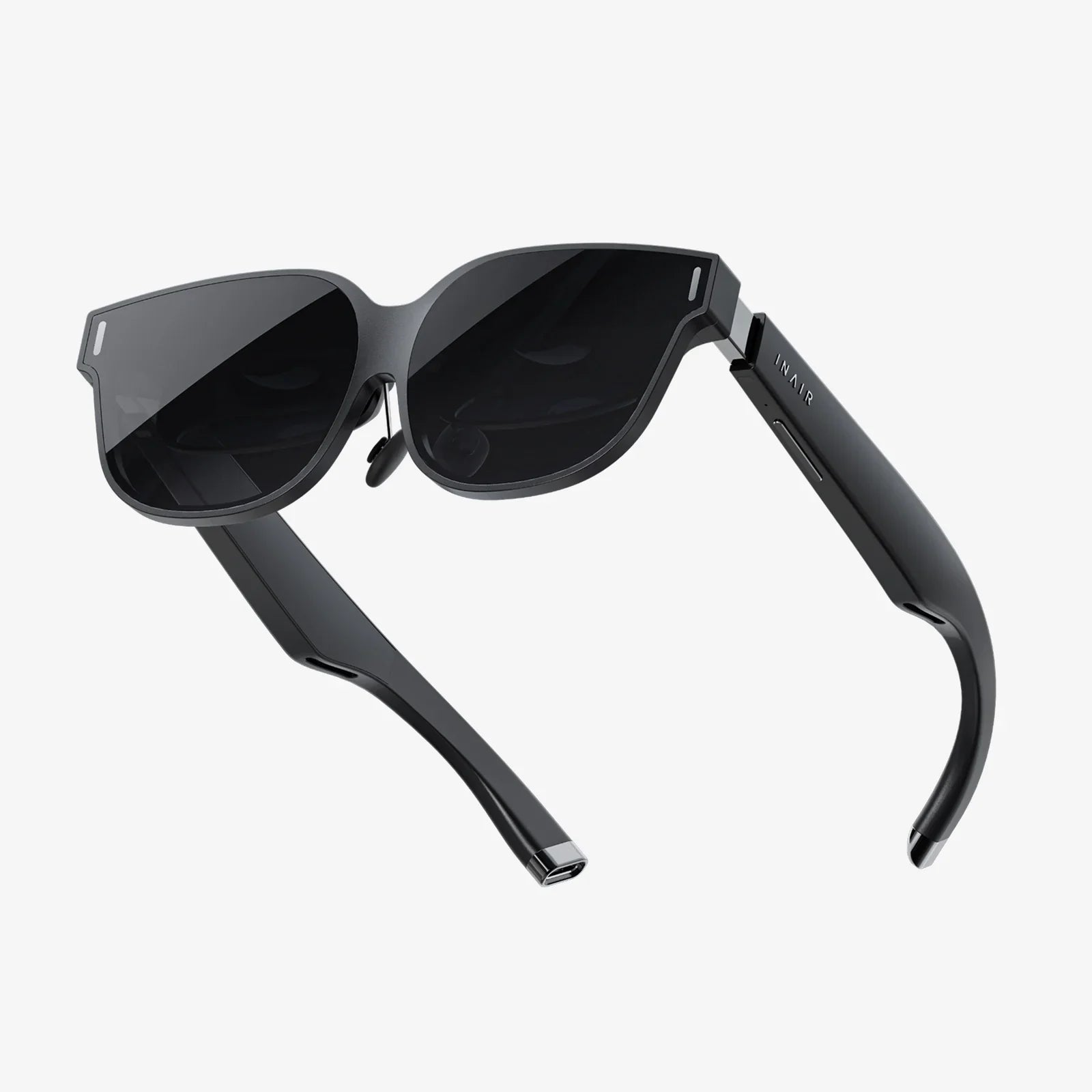
Imagine stepping through a digital portal into a world limited only by the imagination, where every detail is rendered in breathtaking clarity and your every movement is tracked with imperceptible precision. This is no longer the stuff of science fiction; it is the promise delivered by the latest generation of VR headsets designed for the raw power of the modern personal computer. The pursuit of the ultimate virtual reality experience is driving a technological revolution, and for those with a capable gaming rig, the door to these new realities has never been more inviting. The journey from clunky prototypes to the sleek, high-fidelity marvels of today represents one of the most exciting evolutions in consumer technology, and it's all happening right now.
The Engine of Immersion: Unpacking the Core Technologies
What truly separates the latest PC VR headsets from their predecessors and standalone counterparts is a relentless focus on technological excellence across several key fronts. It's a symphony of advanced components working in perfect harmony to trick your senses into believing the unbelievable.
Visual Fidelity: A Leap Into clarity
The single most significant upgrade in new models is the display technology. We have moved far beyond the dreaded "screen door effect" of early headsets.
- Resolution and PPI: Modern headsets feature stunning per-eye resolutions that often exceed 2K, combined into a single vista that can reach 4K and beyond. This massive pixel count, packed into high-density displays, creates a razor-sharp image that is the foundation of presence.
- Lens Engineering: Advanced, custom-engineered Fresnel or novel pancake lenses provide a vastly improved sweet spot, reducing god rays and distortion at the edges. This allows for a clearer picture across a wider field of view, which itself has expanded to more natural and immersive levels, often approaching 120 degrees or more.
- High Refresh Rates: The latest headsets support refresh rates of 90Hz, 120Hz, and even 144Hz. This fluidity of motion is critical for comfort and realism, eliminating judder and making fast-paced action smooth and manageable for the brain.
Precision Tracking: Mastering Movement
Accurate tracking is what makes VR interactive. The latest systems offer a choice of sophisticated methods.
- Inside-Out Tracking: This has become the gold standard for convenience. Using multiple wide-angle cameras embedded on the headset itself, it maps the room and tracks the controllers without any external beacons or sensors. The algorithms have become so advanced that tracking is now rock-solid, even behind the user's back or close to the face.
- Outside-In Tracking: For the absolute pinnacle of precision, especially for professional applications or competitive gaming, some systems still utilize external base stations. These units paint the room with invisible lasers, allowing for sub-millimeter accuracy of the headset and peripherals, capturing every subtle movement with flawless fidelity.
Ergonomics and Comfort: Designed for Long Sessions
Manufacturers have finally embraced that immersion is broken by discomfort. The latest designs are lighter, better balanced, and feature sophisticated weight distribution.
- Modular Design: Many new headsets offer interchangeable facial interfaces, optional top straps, and customizable headstraps (often rigid halo-style or elite-style designs) to achieve a perfect, comfortable fit for a wide range of head shapes.
- Built-in Audio: High-quality, off-ear speakers are now common, providing spatial 3D audio that feels like it's coming from the environment itself, without the hassle of separate headphones and without isolating the user from their real-world surroundings completely.
- Ventilation and Materials: Improved airflow design and anti-microbial, breathable fabrics help manage heat and moisture, making multi-hour adventures in VR far more pleasant.
The PC Partnership: Harnessing Raw Power
A standalone headset is a marvel of miniaturization, but a PC VR headset is a high-performance peripheral that taps into a vast reservoir of computing power. This partnership is what enables the experiences that define the cutting edge.
Hardware Requirements: Building Your VR Rig
To drive these high-resolution displays at high frame rates, a capable computer is non-negotiable. While minimum specifications exist, the true experience is unlocked with recommended or high-end hardware.
- GPU (Graphics Card): The heart of the VR system. A powerful modern graphics card is essential for rendering two high-resolution displays at framerates exceeding 90 FPS. Features like dedicated VR cores and technologies that reduce latency are key advantages.
- CPU (Processor): A strong multi-core processor handles the physics, AI, and complex logic of the virtual world, ensuring the environment responds seamlessly to your actions.
- Ports and Connectivity: Many new headsets utilize a single USB-C cable that handles data, video, and power, simplifying setup. Some even support the latest high-speed protocols for maximum bandwidth and minimal compression. Wireless adapter kits also remain a popular option for untethered freedom with PC-grade graphics.
Software and Ecosystem: The Gateway to Worlds
The hardware is nothing without the software. The PC VR ecosystem is vast and deeply integrated with major gaming platforms.
- Platform Stores: Vast digital storefronts offer thousands of experiences, from massive AAA titles and intricate simulations to creative tools and social spaces.
- Performance Tools: PC users benefit from advanced software tools that allow for supersampling (rendering at higher than native resolution for a cleaner image), motion smoothing, and detailed performance overlays to fine-tune their experience.
- Modding and Customization: The open nature of PC gaming means a vibrant modding community exists for many VR titles, adding new life, features, and content that simply aren't possible on closed platforms.
Beyond Gaming: The Expansive Universe of PC VR
While gaming is the most famous application, the power of a PC VR headset unlocks a much broader range of transformative experiences.
- Professional Design and Architecture: Architects walk clients through photorealistic renders of unbuilt homes. Engineers examine full-scale 3D models of complex machinery. The ability to inhabit a design is revolutionizing prototyping and review processes.
- Social Connection and Virtual Meetings: Platforms have evolved into sophisticated virtual meeting spaces where avatars can convey body language and expression, making remote collaboration feel more human and present than a grid of video feeds.
- Fitness and Health: High-intensity VR fitness apps turn workouts into engaging games, tracking calories burned and performance metrics, all while you slash through rhythm-based patterns or climb mythical mountains.
- Cinematic Experiences: Imagine watching a film on a virtual IMAX screen or being placed inside the narrative of a 360-degree movie. PC VR is the ultimate media consumption device.
Choosing Your Portal: Considerations Before You Buy
Selecting the right headset is a personal decision based on your priorities, PC hardware, and budget.
- Visual Prowess vs. Cost: The headsets with the absolute highest resolutions and advanced features command a premium. Determine what level of visual quality is a must-have versus a nice-to-have.
- Tracking Philosophy: Do you value the flawless, set-and-forget convenience of inside-out tracking, or do you require the pinpoint, expansive tracking of external base stations for a dedicated play space?
- Comfort and Fit: If possible, try before you buy. The best specs in the world are worthless if the headset is uncomfortable for you personally. Weight distribution and facial interface design are critical.
- Controller Design: The ergonomics, button layout, and haptic feedback quality of the controllers are your primary connection to the virtual world. Ensure they feel intuitive and responsive.
- Future-Proofing: Consider features like eye-tracking, which enables foveated rendering (a massive performance booster by rendering only where you look in full detail) and more expressive avatars. This is increasingly becoming a key differentiator.
The frontier of virtual reality is being drawn by the relentless pace of innovation in PC-powered headsets. They are not merely gaming peripherals; they are the most advanced consumer portals into digital worlds ever created. With resolutions that dissolve into reality, tracking that perfectly mirrors your intent, and the sheer computational might of a gaming rig behind them, these devices are finally delivering on the profound promise of true immersion. The question is no longer if the technology is ready, but which incredible reality you will choose to step into first.
Share:
VR Headset for Smartphones: Your Pocket Portal to Virtual Worlds
How Long Does It Take For My VR Headset To Charge: A Complete Guide To Powering Up Your Virtual World