


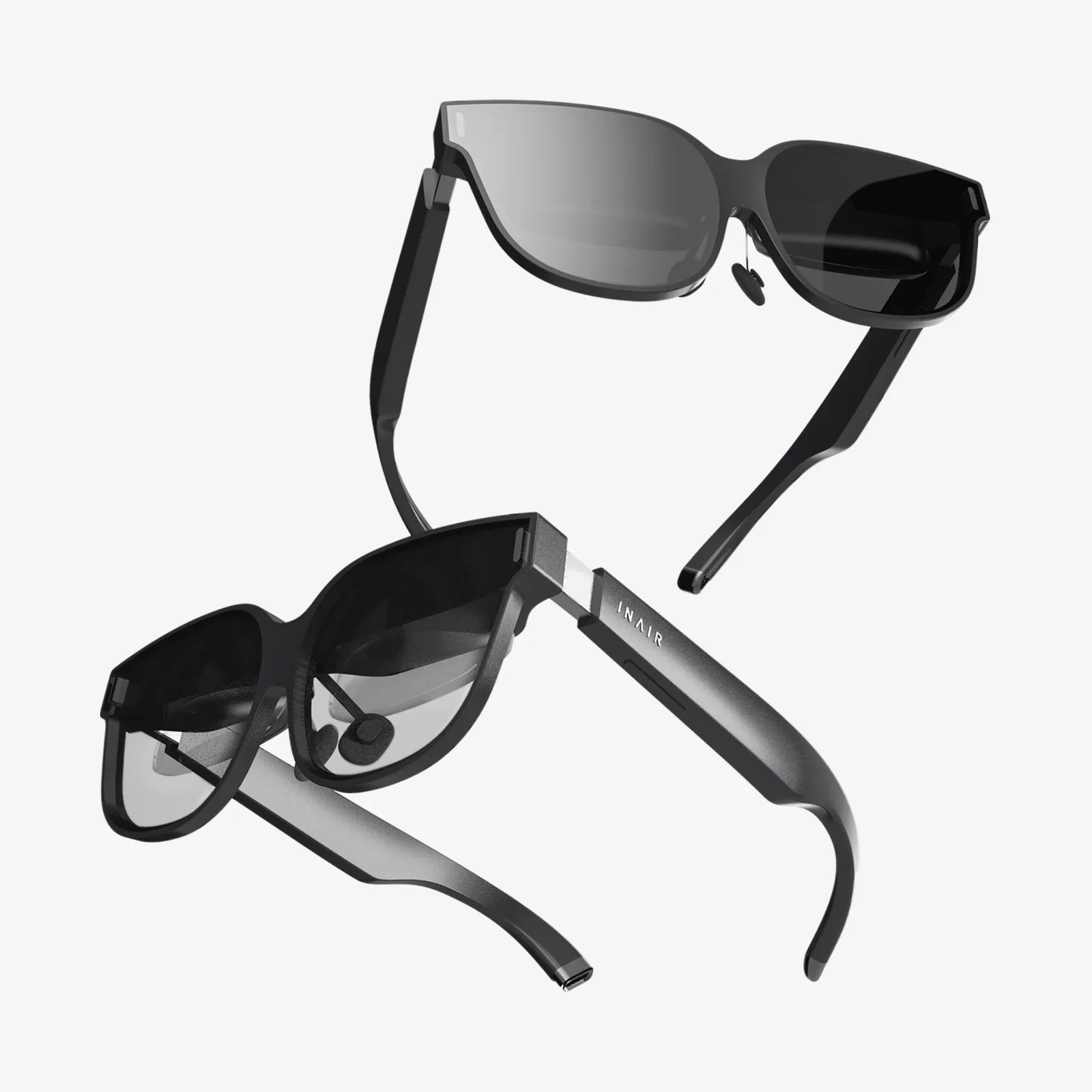
Imagine slipping a lightweight visor over your eyes and instantly being transported—to the front row of a concert, the surface of Mars, or the depths of the ocean. This isn't science fiction; it's the everyday magic unlocked by a VR headset for smartphones, the most accessible gateway to virtual worlds ever created. This technology has democratized VR, transforming the powerful computer in your pocket into a window to limitless experiences. For anyone curious about virtual reality but hesitant about complex and expensive setups, the smartphone VR headset stands as an inviting and revolutionary entry point.
The Democratization of Dreamscapes: How It All Works
At its core, a VR headset for smartphones is an elegantly simple piece of hardware. It's a shell, a pair of high-quality lenses, and a method to securely hold your device. The real genius lies in its symbiotic relationship with your phone. Your smartphone provides all the essential components: the high-resolution display, the powerful processor, the motion sensors (gyroscope, accelerometer), and often the headphones for spatial audio. The headset's job is to harness these components, dividing the screen into two distinct images—one for each eye—and using the lenses to warp and focus these images, creating a stereoscopic 3D effect that fills your entire field of view.
The motion tracking is what sells the illusion. As you turn your head, the phone's internal sensors detect these movements in real-time, and the software instantly adjusts the virtual camera's perspective. This creates the critical sensation of presence—the feeling that you are actually inside the digital environment, not just observing it on a screen. This low-latency tracking is what separates a truly immersive VR experience from a simple 360-degree video viewer.
A Spectrum of Experiences: From Cardboard to Comfort
The market for these headsets is diverse, catering to every level of interest and budget. On one end, you have innovative, low-cost options made primarily from cardboard or plastic. These rely on the user to insert their phone manually and often feature a basic magnetic or capacitive trigger for interaction. They served as a brilliant proof-of-concept, introducing millions to VR for the first time.
On the more advanced end, there are headsets that incorporate significant quality-of-life improvements. These often feature:
- Integrated Head Straps: For comfortable, hands-free extended use.
- Adjustable Lenses: Dials to adjust the lens distance (interpupillary distance) and focus, accommodating a wider range of eyesight and reducing eye strain.
- Built-in Controllers: Some models include basic Bluetooth controllers, moving beyond simple gaze-based interaction to allow for pointing, selecting, and manipulating virtual objects.
- Improved Ventilation and Materials: To combat lens fogging and enhance comfort during longer sessions.
This spectrum ensures there's a headset for everyone, from the curious first-timer to the enthusiast seeking a more refined experience without a PC tether.
Beyond Gaming: The Expansive Universe of Mobile VR Content
While gaming is a massive draw, the library of content available for smartphone VR is astonishingly broad. App stores are filled with applications that leverage the unique potential of immersive technology.
Education and Exploration
Imagine a history class where students can take a virtual tour of ancient Rome, walking through the Forum and gazing up at the Colosseum. Biology students can step inside a human cell, watching organelles function in a dynamic, 3D space. Applications offer guided tours of world museums, immersive documentaries that place you in the heart of the story, and astronomical experiences that let you navigate the solar system. This is learning made visceral and unforgettable.
Social Connection and Storytelling
VR is inherently isolating, but it can also be profoundly connective. Social VR platforms allow users to meet friends in virtual spaces as customizable avatars. You can watch movies together in a virtual cinema, play board games in a digital living room, or simply hang out and chat as if you were in the same room, despite being continents apart. Furthermore, filmmakers and journalists are experimenting with immersive 360-degree storytelling, creating empathetic experiences that place you directly in someone else's shoes.
Productivity and Design
For architects and designers, smartphone VR can be a powerful preview tool. 3D models of buildings or products can be loaded into a VR app, allowing creators and clients to experience the scale and spatial relationships of a design long before anything is built. It's a transformative tool for prototyping and presentation.
Choosing Your Portal: A Buyer's Guide
With so many options, selecting the right headset requires considering a few key factors. Your choice will define your experience.
- Phone Compatibility: This is the most crucial step. Check the headset's specifications for supported phone models and screen sizes. A phone that is too small will leave you with a distracting "binocular" effect, while one that is too large may not fit. Ensure your phone's gyroscope sensor is functional, as it is non-negotiable for head tracking.
- Comfort is King: If you plan on using it for more than a few minutes, a headset with a secure strap system is essential. Look for padded forehead rests and adjustable straps that distribute weight evenly. A comfortable headset is one you'll use again and again.
- Interaction Methods: Consider how you want to interact with the virtual world. Are you satisfied with gazing at menus, or do you want a controller for more active games and experiences? Many headsets are compatible with standard Bluetooth gamepads.
- Field of View (FOV): A wider FOV means a more immersive experience with less of the "looking through binoculars" feeling. Higher-end mobile headsets offer a noticeably better FOV than the most basic models.
- Future-Proofing: While the technology is accessible, it's worth considering if you want features like adjustable lenses for a clearer image or a design that can accommodate a range of phone models you might own in the future.
Limitations and The Road Ahead
It's important to understand that smartphone VR is an entry-level technology. It has inherent limitations compared to dedicated, high-end VR systems powered by powerful PCs or consoles. The graphical fidelity is limited by your phone's processing power and thermal throttling. Experiences are generally less complex and shorter. Positional tracking—the ability to lean in, duck, or walk around—is rare or limited on mobile platforms, as it requires external sensors that these headsets lack.
However, the trajectory is incredibly exciting. As smartphones become ever more powerful, with better screens, faster chips, and improved battery efficiency, the quality of mobile VR experiences will continue to soar. The line between standalone VR and smartphone-powered VR may continue to blur, with headsets potentially acting as dumb terminals for wirelessly streaming content from our phones. The future promises even more seamless, high-fidelity, and accessible immersive experiences, all powered by the device we already carry everywhere.
The true power of a VR headset for smartphones isn't just in the technology itself, but in its universality. It turns a ubiquitous device into a factory of wonder, a classroom without walls, and a teleporter to anywhere. It asks a simple question: what worlds are waiting to be discovered, right there in your pocket? The only thing you need to do is take the plunge, slide your phone into its slot, and see for yourself.
Share:
Cheapest Stand Alone VR Headset - Your Ultimate Guide to Affordable Immersion
Latest VR Headset for PC: The Ultimate Immersive Experience Awaits