


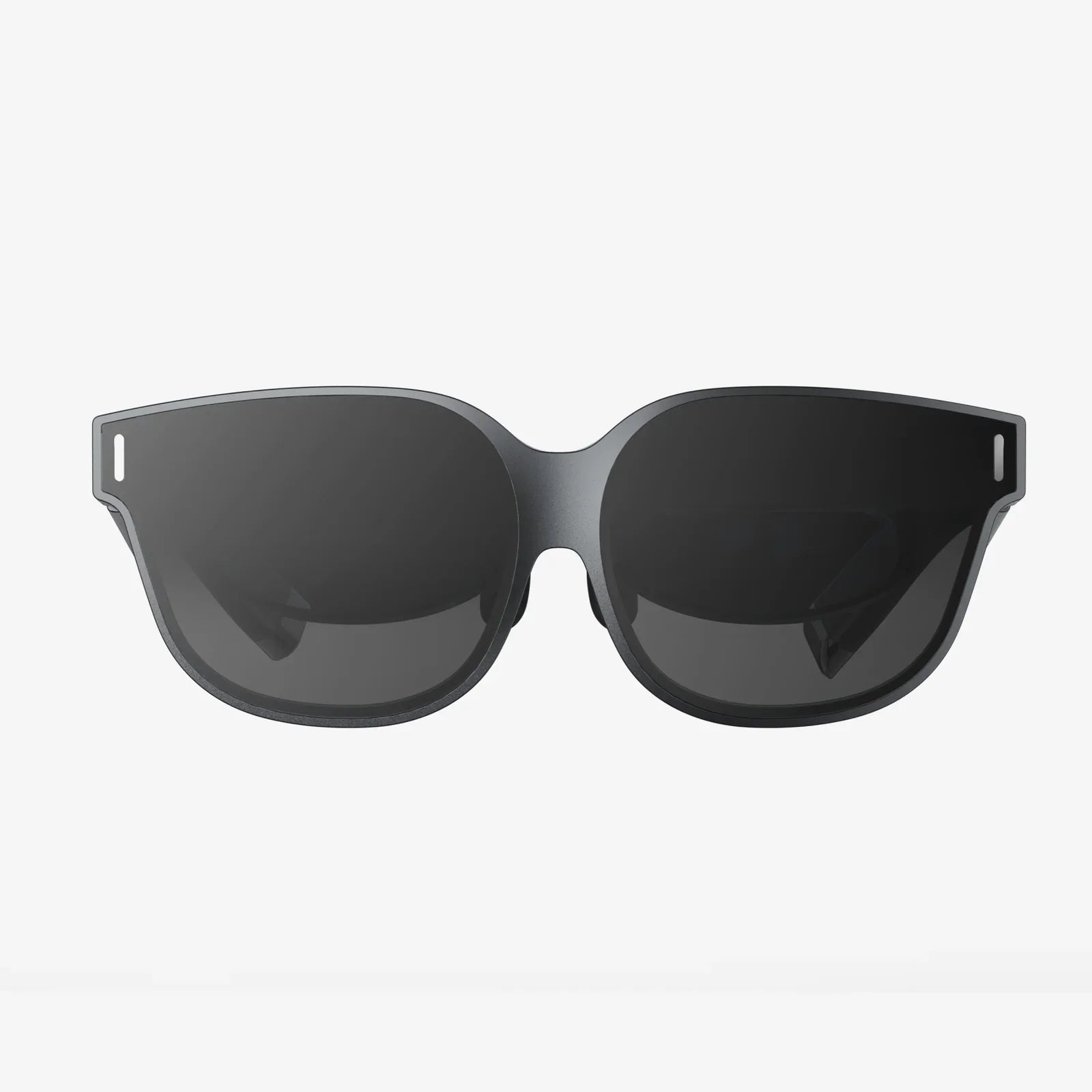
Stepping into a virtual world has never been more tantalizing, but the burning question on everyone's mind is: what does it cost to dive into the metaverse today? The landscape of virtual reality is evolving at a breakneck pace, and with it, the latest VR headset price tags are painting a fascinating picture of a market in flux. Gone are the days of a single, prohibitively expensive entry point; today's spectrum offers everything from surprisingly affordable portals to cutting-edge, high-fidelity systems that command a premium. Understanding this pricing matrix is the key to unlocking an experience tailored to your desires and, crucially, your budget.
The Expanding VR Ecosystem and Its Price Tiers
The once-niche world of VR has exploded into a diverse ecosystem, and this diversification is directly reflected in the cost of admission. We can broadly categorize the latest offerings into three distinct tiers, each catering to different user needs and financial commitments.
1. The Budget-Conscious Entry Point
For many, the journey begins here. This tier is dominated by headsets that prioritize accessibility and ease of use, often functioning as a powerful accessory for a device you already own, like a modern smartphone or a gaming console. The latest VR headset price in this category can be startlingly low, sometimes falling well under a few hundred dollars. These devices are fantastic for casual gaming, immersive 360-degree videos, and introductory social VR experiences. They prove that you don't need to break the bank to get a taste of virtual reality. However, the lower price point often means compromises in areas like processing power, display resolution, and tracking fidelity, as the heavy lifting is done by the connected device rather than the headset itself.
2. The Standalone Mid-Range Powerhouses
This is arguably the most competitive and popular segment of the market. Standalone headsets represent a fantastic 'sweet spot,' offering a complete, all-in-one package with no need for a powerful external computer or console. The latest VR headset price for these wireless wonders typically ranges from the high hundreds to a thousand dollars. This investment buys you complete freedom—untethered from cables, you can explore virtual spaces anywhere you have room to move. These devices pack their own processors, memory, and batteries, delivering a robust and consistent experience that includes advanced inside-out tracking, high-resolution displays, and a growing library of dedicated software. For the vast majority of consumers seeking a premium experience without the extreme cost and complexity of a PC-tethered setup, this tier is the destination.
3. The High-End PC-VR Experience
At the apex of the VR pyramid sit the flagship headsets designed for enthusiasts, professional developers, and hardcore gamers. The latest VR headset price here is a significant investment, often matching or exceeding the cost of a high-performance gaming PC itself. These devices are not standalone; they are tethered to a top-tier computer that provides the immense graphical and computational horsepower required to drive their ultra-high-resolution displays, wide field-of-view, and advanced features like eye-tracking and facial expression capture. The experience is unparalleled—the visual fidelity, responsiveness, and immersion are the best the consumer market has to offer. This tier is for those who demand the absolute cutting edge and for whom budget is a secondary concern to performance.
Key Factors Influencing the Latest VR Headset Price
Why does the cost vary so dramatically? Several core technologies and components directly impact the manufacturing cost and, consequently, the retail price.
Display Technology and Resolution
The screens inside the headset are arguably the most critical component. The shift from older LCD panels to modern Fast-Switch LCDs and, more recently, to advanced OLED and Micro-OLED displays has been a major driver of both quality and cost. Higher resolutions (often measured in pixels-per-inch or PPI) drastically reduce the 'screen-door effect' and increase clarity, but they require more powerful processors to render content at that resolution. Pancake lenses, which allow for a much slimmer and lighter headset design, are another advanced optical technology that adds to the cost but significantly improves comfort and visual quality.
Processing Power and Internal Hardware
For standalone headsets, the integrated System-on-a-Chip (SoC) is the brain of the operation. The latest generations of these chips, designed specifically for the intense demands of VR, are marvels of mobile engineering. They handle everything from rendering complex 3D environments to managing sophisticated tracking algorithms. A more powerful and efficient chipset directly translates to a smoother, more visually impressive experience and a higher manufacturing cost.
Tracking and Controllers
The method of tracking your movement and controllers is a huge differentiator. Early systems relied on external base stations placed around the room (outside-in tracking), which added to the cost and setup complexity. The industry has largely moved to inside-out tracking, where cameras on the headset itself map the environment and track the controllers. More cameras mean better tracking volume and fewer occlusions, but also increase the cost. The controllers themselves have also evolved from simple wands to sophisticated devices with haptic feedback, finger tracking, and ergonomic designs, all contributing to the final price.
Software, Ecosystem, and Brand Value
The price isn't just about hardware. A headset is a gateway to a platform. Investment in a robust operating system, exclusive software titles, and a thriving online storefront is immense. Some manufacturers may subsidize the hardware cost slightly, anticipating recouping that investment through software sales. Furthermore, established brands with a reputation for quality, reliability, and strong customer support can command a premium over newer entrants to the market.
Beyond the Initial Purchase: The Hidden Costs of VR
When considering the latest VR headset price, it's crucial to look beyond the sticker on the box. The total cost of ownership can include several other factors.
- Software and Games: Premium VR titles can cost anywhere from twenty to sixty dollars or more. A robust library can represent a substantial investment over time.
- Accessories: From additional face interfaces for hygiene to upgraded head straps for comfort, prescription lens inserts for those who wear glasses, and extra controllers, accessories can add hundreds of dollars to your total spend.
- The PC Requirement (For PC-VR): This is the big one. If you opt for a high-end tethered headset, you must already own or factor in the cost of a compatible gaming PC with a powerful dedicated graphics card, which can easily cost over a thousand dollars on its own.
- Storage: Higher-resolution games and experiences take up significant storage space. You may need to budget for a model with larger internal storage or invest in expandable storage solutions.
Is the Latest VR Headset Price Worth It? Matching the Tech to Your Needs
Value is subjective. The question isn't "Is VR expensive?" but rather "Is this specific level of VR investment worth it for me?"
A budget headset is worth every penny for a family wanting to try VR for the first time or for someone interested in media consumption. A mid-range standalone headset offers incredible value as a complete package for socializing, fitness, and a vast library of games. The high-end PC-VR segment is worth it only for those who already have the PC and crave the absolute pinnacle of visual and interactive fidelity, treating it as a premium hobby akin to sim racing or flight simulation.
The market's beauty lies in its stratification. There has never been a better time to find a headset that delivers the experience you want at a price you can justify. The competition is fierce, driving innovation while gradually making advanced features more accessible. The latest VR headset price is not a single number; it's a spectrum of possibilities, each opening a door to a different dimension of virtual experience.
Ultimately, the true cost of a VR headset is not just the number on the receipt—it's the investment in countless hours of exploration, connection, and wonder. As the technology continues to mature and prices stabilize across these tiers, the barrier to entry lowers, bringing immersive virtual experiences closer to mainstream adoption than ever before. The dream of having a holodeck in every home remains distant, but the latest generation of hardware proves we are stepping decisively in that direction, with options available for nearly every aspiring explorer.
Share:
To Announce AR Headset in January: The Dawn of a New Reality
VR Settings for Android: The Ultimate Guide to a Flawless Immersive Experience