


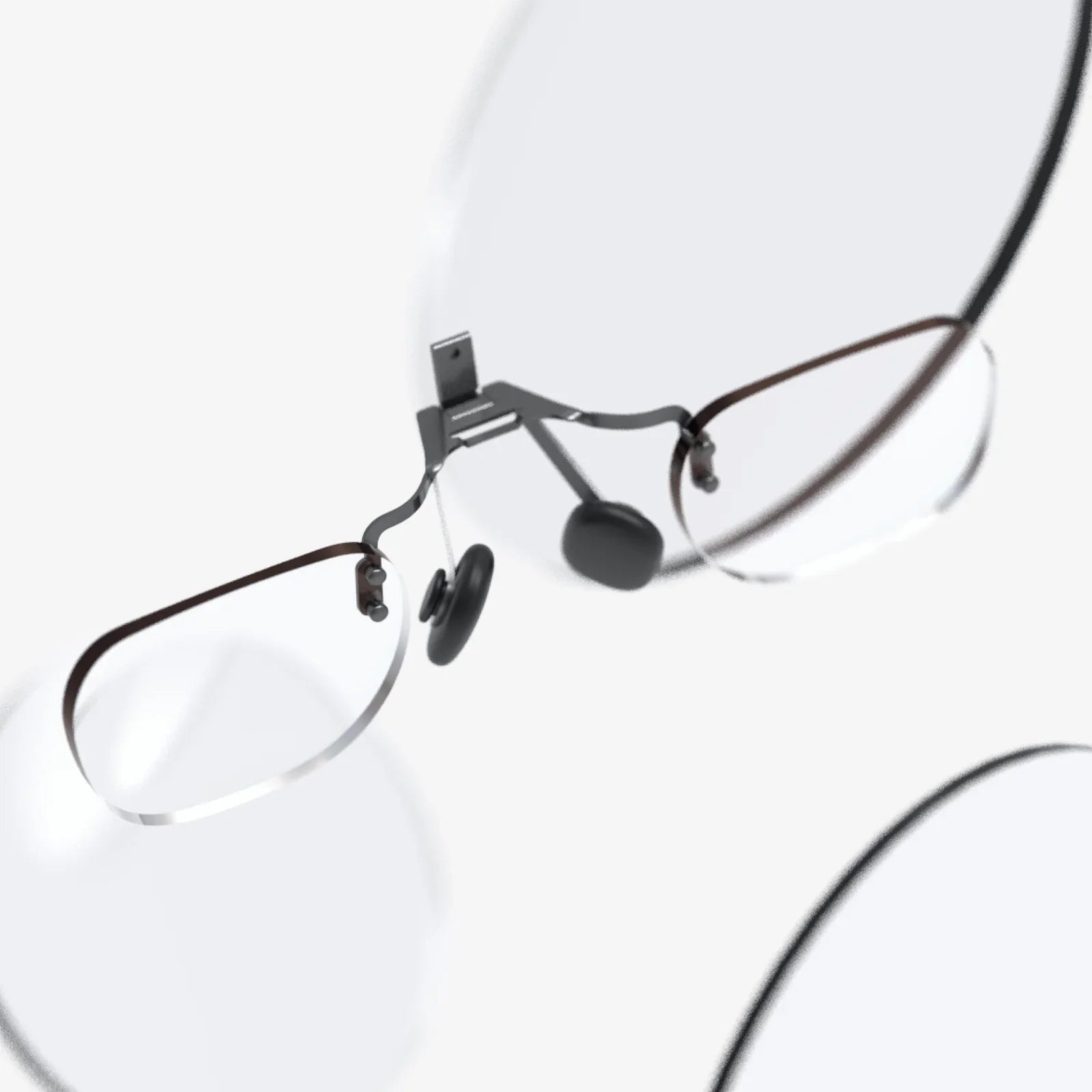
Imagine a world where your watch not only tells time but also saves it, where your glasses don’t just help you see but help you understand, and where a simple ring can unlock doors, authorize payments, and monitor your sleep. This isn't a glimpse into a distant sci-fi future; it's the reality offered by the current and ever-expanding list of smart wearable devices. This technology has seamlessly woven itself into the fabric of our daily routines, transforming how we communicate, manage our health, and interact with the world around us. The journey from simple pedometers to sophisticated AI-powered health companions is a fascinating story of innovation, and it’s one that is constantly being rewritten. The right wearable can feel like an extension of yourself, a silent partner in achieving your goals, and the first step is understanding the vast ecosystem that exists beyond the familiar smartwatch.
The Wrist-Worn Revolution: More Than Just Timekeeping
The wrist has become the prime real estate for wearable technology, offering a perfect blend of convenience, visibility, and accessibility. This category is dominated by two primary, yet often overlapping, types of devices.
Smartwatches: The Wrist-Worn Computer
Modern smartwatches are miniature computers strapped to your wrist. They serve as a secondary, highly accessible screen for your smartphone, but their capabilities extend far beyond mere notification mirroring.
- Core Functionality: Displaying calls, messages, emails, and app alerts. Many allow for quick replies via voice dictation, pre-set messages, or even a tiny keyboard.
- Health and Fitness Tracking: This is a cornerstone feature. They typically include an optical heart rate sensor, accelerometer, gyroscope, and often a blood oxygen (SpO2) monitor. Advanced models may include an electrocardiogram (ECG) app and skin temperature sensing.
- Connectivity and Control: They can control music playback on a paired phone, offer GPS navigation guidance, and in some cases, include cellular connectivity for operating independently of a phone.
- App Ecosystems: Support for third-party applications allows for immense customization, from productivity tools and travel aids to specialized workout programs.
Fitness Trackers (Activity Bands): The Focused Health Companions
While smartwatches do it all, fitness trackers prioritize health and activity metrics with a leaner feature set and often a longer battery life.
- Primary Focus: Accurately tracking steps taken, distance traveled, calories burned, and sleep stages (light, deep, REM).
- Design Philosophy: They are typically smaller, lighter, and more discreet than smartwatches, often featuring a simple LED or small OLED display designed for at-a-glance data.
- Target Audience: Ideal for fitness enthusiasts, individuals new to health tracking, or anyone who prefers a minimalist device dedicated to wellness without the distraction of constant notifications.
- Advanced Features: Many modern fitness bands have adopted features once reserved for smartwatches, like continuous heart rate monitoring, SpO2 tracking, and guided breathing sessions.
Beyond the Wrist: The Expanding Universe of Wearables
The innovation in wearables isn't confined to the arm. Technology is finding new, innovative form factors to integrate into our lives.
Smart Glasses and Augmented Reality (AR) Wearables
This category represents the next frontier, aiming to overlay digital information onto the real world, a concept known as augmented reality.
- Audio-Focused Smart Glasses: Some current iterations look like standard glasses but feature built-in speakers and microphones for handling calls and listening to music privately, without headphones.
- True AR Glasses: The holy grail of this category. These devices project holographic images, text, and data into the user's field of view. Potential applications are vast, ranging from turn-by-turn navigation displayed on the street in front of you to interactive repair instructions overlaid on machinery and immersive gaming experiences.
- Future Potential: The technology is rapidly evolving, with a focus on making the form factor smaller, the displays brighter, and the field of view wider to achieve mainstream adoption.
Smart Rings: Discreet and Powerful
Smart rings pack sensors into the smallest possible form factor, offering 24/7 wearability with a focus on health and authentication.
- Continuous Health Monitoring: Their primary strength is sleep tracking. Worn overnight, they can provide detailed insights into sleep quality, duration, and stages without the bulk of a wrist device. They also track resting heart rate, heart rate variability (HRV), and body temperature.
- Authentication and Control: A ring can act as a secure key for contactless payments, unlocking smart locks at home, or even logging into computers and cars.
- Advantages: Extreme discretion, long battery life (often a week or more), and no screen to distract from sleep.
Smart Clothing and Biometric Sensors
This category embeds technology directly into the fabric of what we wear, allowing for unparalleled biomechanical and physiological data collection.
- Smart Shirts and Vests: Garments with integrated ECG sensors can provide medical-grade heart rhythm data over extended periods, far superior to the intermittent readings from a watch. They are used by both athletes for performance optimization and patients for remote cardiac monitoring.
- Smart Socks and Shoes: These can analyze a runner's gait, foot strike pattern, and balance, providing feedback to prevent injury and improve technique.
- Stick-On Biometric Patches: Used primarily in clinical trials and hospital-at-home programs, these single-use or reusable patches can continuously monitor a suite of vital signs like temperature, respiratory rate, and activity levels, transmitting data directly to healthcare providers.
Hearables: Advanced Auditory Wearables
Moving beyond simple wireless earbuds for music, modern hearables are becoming powerful health and communication tools.
- Advanced Features: Active Noise Cancellation (ANC), Transparency Mode, and spatial audio are now common. Integrated sensors are enabling features like fitness tracking (using motion sensors) and hearing enhancement.
- Health Integration: Some earbuds now include heart rate sensors, taking readings from the ear canal, which can be a more stable and accurate location than the wrist during vigorous activity.
- Future Directions: Development is ongoing for features like real-time language translation and advanced hearing aid functionality, making them accessible tools for a wider audience.
Choosing Your Device: A Framework for Selection
With such a diverse list of smart wearable devices available, selecting the right one requires careful consideration of your individual needs and lifestyle.
Defining Your Primary Goal
Start by asking the fundamental question: What do I primarily want this device to do?
- General Health and Activity: A fitness tracker or a basic smartwatch will cover the fundamentals—steps, sleep, heart rate.
- Advanced Fitness and Athletic Training: Look for devices with robust built-in GPS for accurate pace and distance without a phone, advanced workout modes, and metrics like VO2 Max estimates and recovery tracking.
- Medical-Grade Insights: If you have specific health concerns like atrial fibrillation (AFib), a device with an approved ECG app and irregular heart rhythm notifications is crucial. Always consult a doctor for medical advice.
- Productivity and Connectivity: If you need to stay connected and manage tasks from your wrist, a full-featured smartwatch with a strong app ecosystem and cellular option is key.
- Discretion and Specialized Tracking: For unparalleled sleep data and a device you can forget you're wearing, a smart ring is an excellent choice.
Key Technical Considerations
- Battery Life: This is a major differentiator. Fitness trackers and smart rings can last a week or more. Full-color touchscreen smartwatches typically need a charge every day or two. Consider your tolerance for charging frequency.
- Compatibility: Most smartwatches and trackers are designed to work with a specific mobile operating system (e.g., iOS or Android). Ensure the device you choose is fully compatible with your smartphone.
- Sensors: Match the sensors to your needs. For general wellness, core sensors are enough. For advanced insights, look for SpO2, ECG, temperature, and (for athletes) altimeters and multi-band GPS.
- Design and Comfort: You'll be wearing this device constantly. Choose a size, weight, and band material (silicone, leather, metal, nylon) that feels comfortable and suits your style, whether you're in the boardroom or the gym.
- Ecosystem and Data: The companion app and the platform where your data is stored are just as important as the hardware. A clear, intuitive interface makes reviewing your trends and progress far more valuable.
The Future We Wear: Trends and Ethical Considerations
The evolution of wearables is accelerating, driven by advancements in sensor miniaturization, battery technology, and artificial intelligence.
Emerging Trends
- Non-Invasive Glucose Monitoring: The pursuit of a wearable that can continuously measure blood glucose levels without breaking the skin is the industry's biggest challenge. Success would be a monumental breakthrough for diabetics.
- Predictive Health and AI: Devices will move beyond reporting data to interpreting it. AI will analyze long-term trends in your heart rate, sleep, and activity to provide predictive insights, potentially alerting you to oncoming illness or health issues before symptoms appear.
- Greater Integration and Interoperability: The future lies in devices that don't just talk to your phone but to each other and your broader smart home ecosystem, creating a seamless, automated network of personal technology.
- Mental Health and Stress Management: Using metrics like HRV, sleep data, and skin temperature, wearables will offer more sophisticated tools for managing stress, tracking mood, and guiding meditation and breathing exercises.
Privacy, Security, and Data Ownership
As these devices collect increasingly intimate and sensitive data, critical questions arise.
- Data Security: Who has access to your health data? How is it encrypted and stored? Manufacturers must be transparent about their security practices to prevent sensitive information from being leaked or hacked.
- Data Ownership: Do you truly own the deep biological data your device collects? Terms of service need to be clear on how this data can be used, whether it can be sold to third parties, or used for insurance or advertising purposes.
- The Algorithmic Black Box: As AI provides more health recommendations, understanding the "why" behind an alert is crucial. Users and medical professionals need context, not just a notification, to make informed decisions.
The ultimate list of smart wearable devices is more than a catalog of gadgets; it's a map of human ambition to understand, enhance, and extend our own capabilities. From the simple motivation to take more steps each day to the profound potential of predicting a heart attack, this technology is putting unprecedented power literally at our fingertips and on our wrists. The data these devices provide is a mirror, reflecting back our habits, our health, and our potential. The next chapter won't be written just by engineers and designers; it will be written by every individual who chooses to wear this technology, shaping its evolution through their daily lives and demanding that it serves not just as a tool for observation, but as a partner in building a healthier, more connected, and more empowered future.
Share:
Is Artificial Intelligence Good? An In-Depth Exploration of Our AI-Powered Future
AR Collaboration Tools: Redefining the Future of Remote and Co-Located Teamwork