


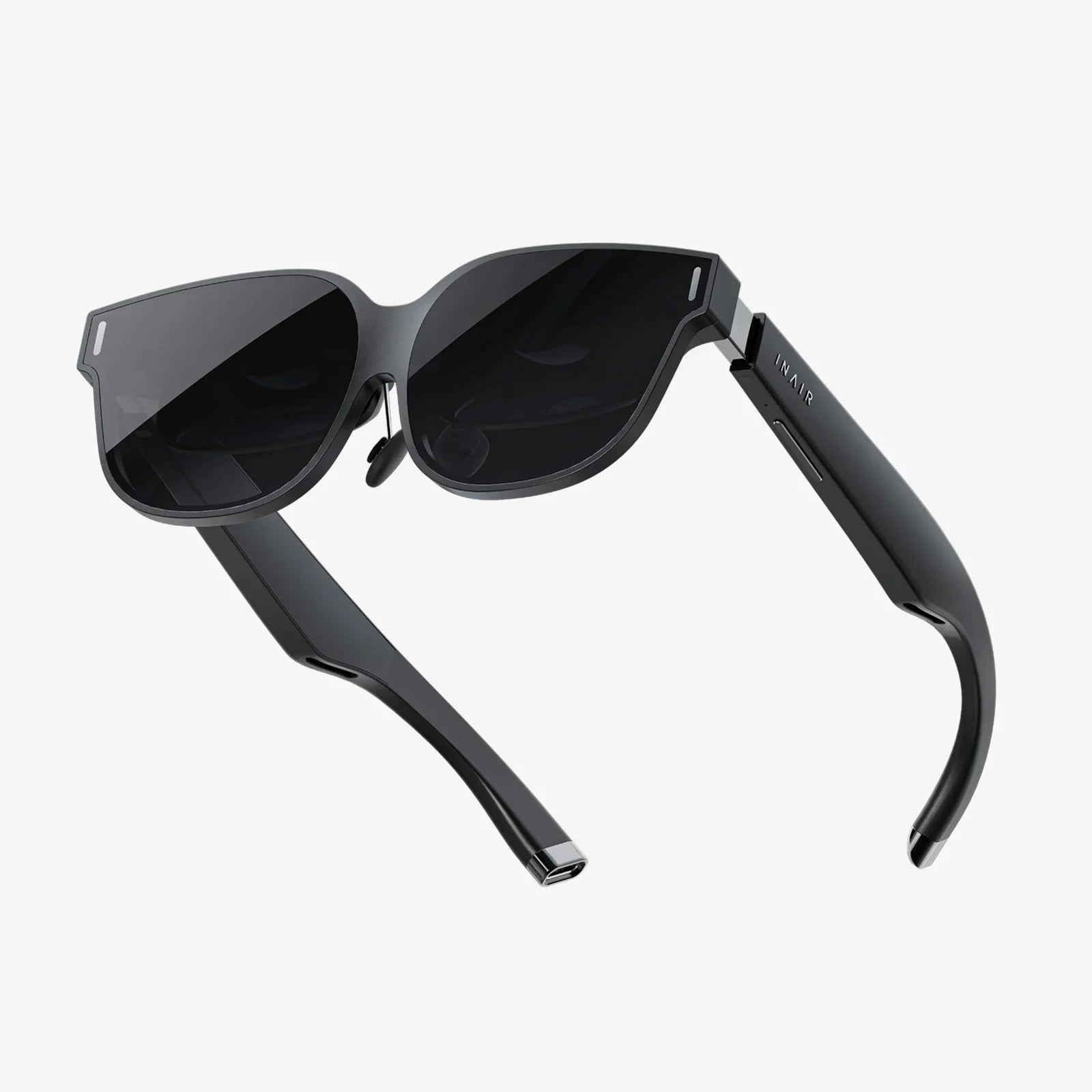
Imagine a world where the boundaries between the digital and the physical are not just blurred but seamlessly intertwined, a reality sculpted by the persistent use of a device perched on our faces. The long-term effects of VR headset technology are not merely a question for tech enthusiasts; they are a profound inquiry into the future of human experience, perception, and connection. As these devices evolve from novelty to necessity, understanding their enduring impact on our minds, bodies, and society becomes an urgent and captivating exploration.
The Visual Frontier: Retina, Focus, and the Strain of Two Worlds
Our eyes, perfected by millennia of evolution for navigating a natural, three-dimensional world, are now confronting a radically new visual stimulus. The long-term ocular implications of VR are a primary concern for researchers.
The core of the issue lies in the vergence-accommodation conflict. In the real world, our eyes converge (turn inward or outward) and accommodate (change focal power) in perfect synchrony to bring an object into focus. Most current VR headsets present a fixed focal plane, typically a few meters away. The screen is physically close, but the software creates a perception of depth, forcing our eyes to converge on a virtual object that might be near or far while our lenses remain stuck accommodating for the fixed screen distance. This constant, subtle dissonance is a primary source of the eye strain and fatigue reported by many users.
The long-term question is whether chronic exposure to this conflict could induce lasting changes. Could it lead to a degradation of our natural depth perception over time? Might it contribute to the development of conditions like myopia, especially in younger users whose visual systems are still developing? While definitive, multi-decade longitudinal studies are still in their infancy, the theoretical risk prompts a call for caution and further investigation. Advanced headsets are now incorporating varifocal and light field technologies aimed at resolving this conflict, which could mitigate this potential long-term effect.
Rewiring the Brain: Neuroplasticity and the Cybersickness Conundrum
Perhaps the most profound long-term effects of VR headset use will be seen not in the eye, but in the brain. The human brain is remarkably plastic, constantly rewiring itself based on experience. Immersing ourselves for hours in hyper-stimulating, digitally constructed environments is a powerful new form of experience that will undoubtedly shape our neural architecture.
One immediate neurological response is cybersickness, a form of motion sickness characterized by dizziness, nausea, and disorientation. It arises from a sensory mismatch: your visual system tells your brain you are running, flying, or falling, while your vestibular system in your inner ear reports that you are standing or sitting still. For most, this sensation subsides with acclimation (a process known as "getting your VR legs"), which is itself a form of short-term neuroplasticity. The long-term implications of repeatedly training the brain to overcome this dissonance are unknown. Does it enhance cognitive flexibility, or could it desensitize us to important real-world sensory cues?
More broadly, VR's capacity for embodied learning is a double-edged sword. Practicing a speech on a virtual stage or performing a complex surgical procedure in a risk-free simulation can build robust neural pathways and muscle memory that translate effectively to reality. This is an incredible benefit. Conversely, long-term exposure to violent or highly stressful virtual scenarios could potentially trigger or exacerbate anxiety disorders or PTSD in susceptible individuals, as the brain may struggle to fully compartmentalize these vivid, felt experiences as "not real." The line between virtual memory and actual memory may become less distinct.
The Psychological Self: Identity, Empathy, and the Proteus Effect
VR is not just a viewing platform; it is an identity platform. The ability to inhabit any avatar—a different gender, a different species, a fantastical creature—has powerful psychological consequences, both positive and concerning.
The Proteus Effect is a well-documented phenomenon where users begin to adopt the behaviors and attitudes of their avatar. Embodying a tall, powerful figure can make a person act more confidently in a negotiation, even after leaving VR. Embodying an elderly avatar can reduce implicit bias against older people. This presents a revolutionary tool for therapy and empathy training, allowing people to literally walk a mile in another's shoes. The long-term effect could be a more empathetic and understanding society.
However, this fluidity of identity raises questions about the stability of the self. If an individual spends a significant portion of their life in a idealized virtual form, could it lead to increased dissatisfaction with their physical body or real-life circumstances? Could it foster a form of dissociative identity, where the virtual self and the physical self feel increasingly disconnected? For adolescents, who are in a critical stage of forming their identity, the long-term psychological impact of living through curated, perfect avatars could be significant, potentially impacting self-esteem and social development.
The Social Fabric: Connection and Isolation in the Metaverse
The promise of the "metaverse" is one of boundless connection, where physical distance is rendered meaningless. The long-term social effects of VR headset adoption hinge on whether this technology ultimately brings us together or drives us further apart.
On one hand, VR can facilitate deep, meaningful social interaction for those who are geographically isolated, physically disabled, or otherwise marginalized. Sharing a virtual space can feel more present and connected than a traditional video call, preserving non-verbal cues like eye contact and personal space. For families and friends separated by oceans, it could maintain bonds in a way previously confined to science fiction.
The risk, however, is that these digital interactions could begin to substitute for, rather than supplement, physical human contact. The convenience and curated perfection of virtual socializing might make the messy, complicated nature of real-world interaction seem less appealing. This could potentially exacerbate the trends of loneliness and social anxiety already observed in a digitally connected world. The long-term effect might be a society that is hyper-connected online but profoundly isolated in the physical world, raising questions about the future of community, family, and our fundamental need for tangible human touch.
Physical Realities: Posture, Ergonomics, and the Sedentary Trap
While VR is often associated with movement, its long-term physical effects extend beyond the eyes and brain. The ergonomics of wearing a head-mounted display for extended periods present their own set of challenges.
Headsets, despite getting lighter, still place additional weight on the head and neck. Long-term, poor posture during use—whether sitting or standing—could contribute to chronic neck and back pain, a modern-day extension of "tech neck." Furthermore, while some VR experiences are highly active, many are surprisingly sedentary. The lure of immersive entertainment or productivity could anchor users to a virtual desk for even longer stretches, compounding the well-documented health risks associated with a sedentary lifestyle.
Conversely, VR's ability to motivate physical activity through gamification is a tremendous health opportunity. It can make exercise enjoyable for those who dislike traditional gyms, potentially combating obesity and improving cardiovascular health over the long term. The key will be in designing experiences and hardware that promote movement and healthy ergonomics rather than inhibiting them.
Navigating the Future: A Framework for Healthy Adoption
Given these potential long-term effects, a proactive approach is essential. The goal is not to halt progress but to guide it responsibly.
- Prioritize Research: Continuous, independent, and long-term studies are paramount. We need data that tracks users over years to truly understand the neurological, psychological, and physical impacts.
- Develop and Adhere to Safety Standards: The industry must collaborate with health experts to establish clear guidelines for usage, especially for children. This includes limits on session duration, mandatory breaks, and age-appropriate content ratings.
- Design with Well-being in Mind: Hardware must evolve to be lighter, more comfortable, and to eliminate physiological conflicts like vergence-accommodation. Software should be designed to encourage movement, social interaction, and positive psychological outcomes.
- Promote Digital Literacy and Balance: As a society, we must cultivate an understanding of VR's powerful effects. Users should be encouraged to maintain a balance between their virtual and physical lives, ensuring that the digital world enhances rather than replaces the richness of real-world experience.
The journey into virtual reality is one of the most significant technological leaps of our time, offering a canvas for human creativity, connection, and exploration that is nearly limitless. But as we don these headsets and step into these new worlds, we carry with us our fragile human biology and psychology. The ultimate long-term effect of VR headsets will be determined not by the technology itself, but by how we choose to use it, regulate it, and integrate it into the human story—ensuring that as we build new worlds, we do not lose sight of the one that made us.
Share:
VR Headset Growth: The Unstoppable Rise of Immersive Reality
How to Fit VR Headset: The Ultimate Guide to Perfect Comfort and Immersion