


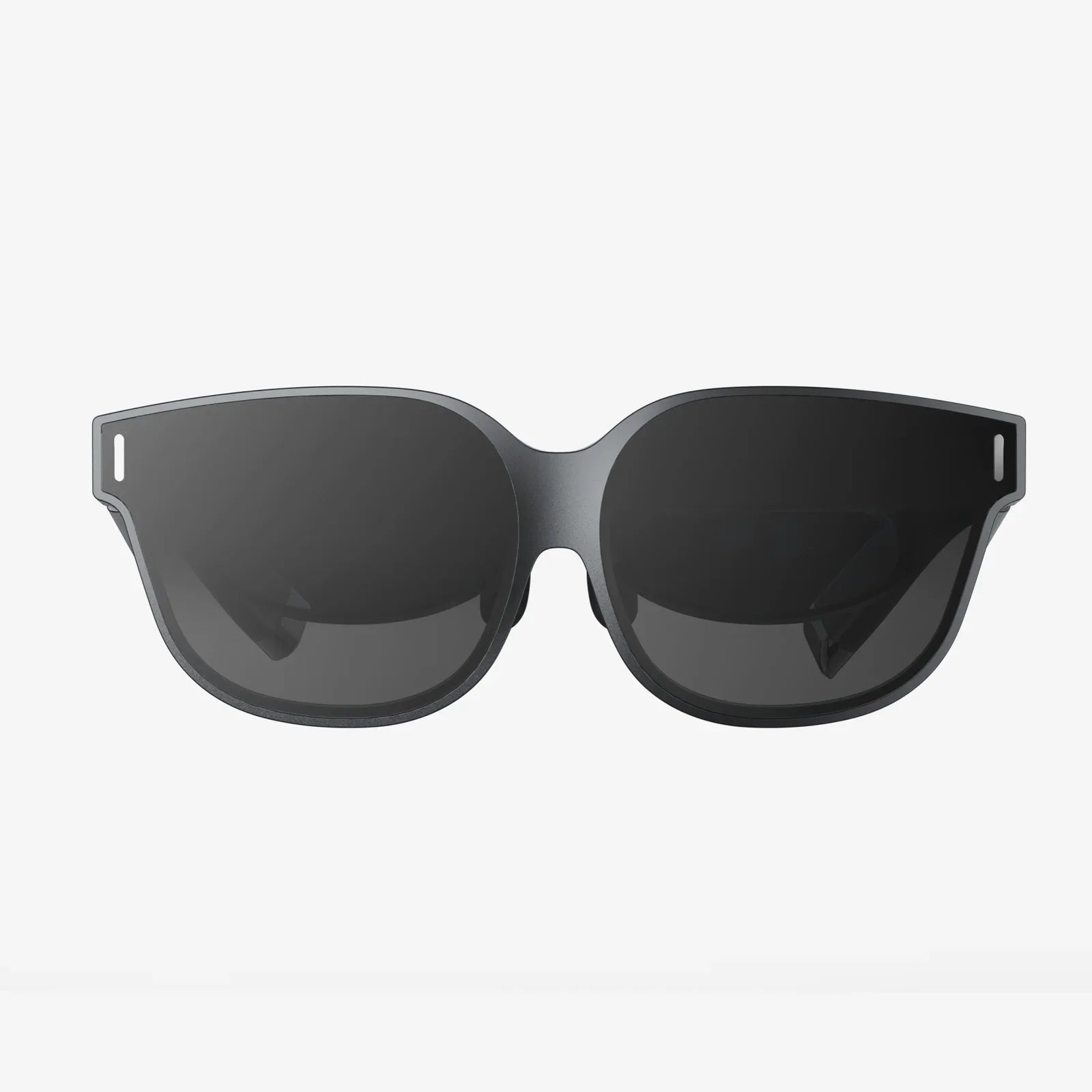
Imagine a world where your living room transforms into a battlefield against alien invaders, a serene mountaintop for meditation, or a collaborative workshop with colleagues from across the globe. This is no longer the stuff of science fiction; it's the burgeoning reality powered by the explosive growth of VR headsets. The trajectory of this technology is not just a line on a graph; it's a paradigm shift in how we connect, work, and play, and it's accelerating at a breathtaking pace. The journey from niche curiosity to mainstream marvel is a story of innovation, necessity, and a fundamental change in our digital appetite.
The Catalysts of Change: Beyond the Hype
This remarkable growth spurt isn't happening in a vacuum. It's the result of a perfect storm of converging factors that have collectively pushed virtual reality over the tipping point. The most significant barrier to entry for years was the hardware itself—clunky, expensive, and tethered to powerful, costly computers. The technological evolution has been nothing short of revolutionary. Modern standalone headsets have severed the cable, offering unprecedented freedom and accessibility. Simultaneously, displays have achieved stunning resolutions, dramatically reducing the dreaded "screen-door effect" and making virtual worlds feel tangibly real. Advanced inside-out tracking, powered by a suite of cameras and sensors, has eliminated the need for external base stations, simplifying setup and expanding the usable space. These leaps in processor power, optics, and ergonomics have transformed the experience from a novel tech demo into a truly compelling and comfortable platform.
The Market Forces: A Landscape Transformed
The market dynamics surrounding VR headsets have undergone a seismic shift. Early adoption was driven largely by enthusiasts and gamers, a dedicated but limited audience. Today, the landscape is vastly different. Aggressive pricing strategies, often subsidized by parent companies with broader platform ambitions, have made capable hardware accessible to a mass audience. The concept of the "metaverse," a persistent network of shared virtual spaces, has captured the public imagination and corporate investment, positioning the VR headset as its primary gateway.
Furthermore, the content ecosystem has matured exponentially. The app stores are no longer barren. They are now flooded with a diverse range of experiences, from AAA gaming titles that offer dozens of hours of immersive gameplay to innovative applications in social networking, fitness, and education. This rich and varied software library provides a compelling reason for consumers to invest in the hardware, creating a virtuous cycle where more users attract more developers, who in turn create even better content.
The Software Revolution: Building Worlds We Want to Inhabit
Hardware is nothing without software. The growth of VR is inextricably linked to the explosion in quality and variety of available content. Gaming remains the cornerstone, with developers now creating deep, narrative-driven experiences built from the ground up for VR, rather than awkward ports of flat-screen games. These titles leverage the unique capabilities of the medium—physics-based interaction, intuitive motion controls, and a profound sense of scale and presence.
Beyond gaming, social VR platforms have emerged as powerful drivers of engagement. These are not just chat rooms; they are vibrant digital hangouts where users, represented by expressive avatars, can watch movies, attend concerts, play games, or simply converse in shared spaces that feel remarkably authentic. This application proved particularly potent during periods of global lockdowns, offering a novel and meaningful way to combat social isolation and feel truly "together" while physically apart. Fitness has also emerged as a killer app, with engaging rhythm games and structured workout programs turning exercise into an entertaining activity, effectively selling the headset as a piece of home fitness equipment.
Enterprise and Education: The Productive Push
While consumer applications grab headlines, the silent revolution is occurring in enterprise and education. Corporations are deploying VR headsets for a multitude of use cases that offer a clear return on investment. Immersive training simulations allow surgeons to practice complex procedures, engineers to manipulate 3D models of machinery, and warehouse employees to learn safety protocols—all in a risk-free environment. Remote collaboration tools enable global teams to meet in a shared virtual boardroom, examining 3D prototypes and brainstorming on virtual whiteboards as if they were in the same physical space.
In education, VR offers unparalleled experiential learning. Students can take virtual field trips to ancient Rome, the depths of the ocean, or the surface of Mars. Complex scientific concepts, from human anatomy to molecular structures, can be explored from the inside out, transforming abstract ideas into tangible, interactive experiences. This institutional adoption not only fuels headset sales but also legitimizes the technology as a serious tool for productivity and advancement, further accelerating its overall growth.
Societal Shifts: A World Ready for Immersion
The growth of VR has been amplified by broader societal and technological trends. The COVID-19 pandemic acted as an unexpected accelerant, forcing people to seek new forms of remote work, connection, and entertainment from within their homes. VR was perfectly positioned to meet this demand. Furthermore, we are living in an era increasingly defined by experiential consumption. Consumers, particularly younger generations, increasingly value unique experiences over material goods. VR offers an infinite catalog of experiences, from scaling Everest to attending a front-row concert, making it an ideal fit for this cultural shift.
The underlying infrastructure has also caught up. The proliferation of high-speed internet and the rollout of 5G networks are crucial for streaming high-fidelity VR content and enabling cloud-based rendering, which could eventually allow for incredibly complex experiences on less powerful hardware. The digital world is now primed for immersive technology in a way it simply wasn't a decade ago.
Challenges on the Horizon: Navigating the Roadblocks
Despite the optimistic trajectory, the path forward is not without its obstacles. Achieving true mass adoption requires overcoming lingering challenges. For some users, motion sickness remains a barrier, though advancements in display refresh rates, software optimization, and user comfort settings are steadily mitigating this issue. The social acceptance of wearing a headset in the home, and the potential for these devices to exacerbate social isolation rather than alleviate it, are ongoing cultural conversations that need to be navigated thoughtfully.
Privacy and data security in these intensely personal and immersive environments are paramount concerns. The amount of biometric and behavioral data a headset can collect—from eye-tracking to body movement—is unprecedented, demanding robust ethical frameworks and transparent policies. Furthermore, the industry must continue to focus on accessibility, ensuring that interfaces and experiences are inclusive for users with different physical abilities. Addressing these challenges head-on is essential for sustaining long-term, healthy growth.
The Future is Immersive: What Lies Beyond the Horizon
The next wave of innovation is already taking shape, promising to fuel the next chapter of growth. The convergence of VR with Augmented Reality (AR) is leading towards Mixed Reality (MR) devices—headsets that can seamlessly blend photorealistic digital objects into the user's real-world environment. This technology will unlock entirely new use cases, from interactive design and architecture to contextual information overlays in our daily lives.
Advancements in haptics, ranging from sophisticated controllers to full gloves and vests, will add the crucial sense of touch to visual and auditory immersion, deepening the feeling of "presence." Brain-computer interfaces, though further out on the horizon, hint at a future where we might navigate virtual spaces with our thoughts. As the technology becomes smaller, more powerful, and ultimately evolves towards more socially acceptable form factors like glasses, the line between the digital and physical world will continue to blur.
The staggering growth of VR headsets is a testament to human ingenuity and our endless desire to explore new frontiers. It's a story that transcends mere market statistics, representing a fundamental expansion of human experience and connection. We are standing at the precipice of a new dimension, and the view from here is absolutely extraordinary. The virtual door is open, and an entire universe of possibility awaits on the other side.
Share:
VR MR Meaning: Demystifying the Virtual and Mixed Reality Spectrum
Long Term Effects of VR Headset: An In-Depth Exploration of Our Digital Future