


Imagine standing in a crowd of ten thousand, a roaring sea of avatars from every corner of the globe, all gathered to watch a legendary musician perform a solo on the surface of Mars. Or picture attending a critical business meeting, a university lecture, and a family birthday party—all in different, hyper-realistic virtual worlds—without ever leaving your home. This is the promise, the allure, and the impending reality of Mass VR, a technological shift poised to dismantle the very pillars of how we congregate, communicate, and experience collective moments. It’s a concept that transcends the novelty of a single headset; it’s about building persistent, parallel universes where our digital and physical lives intertwine on a scale previously confined to science fiction. The door to this new dimension is creaking open, and it’s inviting everyone, everywhere, to step through.
Beyond the Niche: Defining the Mass VR Phenomenon
For years, virtual reality existed on the fringes. It was the domain of hardcore gamers, specialized enterprise training, and tech enthusiasts with the means to afford expensive hardware. The experience, while impressive, was largely solitary. Mass VR shatters this paradigm. It is defined not by the technology itself, but by its accessibility, scalability, and social core. It represents the transition of VR from an isolated activity to a ubiquitous platform for shared human experience.
The core pillars of Mass VR are distinct:
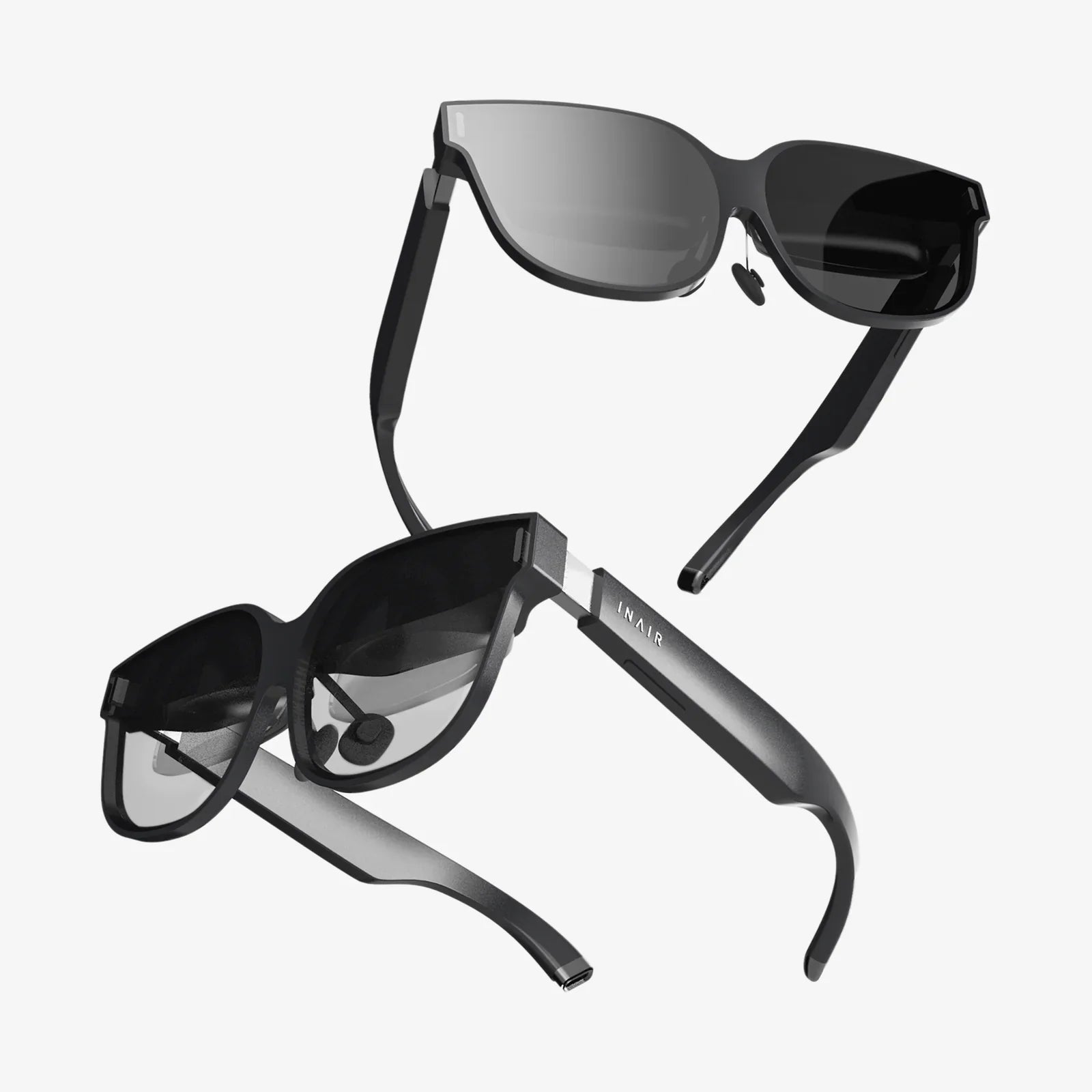
- Ubiquitous Accessibility: This is the foundational element. Mass VR requires hardware that is affordable, comfortable, and easy to use. This doesn't necessarily mean one single device; it could be a spectrum of options, from high-fidelity headsets for enthusiasts to more affordable, streamlined glasses, and even smartphone-based gateways for simpler experiences. The goal is a low barrier to entry, making the technology as commonplace as a smartphone.
- Massive Concurrent Users: True Mass VR platforms must support thousands, even millions, of users interacting within the same persistent virtual environment simultaneously. This demands a monumental leap in network infrastructure, cloud computing, and data synchronization, far beyond what is required for small-scale multiplayer games.
- A Social-First Imperative: At its heart, Mass VR is about people. It’s designed around the human need for connection, collaboration, and shared experience. The technology becomes a conduit for relationship-building, not just a tool for consumption.
This trifecta moves VR from a product one owns to a service one inhabits—a new layer of society itself.
The Engine Room: The Technologies Powering the Mass VR Dream
Building these vast, shared worlds is arguably one of the most significant computational challenges of the decade. It’s a symphony of cutting-edge technologies working in concert.
5G and Edge Computing: The Nervous System
The latency—the delay between action and reaction—in a virtual world must be imperceptible to prevent user discomfort (cybersickness) and break the illusion of presence. Traditional internet infrastructure, with data traveling to distant centralized servers, simply cannot support the real-time interactions of thousands in a single space. This is where 5G networks and edge computing become non-negotiable. 5G offers incredibly high speeds and critically low latency. Edge computing processes data closer to the user, at the "edge" of the network, rather than sending it hundreds of miles to a core data center. For Mass VR, this means your avatar's movements and interactions are processed locally, allowing for seamless, real-time collaboration with the avatars around you, making a crowded virtual concert feel as responsive as a real-world conversation.
Cloud Rendering and the Demise of the Expensive Rig
The demand for photorealistic graphics has traditionally meant users needed powerful, expensive computers. Mass VR demolishes this requirement through cloud rendering. Instead of your local device struggling to render a complex environment, the heavy lifting is done by powerful servers in the cloud. The resulting video stream is then sent to your headset, which acts more like a sophisticated monitor. This not only democratizes access to high-fidelity experiences but also solves a critical problem: in a shared space, every user must see the same consistent, complex world. Cloud rendering ensures everyone, regardless of their device, experiences the same stunning visual fidelity.
AI and Procedural Generation: Building Worlds at Scale
How do you create a virtual planet for millions to explore? Human artists alone could never design every tree, rock, and building. Artificial Intelligence, specifically through procedural generation, is the key. AI algorithms can automatically generate vast, unique, and believable landscapes, cities, and objects according to set rules and parameters. This allows for the creation of seemingly infinite worlds ready for exploration. Furthermore, AI drives the non-player characters (NPCs), making them more realistic and responsive, and can even be used to manage crowd behavior in large events, ensuring a virtual stadium behaves like a real one.
The Social Fabric Rewoven: New Frontiers of Human Interaction
The most profound impact of Mass VR will be on sociology, not technology. It redefines the concept of "gathering place."
The Death of Distance?
Physical location, a primary determinant of social and professional opportunity throughout human history, becomes largely irrelevant. The best university lecture hall, the most influential industry conference, the most exciting concert venue—all are now a click away. This has staggering implications for globalization, education, and workplace culture. Remote work evolves into "immersive work," with teams collaborating around virtual whiteboards and 3D models as if they were in the same room, complete with body language and spatial audio that allows for the subtle, whispered aside that is lost on today's video calls.
Expression and Identity in the Metaverse
Our avatars will become extensions of our identity, perhaps even more curated and expressive than our social media profiles. In Mass VR, you can choose how you present yourself to the world, unconstrained by physical form. This offers incredible freedom for self-expression but also raises complex questions. Will we form deeper connections based on personality rather than appearance? Or will new forms of prejudice and bias based on avatar choice emerge? The social dynamics of these digital bodies will be a fascinating and crucial area of study.
The Evolution of Live Events
Live events will be revolutionized. A music festival can host an unlimited number of attendees, with front-row views for everyone. Artists can create performances impossible in the physical world, bending physics and reality to their artistic will. Sporting events could offer viewers the ability to watch from any vantage point—even from the perspective of the athlete. The sense of shared excitement and collective energy, the roar of a crowd—these visceral, communal experiences can be captured and amplified in Mass VR, creating a new global culture of attendance.
Navigating the Labyrinth: Challenges and Ethical Considerations
This brave new world is not without its perils. The path to a healthy Mass VR ecosystem is fraught with ethical, psychological, and practical challenges that must be addressed proactively.
The Privacy Paradox
If we think data collection is pervasive now, Mass VR represents a quantum leap. Headsets can track everything: our gaze, our pupil dilation, our subtle gestures, our proximity to others, even our biometric responses. This data is a treasure trove for understanding human behavior but also a dystopian nightmare for surveillance. Robust, transparent frameworks for data ownership, consent, and usage must be established before these platforms become mainstream. Who owns the data about your movements in a virtual space? The platform? You?
Psychological and Societal Impact
Spending significant time in highly engaging virtual worlds could have profound effects on the human psyche. Will it lead to greater empathy by allowing us to "walk in another's shoes," or will it foster escapism and a neglect of the physical world? The potential for new forms of addiction is significant. Furthermore, if these experiences become premium or exclusive, we risk creating a new digital divide—a chasm between those who can afford full access to the metaverse and those who cannot, potentially exacerbating existing social and economic inequalities.
Safety and Moderation at Scale
How do you police a universe? The potential for harassment, abuse, and even virtual crime is alarmingly high when interactions feel real. A groping hand in a virtual space can have real psychological trauma. Effective, scalable moderation tools that can detect and prevent such behavior in real-time, across different languages and cultures, is a monumental challenge that remains largely unsolved. Establishing a digital rule of law is paramount for Mass VR to be a safe space for all.
The Economic Avalanche: New Markets and Business Models
Mass VR will unleash a wave of creative destruction, birthing entirely new industries while disrupting others.
The virtual economy will explode. We will see the rise of virtual architects, experience designers, avatar stylists, and digital real estate brokers. The concept of digital ownership, powered by technologies like blockchain, will allow users to truly own unique virtual assets, from clothing for their avatar to plots of land in a premium digital district. The line between physical and digital commerce will blur; you might buy a physical sweater by first trying it on your avatar.
Traditional industries will be forced to adapt. Why fly across the country for a conference when a more effective, greener, and cheaper alternative exists in Mass VR? The travel, hospitality, and even commercial real estate sectors will need to redefine their value proposition. Conversely, new forms of advertising and brand engagement will emerge, moving from flat billboards to immersive, interactive experiences.
The world is on the cusp of a connectivity revolution that will make our current internet feel like a black-and-white television. Mass VR is the catalyst, a technology that promises to weave our digital and physical selves into a tapestry of shared experience on a global scale. The challenges are immense, but the potential to enhance human connection, democratize experience, and unlock new forms of creativity is too powerful to ignore. The virtual frontier is open, and humanity is finally ready to settle it, together.
Share:
Fully Immersive Virtual Reality Possible: The Future of Human Experience is Here
Can AI Glasses Help If I Already Have Prescription Glasses? The Ultimate Guide