


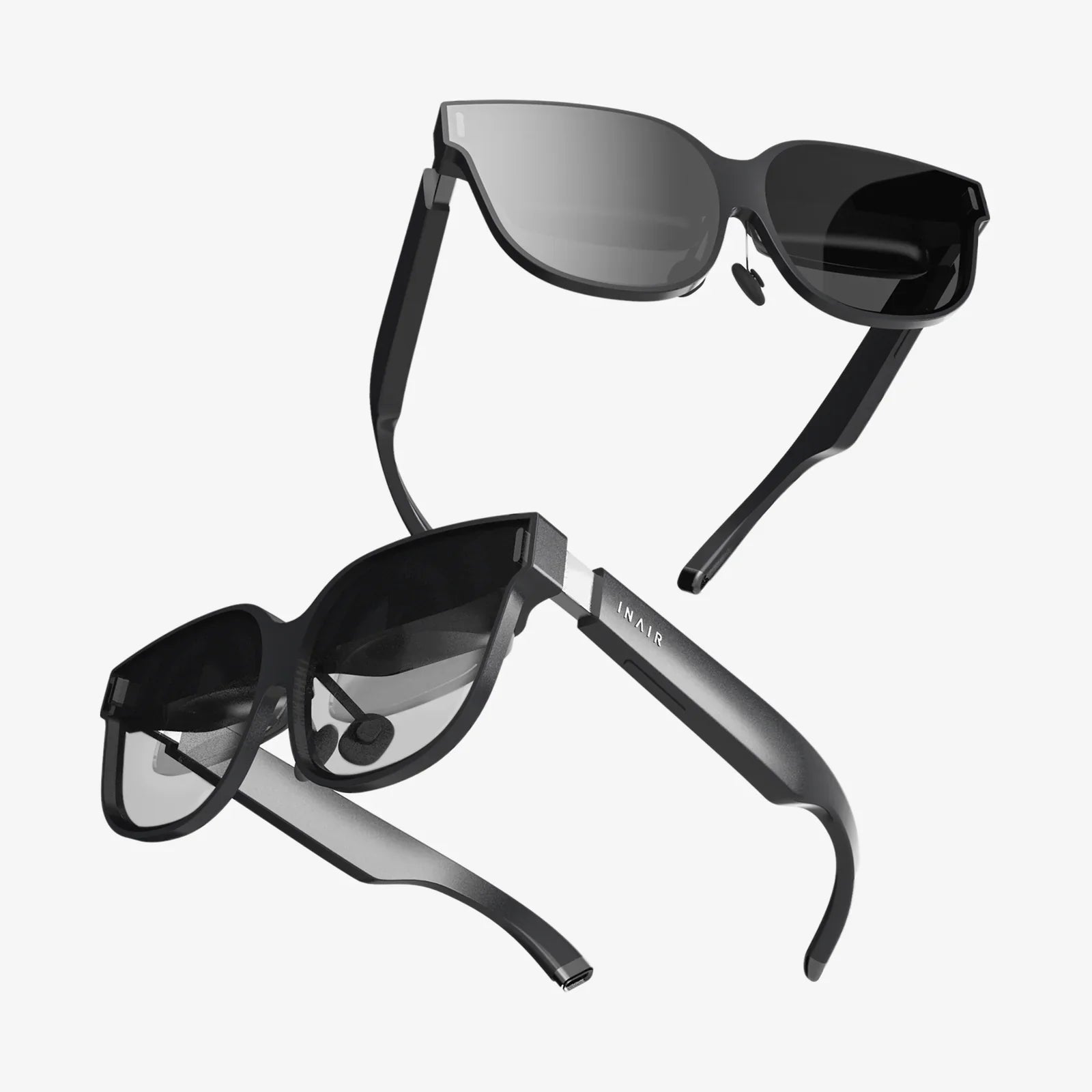
Imagine a world where information flows as effortlessly as a glance, where the boundary between digital knowledge and physical reality dissolves into a seamless, intuitive experience. This is the promise held within the sleek frames of advanced AI eyewear, a device that aims not to distract, but to augment, not to isolate, but to connect. The question on everyone's mind is simple yet profound: what do these sophisticated glasses actually do? The answer unfolds a vision of the future that is already beginning to take shape.
The Core Concept: Augmented Reality and Ambient Computing
At their heart, these devices are the physical embodiment of ambient computing. Unlike a smartphone that demands your full attention, pulling you out of the moment, the intelligence within these glasses is designed to be peripheral, contextual, and instantly accessible. They represent a shift from pulling information from a device to having it pushed to you precisely when and where it's needed, all while keeping your eyes up and your hands free. This is achieved through a combination of sophisticated hardware and powerful artificial intelligence.
The hardware suite typically includes:
- High-resolution cameras for capturing the world from a first-person perspective.
- An array of microphones to hear voice commands and ambient sounds.
- Miniaturized speakers or bone conduction technology for private audio feedback.
- Advanced sensors, including accelerometers and gyroscopes, to understand movement and orientation.
- A low-power, always-on AI processor that handles continuous data processing.
This sensor package feeds a constant stream of data to the onboard AI, which acts as the brain of the operation. It's this powerful software that interprets the world, understands your commands, and delivers the right information at the right time.
Seeing What You See: Real-Time Visual Recognition and Translation
One of the most immediate and powerful features is the ability to analyze and interpret the visual field in real time. Point your gaze at a landmark, and a discreet icon might appear, offering historical facts or visitor information. Look at a complex menu in a foreign language, and see the text instantly translated and overlaid in your native tongue, as if it were always printed that way. This capability extends beyond text.
Imagine walking through a grocery store and looking at a product on the shelf. The AI can instantly cross-reference the item with your dietary preferences or allergies, highlighting a green checkmark for safe options or a subtle warning for ingredients you wish to avoid. For a DIY enthusiast, looking at a collection of tools could trigger a tutorial video or a highlighted outline showing the correct wrench size for a particular bolt. The visual world becomes interactive, annotated with a layer of dynamic, useful information.
Hearing What You Hear: Advanced Audio and Language Processing
The auditory capabilities are equally transformative. The multi-microphone array is finely tuned to isolate your voice from background noise, making voice commands remarkably effective even in a noisy cafe or on a windy street. But the magic truly happens with real-time audio translation. You can engage in a conversation with someone speaking a different language, and near-simultaneous translations are delivered quietly through your speakers while the system displays a transcript in your visual field. This doesn't just break down language barriers; it effectively erases them, fostering communication and connection in a way that was once the domain of science fiction.
Furthermore, the AI can act as a sophisticated auditory assistant. In a meeting, it can quietly take notes and summarize action items. While listening to a podcast or lecture, it can generate a real-time transcript or highlight key points for later review. It can even identify ambient sounds, like a specific bird song during a hike or the siren of an approaching emergency vehicle, providing context and alerts for your environment.
Your Contextual Companion: Proactive Assistance and Memory
Beyond reacting to commands, the AI strives to be proactive. By learning your routines and preferences, it can surface information before you even ask for it. Walking towards a subway station, it might proactively display service alerts for your regular line. If you have a calendar reminder for a meeting, it can provide walking directions the moment you step outside, overlaying arrows onto the sidewalk in your field of view. This transforms the device from a tool into a true companion that understands your context and intent.
Another profound application is as an extension of your own memory. The glasses can passively capture moments of your day—a recipe a friend is explaining, the name of a person you just met, the location where you parked your car. This creates a searchable, personal log of your life. Forgetting a crucial detail or a cherished moment could become a thing of the past, as you can simply ask, "What was the name of that book my colleague recommended yesterday?" and have the answer pulled instantly from the recorded conversation.
Navigating the World: A New Paradigm for Maps and Directions
Traditional navigation on a phone screen requires you to constantly look down, divorcing you from your surroundings. AI glasses reinvent this experience. Turn-by-turn directions can be projected directly onto the world in front of you, with digital arrows appearing to point down the correct street or highlight the entrance to a building. This creates a much safer and more immersive way to explore new cities or find your way through a complex airport. It can also provide rich, context-aware information about your surroundings, popping up ratings for a restaurant you're walking past or notifying you of a special exhibit at a museum across the street.
The Creative and Productive Powerhouse
For creators and professionals, the applications are boundless. A photographer can use them to frame a shot without looking through a viewfinder. A mechanic can have technical manuals and schematics hands-free while repairing an engine. A musician could see lyrics or sheet music displayed during a performance. The ability to capture photos and videos from a first-person perspective is also a powerful creative tool, allowing for a new genre of immersive, point-of-view content creation without the barrier of holding a camera.
Ethical Considerations and the Future of Privacy
Of course, a device that sees and hears everything you do raises significant and valid questions about privacy and societal norms. The potential for constant recording is a double-edged sword. On one hand, it can be a powerful tool for transparency and personal security. On the other, it introduces profound concerns about surveillance, consent, and data ownership. How do we prevent a world where every interaction is potentially being recorded? How is the vast amount of personal data collected and processed? These are not trivial questions. The development of these technologies must be accompanied by robust, transparent, and user-centric privacy frameworks. Features like a prominent recording indicator light and clear, audible cues when the camera is active are essential first steps in building trust and ensuring these devices are used responsibly in public spaces.
The Seamless Fusion of Human and Machine Intelligence
The ultimate goal of this technology is not to create a distracting heads-up display cluttered with notifications, but to foster a seamless fusion of human and machine intelligence. It's about enhancing human capability without diminishing human connection. The AI acts as a silent partner, handling the tedious tasks of information retrieval, translation, and memory, freeing up your cognitive load to focus on what truly matters: creativity, conversation, and experiencing the world around you. It's a step towards a future where technology understands us, anticipates our needs, and empowers us to be more present, knowledgeable, and connected.
The true potential of AI-powered eyewear lies not in replicating the smartphone experience on your face, but in creating an entirely new paradigm for interaction. It's a shift from a world we stare down at to one we can look up and engage with fully. This is more than a gadget; it's a gateway to a richer, more informed, and seamlessly connected layer of reality, waiting to be explored with a simple, focused glance.
Share:
AI Glasses Products Brands: The Invisible Revolution Reshaping Our Reality
AI Glasses Products Brands: The Invisible Revolution Reshaping Our Reality