


Imagine stepping through a portal into a world limited only by the imagination, a digital existence so rich and persistent it rivals our physical reality. This is the promise on the horizon, a future being built today through two interconnected yet fundamentally different concepts: the vast, collective ambition of the metaverse and the powerful, immersive technology of virtual reality. The distinction between them is not just academic; it is the key to understanding the next great leap in human-digital interaction. To mistake one for the other is to confuse the engine for the car, the brick for the city, the single instrument for the entire symphony. This exploration is your essential map to a territory that is rapidly taking shape, a guide to separating the futuristic hype from the tangible, world-altering reality.
Defining the Digital Dichotomy: Core Concepts Explained
Before we can contrast them, we must first define our terms with precision. The conflation of “metaverse” and “virtual reality” is common, but a clear understanding reveals they operate on entirely different levels of abstraction.
What is Virtual Reality (VR)?
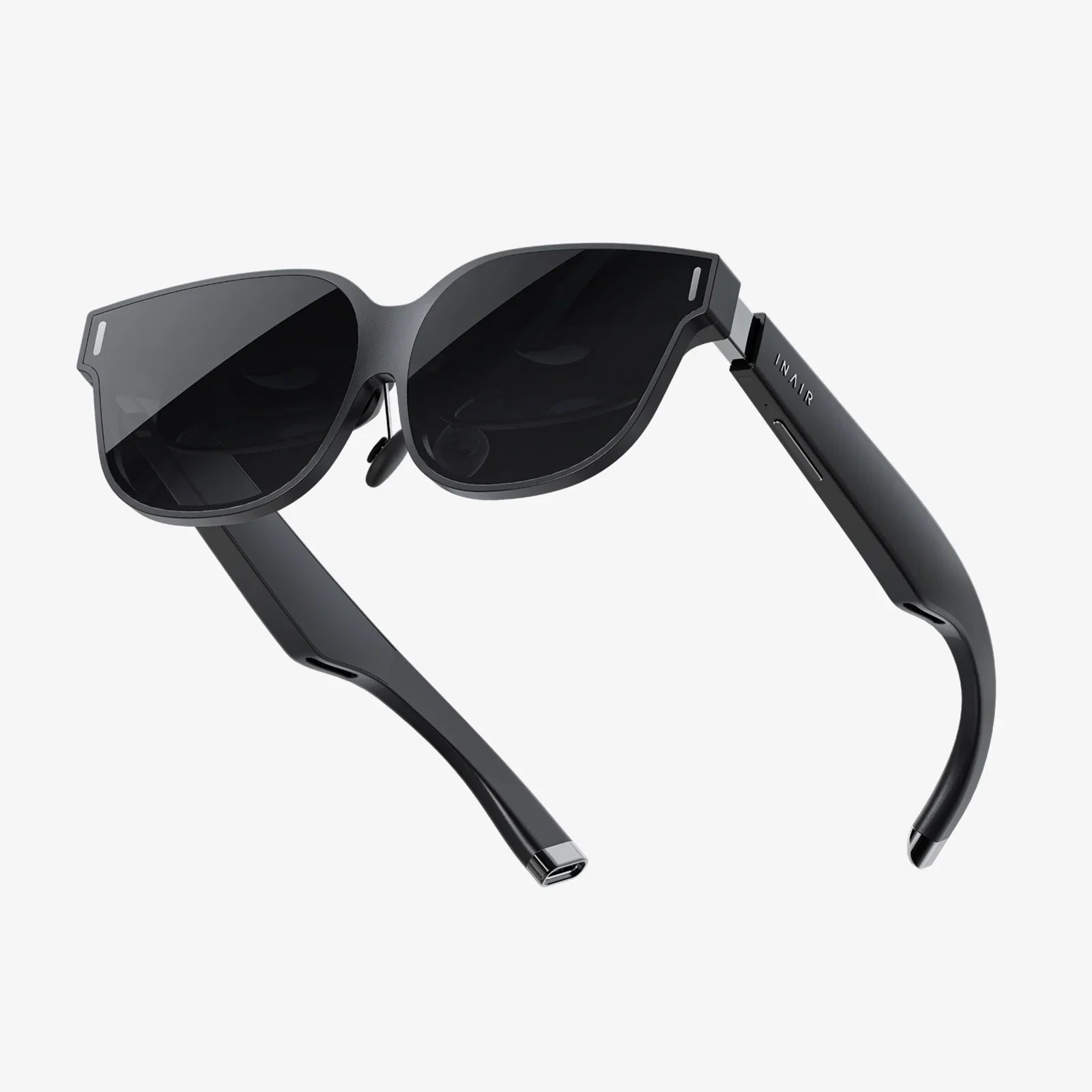
Virtual Reality is a technology, a tool for generating a simulated, three-dimensional environment. It is a gateway, typically experienced through a head-mounted display (HMD) and motion-tracking equipment, that completely replaces a user’s real-world surroundings with a digital one. The core tenets of VR are:
- Immersion: The use of technology to create a persuasive sensory experience—sight, sound, and sometimes touch—that makes the user feel “present” in the artificial environment.
- Interactivity: The ability for the user to interact with and manipulate elements within this digital space in a seemingly natural way, often using controllers or hand-tracking.
- Isolation: By design, a VR experience often blocks out the physical world, focusing the user’s entire attention on the virtual one.
Think of a VR headset as a sophisticated monitor. It is the hardware that renders a convincing digital world. This world could be a game, a training simulation for surgeons, a virtual tour of a historical site, or a 360-degree movie. It is an experience, often with a defined beginning and end. When you take the headset off, that specific virtual world ceases to exist for you.
What is the Metaverse?
The metaverse, in contrast, is not a technology but a concept, a framework, and a hypothesized next iteration of the internet. It is often described as a massively scaled, persistent, and interconnected network of real-time rendered 3D virtual worlds. Crucially, it is experienced synchronously and persistently by an effectively unlimited number of users, each with an individual sense of presence. The core tenets of the metaverse include:
- Persistence: The metaverse continues to exist and evolve even when you are not logged in. Events happen, economies function, and other users interact within it regardless of your participation.
- Interoperability: This is a foundational pillar. The ideal metaverse would allow for seamless travel between different virtual spaces, taking your digital assets, avatar, and currency with you. Your virtual identity and possessions would not be locked into one platform.
- Concurrency: It supports vast numbers of people experiencing the same event or existing in the same space simultaneously, much like a real-world concert or city square.
- Being an Ecosystem: It is not a single application but a vast network of experiences, worlds, marketplaces, and platforms woven together. It incorporates a full-fledged economy, often built on digital ownership (e.g., NFTs or other blockchain-based assets).
- Multi-Technology Access: While VR is a primary way to immerse oneself, the metaverse is not exclusively accessed through it. You could experience parts of it through augmented reality (AR), traditional screens (phones, PCs), and future technologies yet to be invented.
If VR is the television, the metaverse is the entire broadcast network, the production studios, the advertisers, and the global audience all interacting in a single, vast, and living medium.
The Symbiotic Relationship: How VR and the Metaverse Work Together
While distinct, the relationship between VR and the metaverse is profoundly symbiotic. One cannot reach its full potential without the other.
Virtual Reality is the ultimate interface for the metaverse. It provides the most immersive, compelling, and intuitive way to “inhabit” a persistent digital world. The sense of “presence”—the feeling of actually being in a place with other people—is unparalleled in VR. This is the technology that can transform the metaverse from something you look at on a screen to something you are in. For complex social interaction, detailed design work, or immersive entertainment within the metaverse, VR is the logical and most powerful vehicle.
Conversely, the metaverse is the ultimate purpose for VR. While VR has found strong niches in gaming, enterprise training, and therapy, its long-term vision has always been a more expansive digital life. The metaverse provides that overarching framework. It gives VR a persistent context beyond isolated experiences. Instead of “jumping into a game,” you would “enter the metaverse” to socialize, work, create, attend events, and then perhaps launch a game from within that persistent reality, all without changing your identity or environment.
In essence, VR needs the metaverse to evolve from a niche technology into a universal platform. The metaverse needs VR to deliver on its promise of true embodiment and deep immersion.
Key Differences: A Side-by-Side Comparison
| Feature | Virtual Reality (VR) | Metaverse |
|---|---|---|
| Nature | A technology, a tool, a hardware/software platform. | A concept, a framework, a hypothesized state of the internet. |
| Scope | Individual, contained experiences or applications. | A vast, interconnected network of worlds and experiences. |
| Persistence | The experience ends when the user exits. | Exists continuously, independent of any single user. |
| Primary Access | VR headsets (HMDs). | VR, AR, PCs, mobile devices, and more. |
| Interoperability | Low. Assets and avatars are typically locked to a specific app or platform. | High (in theory). Assets and identity should be portable across the entire ecosystem. |
| Economy | Closed economies within specific games/apps. | Open, unified digital economy with user-owned assets. |
| Analogy | A single, immersive video game or simulation. | The entire internet, but rendered in 3D and experienced spatially. |
Beyond the Hype: Current State and Future Trajectory
It is crucial to recognize that a fully realized, open, and interoperable metaverse, as described in science fiction, does not exist today. What we have are proto-metaverses or metaverse platforms.
These are closed or semi-closed platforms—often gaming-centric—that exhibit some metaverse-like qualities: persistent worlds, user-generated content, social hubs, and internal economies. They are significant steps toward the concept but remain walled gardens. You cannot take your avatar or sword from one of these platforms to another. They are individual destinations, not parts of a seamless whole.
Meanwhile, VR technology continues to advance rapidly. Standalone headsets are becoming more powerful, affordable, and comfortable. Resolution, field of view, and tracking accuracy are improving, enhancing immersion. Haptics are evolving to include touch and force feedback. These advancements are building the necessary infrastructure for a future where entering a persistent metaverse feels as natural as stepping outside your door.
The future trajectory points toward convergence. The evolution will likely involve:
- The maturation of open standards for identity, assets, and interoperability.
- The breaking down of walls between existing proto-metaverses.
- The development of “metaverse browsers” that allow users to traverse different worlds seamlessly.
- The deep integration of AR, allowing the metaverse to overlay and interact with our physical reality.
This path is fraught with technical, ethical, and governance challenges, but the direction is clear: a move from isolated virtual realities toward a cohesive, if complex, digital universe.
Implications for Society, Work, and Identity
The rise of the metaverse, powered by immersive technologies like VR, will have ramifications far beyond entertainment.
- The Future of Work: Remote work could evolve into “immersive work.” Instead of video calls, teams could collaborate in virtual boardrooms, design 3D prototypes together in real-time, or train for dangerous jobs in perfect safety. This promises greater connection and collaboration but also raises questions about surveillance, digital fatigue, and the blurring of work-life boundaries.
- Social Interaction: Social media could become “experienced” rather than “viewed.” Connecting with friends and family could involve sharing a virtual space, attending a concert together, or simply hanging out as embodied avatars. This could alleviate loneliness and create new forms of community, but it also risks further social isolation from the physical world and introduces complex questions about identity representation and harassment.
- Digital Ownership and Economy: The concept of a creator economy will explode. Users will not just create content but own it outright as digital assets—land, clothing, art, games—that can be sold or used across different worlds. This empowers creators but also introduces complex economic models, taxation issues, and the potential for volatile digital markets.
- Privacy and Ethics: The data collected in an immersive metaverse will be profoundly intimate: eye tracking, body language, biometric responses, and movement patterns. The potential for manipulation and surveillance is unprecedented, demanding robust new frameworks for digital rights and privacy.
The journey into this new frontier is not merely technological; it is a societal conversation about what kind of digital future we want to build.
Navigating the New Frontier
For those looking to engage with this emerging space, the approach depends on your goals. To experience the power of immersion today, invest in a VR headset and explore the rich landscape of games, social apps, and creative tools. It is the best way to understand the “feel” of the future. To understand the metaverse concept, engage with existing proto-metaverses on your PC or console. Participate in live events, observe their economies, and create content. Most importantly, stay informed. This is a field defined by rapid change, where today’ s limitations are tomorrow’s breakthroughs.
The line between the digital and physical is set to blur in ways we are only beginning to comprehend. While the full vision of the metaverse may be years away, its foundations are being poured now in the code of VR applications and the protocols of virtual worlds. This isn't just about better games or new social networks; it's about the gradual emergence of a new layer of human reality, a parallel existence with its own rules, opportunities, and perils. Understanding the crucial dance between the enabling technology of virtual reality and the overarching vision of the metaverse is the first step to navigating, and ultimately shaping, the world to come.
Share:
Augmented Screen 100inch Virtual: The Future of Immersive Living
What Kind of Data Does Virtual Reality Use: The Unseen Engine Powering Immersion