


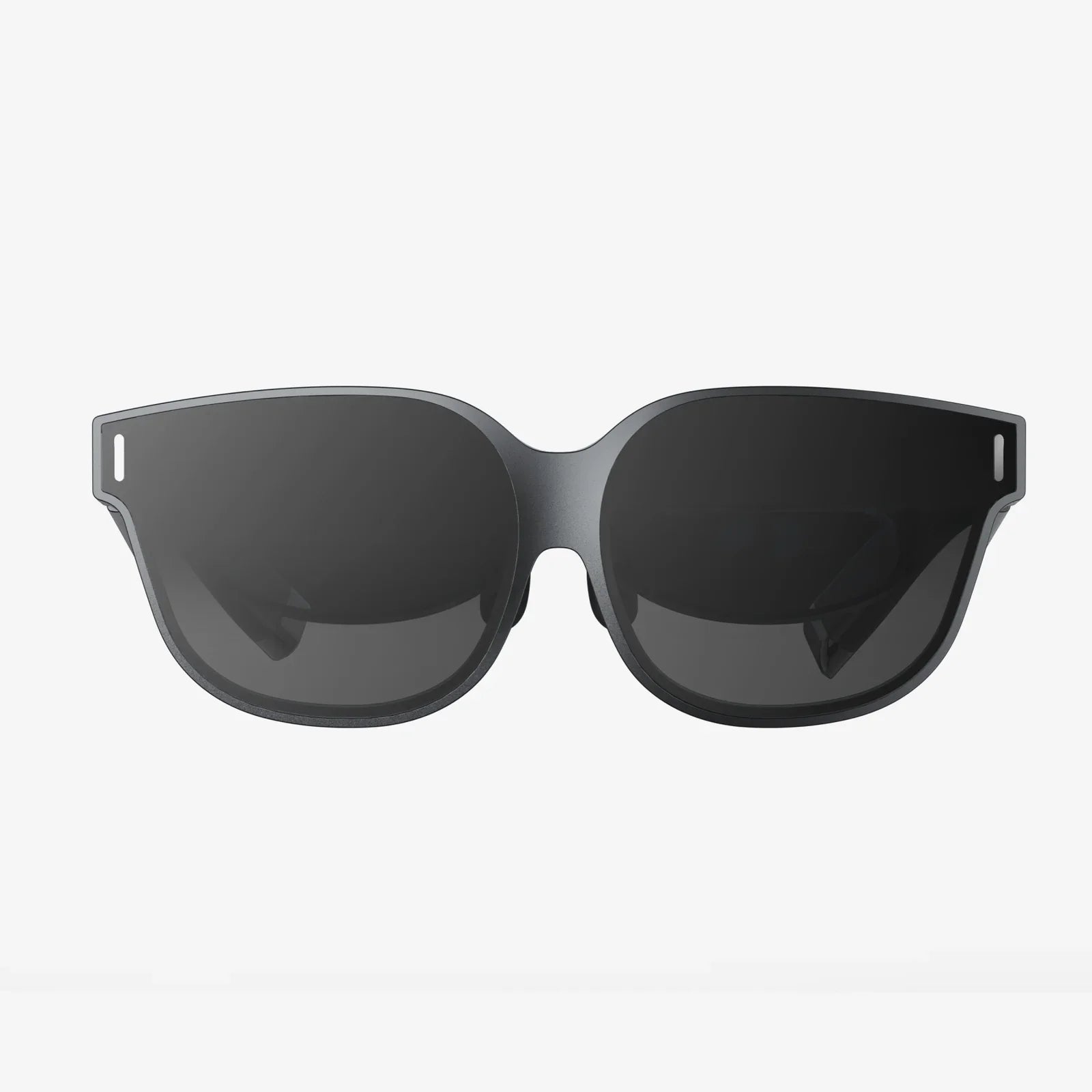
Imagine stepping through a portal into another world, a place limited only by the imagination, where the rules of physics are optional and the experiences are boundless. This is the profound promise of virtual reality (VR), a technology that has captivated scientists, developers, and dreamers for decades. But the magic of this transportation isn’t mere chance; it is the direct result of a rigorous, multidisciplinary, and deeply fascinating methodology. The journey from a concept to a fully immersive VR experience is a complex ballet of technology, human physiology, and creative design, all orchestrated through a structured and deliberate process. Understanding the methodology of virtual reality is to pull back the curtain on one of the most transformative technologies of our time, revealing not just how it works, but how it fundamentally alters our perception of reality itself.
The Foundational Pillars: Immersion, Presence, and Interactivity
Before dissecting the technical steps, one must first grasp the core objectives that every VR methodology seeks to achieve. These are not mere features but the very essence of a successful virtual experience.
The Pursuit of Immersion
Immersion is the objective measure of how effectively a VR system can deliver an inclusive, extensive, surrounding, and vivid illusion of reality to the senses of a human participant. It is a technical state, achieved through hardware and software. The methodology prioritizes sensory fidelity—the quality and believability of what the user sees, hears, and feels. This involves high-resolution displays with high refresh rates, wide field-of-view optics, precise spatial audio, and increasingly, haptic feedback systems. The more seamlessly these technological elements work together to mimic natural sensory input, the higher the level of immersion.
The Phenomenon of Presence
If immersion is a technical state, presence is a psychological one. Often described as the "suspension of disbelief" on steroids, presence is the subjective feeling of 'being there' inside the virtual environment. It is the ultimate goal of VR methodology. A user can be immersed (surrounded by technology) without feeling presence (believing they are elsewhere). The methodology, therefore, must engineer experiences that foster this feeling. This is achieved by minimizing latency—the delay between a user's movement and the system's visual response. Latency above 20 milliseconds can shatter presence and induce discomfort. Furthermore, consistent and believable world physics, realistic interactions, and self-representation through avatars are critical methodological considerations for inducing and maintaining presence.
The Imperative of Interactivity
A truly immersive virtual world is a stagnant one without the ability to interact with it. Interactivity is the third pillar, granting the user agency within the digital space. The methodology encompasses the technology for tracking user input—typically through handheld controllers, gloves, or computer vision—and the software systems that translate that input into meaningful action within the virtual world. This requires robust collision detection, physics engines to simulate how objects behave when manipulated, and intuitive user interface (UI) and user experience (UX) paradigms designed specifically for 3D spaces, not 2D screens.
The Hardware Ecosystem: Building the Gateway
The methodology of virtual reality is built upon a foundation of specialized hardware that acts as the gateway between the user and the digital realm. This ecosystem is designed to capture user motion and stimulate the senses.
Visual Output: Head-Mounted Displays (HMDs)
The Head-Mounted Display is the centerpiece of the VR hardware stack. Its design is a marvel of optical and electronic engineering. The methodology involves using two miniature displays (one for each eye) or one split display, paired with lenses that focus and reshape the image to fill the user's field of view. Key specifications driving the methodology include:
- Resolution and Pixel Density: Higher resolutions reduce the "screen-door effect," where users can perceive the gaps between pixels, breaking immersion.
- Refresh Rate: A high refresh rate (90Hz and above) is crucial for smooth visuals and reducing motion sickness.
- Field of View (FoV): A wider FoV, ideally matching human binocular vision, enhances the feeling of being inside the world.
User Input: Tracking Systems
To create a responsive world, the system must know where the user is and what they are doing. Two primary methodological approaches exist:
- Outside-In Tracking: External sensors or cameras placed in the room observe markers on the HMD and controllers to triangulate their position in 3D space. This method is highly precise but requires setup and is constrained to a defined area.
- Inside-Out Tracking: Cameras and sensors are mounted directly on the HMD itself. Using simultaneous localization and mapping (SLAM) algorithms, the headset observes the physical environment to track its own position and the position of controllers relative to the world. This method offers greater freedom and ease of use and is the dominant methodology in modern consumer systems.
Haptic Feedback and Audio
A truly multisensory experience requires more than just visuals. The methodology incorporates:
- Haptics: This involves tactile feedback, most commonly through vibration motors in controllers. Advanced methodologies explore force feedback gloves, vests, and full-body suits that can simulate touch, pressure, and even temperature.
- Spatial Audio: Sound in VR is not stereo; it is 3D. Using head-related transfer functions (HRTFs), audio is processed to mimic how sound waves interact with the human head and ears, allowing users to perceive the location and distance of sounds naturally. This is critical for presence, especially when something is happening outside the user's field of view.
The Software Architecture: The Engine of Illusion
Hardware is inert without software to bring it to life. The software methodology of VR involves a layered architecture dedicated to rendering convincing worlds in real-time.
The Game Engine: Heart of the Virtual World
Most modern VR experiences are built upon powerful game engines. These are integrated development environments that provide the core tools and systems needed:
- Rendering Engine: The most computationally intensive task, it generates the complex 3D imagery for each eye's perspective at a stable, high frame rate. Techniques like stereoscopic rendering, foveated rendering (which prioritizes image quality where the eye is looking), and advanced lighting models are essential.
- Physics Engine: Simulates the physical behavior of objects—gravity, collision, mass, velocity—to make interactions feel believable and consistent.
- Audio Engine: Integrates spatial audio SDKs to manage 3D sound propagation throughout the environment.
Software Development Kits (SDKs) and Middleware
SDKs are crucial pieces of the methodological puzzle. They provide the essential software layer that allows the application to communicate with the VR hardware, handling low-level functions like:
- Pulling raw tracking data from the sensors.
- Managing the rendering pipeline for the HMD's specific display and lens properties.
- Interfacing with input devices like controllers.
- Implementing system-level features like a virtual boundary ("guardian") system.
The Content Creation Pipeline: Crafting the Experience
The methodology extends into the creative process of building the virtual world itself. This pipeline involves artists, designers, and programmers working in concert.
Asset Creation and Optimization
Creating 3D models, textures, and animations for VR follows a unique set of rules. The paramount concern is performance; the scene must render fast enough to maintain a high frame rate. Methodologies include:
- Polygon Budgets: Strict limits on the complexity of 3D models to avoid overloading the GPU.
- Texture Streaming: Efficiently loading high-resolution textures only when needed to conserve memory.
- Level of Detail (LOD): Automatically swapping complex models for simpler versions as they appear further from the user, saving rendering resources.
User Experience (UX) Design for VR
Designing for VR is fundamentally different from designing for flat screens. The methodology is built around the user's body as the interface.
- Locomotion: Moving through a virtual space is a primary design challenge. Methodologies range from teleportation (to avoid motion sickness) to continuous movement using thumbsticks, each with its own trade-offs between comfort and immersion.
- UI and Interaction Design: Menus and interfaces must exist diegetically within the 3D space, attached to the user's wrists or as holographic panels, rather than as 2D overlays. Interactions are designed for motion controllers, using gestures like pointing, grabbing, and pushing.
- Comfort and Safety: A core ethical tenet of VR methodology is user well-being. This includes designing to minimize simulator sickness, providing clear warnings for intense content, and implementing robust virtual boundary systems to prevent physical collisions.
Iterative Testing and Validation: The Human in the Loop
A unique aspect of VR methodology is its absolute reliance on iterative, human-centric testing. Unlike traditional software, a VR experience cannot be fully evaluated on a monitor.
Quality Assurance (QA) in VR
QA testers must physically inhabit the virtual world to assess:
- Comfort: Does the experience induce nausea, eye strain, or fatigue?
- Performance: Is the frame rate consistent? Are there visual glitches or stutters?
- Interaction Fidelity: Do the controls feel intuitive and precise? Do objects behave as expected when interacted with?
- Presence Breakage: Are there moments or elements that break the sense of being there?
User Research and Analytics
Developers use specialized tools to record user behavior within VR—where they look, how they move, what they interact with. This data is invaluable for refining the experience, identifying points of confusion, and validating design choices, closing the loop in the iterative methodological process.
Emerging Methodological Frontiers
The methodology of virtual reality is not static; it is rapidly evolving, pushing the boundaries of what is possible.
Social VR and the Metaverse
The methodology is expanding to connect users within shared virtual spaces. This introduces new challenges in networking for low latency, synchronizing world states across users, and creating believable avatars with realistic facial and body language to facilitate natural social interaction.
Eye and Facial Tracking
Integrating cameras inside the HMD to track eye movement and facial expressions is a game-changer. This data enables:
- Foveated Rendering: Drastically improving performance by rendering only the center of the user's gaze in high detail.
- Social Presence: Avatars that make eye contact and convey emotion through facial expressions, dramatically enhancing the sense of being with another person.
- Novel Interaction: Using gaze as a direct input method for UI selection.
Photorealism and Neural Rendering
Advances in real-time ray tracing and machine learning are pushing VR towards true photorealism. Neural rendering techniques use AI to generate highly realistic scenes and textures on the fly, potentially reducing the asset creation burden while increasing visual fidelity beyond what is possible with traditional methods.
The true power of virtual reality lies not in the headset itself, but in the intricate, deliberate, and human-centered methodology that brings it to life. It is a discipline that demands a symphony of expertise, from the precise calculations of optical engineers to the creative intuition of experience designers, all united by a single goal: to craft a perfect illusion. As this methodology continues to mature, becoming more accessible, more powerful, and more refined, the line between our physical reality and the digital worlds we create will continue to blur. The next time you step into a virtual world, take a moment to appreciate the vast and complex architectural marvel humming silently around you—a testament to a methodology dedicated to the art of the impossible.
Share:
Virtual Reality Goggles for Smartphone: Your Pocket-Sized Portal to New Worlds
Latest Virtual Reality Devices: A Deep Dive into the Next Digital Frontier