


- by wangfred
Mobile Augmented Reality Market Size: A Deep Dive into the Next Digital Frontier
- by wangfred
Imagine a world where digital information and fantastical creations are seamlessly woven into the fabric of your everyday reality, accessible through the device in your pocket. This is no longer the stuff of science fiction; it is the rapidly expanding universe of mobile augmented reality (MAR), a technological revolution whose market size is exploding, promising to redefine how we work, play, shop, and connect. The figures associated with this growth are not just numbers on a spreadsheet; they are a testament to a fundamental shift in human-computer interaction, and understanding them is key to navigating the future.
Before delving into the staggering figures, it is crucial to define what constitutes the mobile augmented reality market size. This market encompasses the total monetary value associated with the ecosystem built around AR experiences delivered primarily on smartphones and tablets. This includes, but is not limited to:
Multiple renowned market research firms have consistently published data pointing to a compound annual growth rate (CAGR) well into the high double digits over the next five to seven years. While specific figures vary slightly between reports, the consensus is unanimous: the market is on a steep, upward trajectory. From a valuation of several billion dollars just a few years ago, projections confidently place the global mobile augmented reality market size in the range of tens of billions, and some even suggest it will approach the hundred-billion-dollar mark before the end of the decade. This growth is not a speculative bubble but is underpinned by a powerful confluence of driving forces.
The dramatic increase in the mobile augmented reality market size is not happening in a vacuum. It is the direct result of several technological and societal trends reaching a critical mass simultaneously.
The single most significant driver is the proliferation of powerful, AR-capable smartphones. Modern devices are equipped with high-resolution displays, sophisticated cameras, powerful processors, and, most importantly, advanced sensor suites including LiDAR scanners, depth sensors, and inertial measurement units (IMUs). These components are no longer luxury features but are becoming standard across mid-range and flagship models. This widespread hardware capability creates a massive, ready-made install base for AR applications, eliminating the need for consumers to invest in expensive, dedicated headsets to participate in the AR economy.
On the software side, the development of robust AR software development kits (SDKs) and platforms has democratized creation. These toolkits handle the complex tasks of environmental understanding, surface detection, light estimation, and object occlusion, allowing developers to focus on creating compelling user experiences rather than solving intricate technical problems. This accessibility has led to an explosion of AR applications across every conceivable category, from gaming and social media to education and industrial maintenance, each contributing to the overall market valuation.
While consumer applications like popular social media filters and games captured initial public attention, the enterprise sector is now a primary engine for market growth. Businesses are leveraging MAR to solve real-world problems, improve efficiency, and reduce costs. This includes:
The return on investment (ROI) from these enterprise applications is clear and measurable, leading to significant and sustained corporate investment, a major factor in the robust mobile augmented reality market size.
The overall market size is a aggregate of several revenue streams. Understanding the contribution of each segment provides a clearer picture of the market's dynamics.
This is one of the largest and fastest-growing segments. Brands are allocating more of their digital marketing budgets to AR campaigns. These are not just banner ads; they are interactive experiences. A cosmetic company can create a filter that lets users try on lipstick shades. A car manufacturer can create an app that lets users project a life-size model of a new vehicle into their driveway. This highly engaging, interactive form of advertising commands a premium and drives significant revenue, directly inflating the mobile augmented reality market size.
While the initial download of an AR game or utility app might be free, many generate substantial revenue through in-app purchases (IAPs). This can include everything from purchasing virtual items, accessories, and currency in AR games to subscribing to premium features in utility apps. The freemium model has proven exceptionally effective in the mobile AR space, creating a consistent revenue flow from a massive user base.
Enterprises pay for software licenses, subscription fees for AR platforms, and custom development services. Companies specializing in creating bespoke AR solutions for industrial training, complex assembly, or remote support are seeing enormous demand. This B2B segment often involves larger contract values than consumer apps, contributing significantly to the market's financial volume.
Despite the optimistic projections, the path to a hundred-billion-dollar mobile augmented reality market size is not without obstacles. Several challenges must be addressed for the market to reach its full potential.
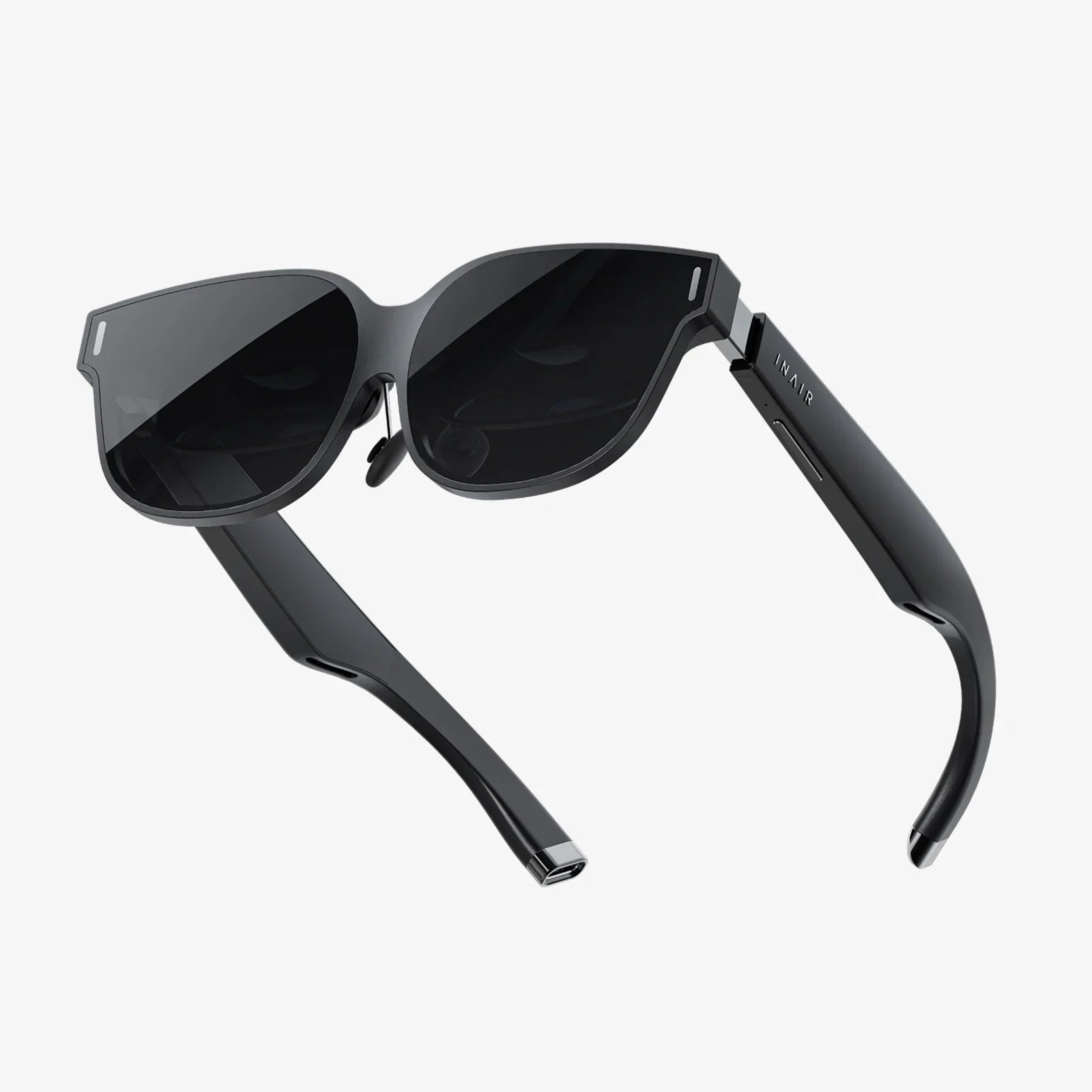
The current growth is merely a prelude to a more integrated future. The next evolutionary step will be the move from handheld AR to wearable AR glasses. While today's market is defined by smartphones, the future mobile augmented reality market size will be dominated by sleek, powerful glasses that offer a truly hands-free, always-available experience. The development of these devices, alongside advancements in 5G/6G connectivity for low-latency cloud processing, artificial intelligence for smarter context awareness, and more precise spatial mapping, will unlock applications we can only begin to imagine. This will not replace the smartphone-based market but will expand it into a new, even larger paradigm, creating a continuous ecosystem of AR experiences across multiple form factors.
The staggering numbers defining the mobile augmented reality market size are a beacon, signaling the arrival of a new layer of reality. This is a frontier where digital and physical converge, creating unparalleled opportunities for innovation, connection, and economic value. From transforming global industries to reshaping everyday social interactions, the journey has just begun, and the potential for growth is limited only by our imagination. The market's value is a mere reflection of its profound capacity to change the world, one augmented experience at a time.
Share:
Latest Augmented Reality News: The Dawn of a New Digital Epoch
Mobile VR Glasses Market: Navigating the Next Wave of Immersive Consumer Technology