


- by wangfred
Modern Virtual Reality: Beyond the Hype and Into Our Reality
- by wangfred
Remember the first time you strapped on a modern virtual reality headset? That moment of breathtaking immersion, where the familiar confines of your living room dissolved into an infinite digital cosmos? It’s a sensation that is no longer confined to research labs or science fiction; it’s a tangible, powerful, and increasingly accessible technology that is poised to redefine the human experience. Modern virtual reality is not just about playing games or watching 360-degree videos; it’s a portal to new worlds, a tool for profound change, and a mirror reflecting both our greatest aspirations and our deepest ethical dilemmas. This is the story of how a nascent technology grew up, and how it’s beginning to reshape our reality from the inside out.
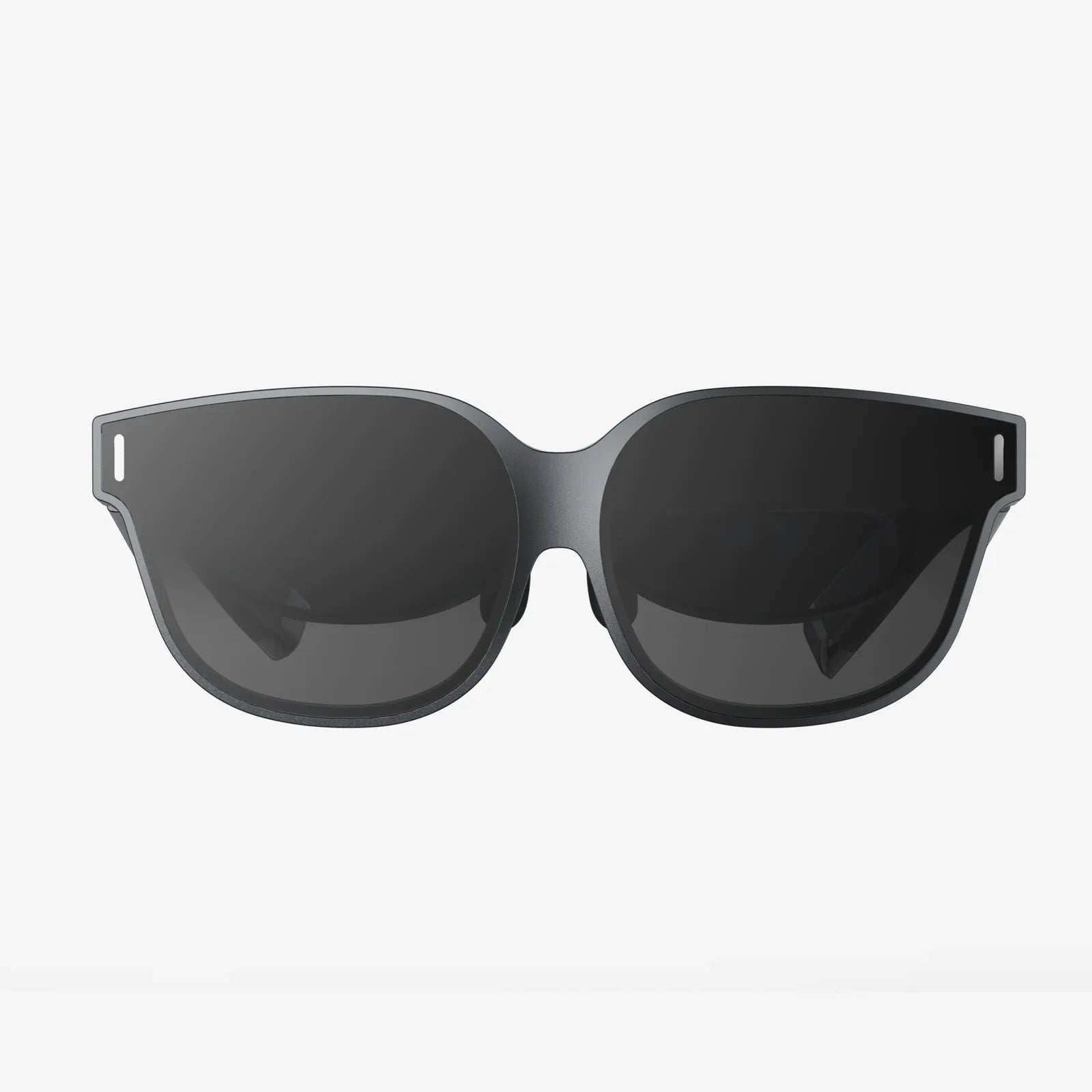
The journey of modern virtual reality begins with the hardware—the physical conduit between our reality and the digital one. The clunky, low-resolution prototypes of yesteryear have given way to a new generation of sophisticated headsets that prioritize comfort, clarity, and intuitive interaction. These devices are marvels of miniaturization, packing high-density displays, precise inside-out tracking cameras, and complex arrays of sensors into increasingly streamlined form factors.
We are witnessing a pivotal shift in the hardware landscape, broadly categorized into three camps. Standalone headsets represent the pinnacle of accessibility and convenience. These all-in-one devices contain the processor, battery, and displays within the headset itself, untethering the user completely from external computers. This wireless freedom is a game-changer, allowing users to explore virtual environments without tripping over cables or being confined to a single room. The processing power within these self-contained units is now sufficient to deliver stunningly immersive and visually rich experiences, making high-quality VR truly democratic.
On the other end of the spectrum, PC-connected headsets offer uncompromising performance for the ultimate VR enthusiast. Tethered to a powerful computer, these devices leverage external graphics processing units to render incredibly detailed, complex, and expansive virtual worlds with high refresh rates that ensure buttery-smooth motion. This category is the engine room for cutting-edge simulations, hyper-realistic social environments, and the most graphically intensive games, pushing the boundaries of what is visually possible in VR.
Finally, console-based systems have brought a curated, high-performance VR experience into the living room of millions of consumers. By integrating seamlessly with popular gaming consoles, these systems offer a plug-and-play approach that lowers the barrier to entry while still delivering a premium, polished experience. This ecosystem has been instrumental in normalizing VR and introducing it to a massive, mainstream audience.
Beyond the visuals, the evolution of controllers has been equally critical. Gone are the simple wands; modern motion controllers are ergonomic extensions of the user’s hands, featuring intricate haptic feedback systems, finger-tracking capabilities, and adaptive triggers. They can simulate the weight of an object, the recoil of a tool, or the subtle texture of a surface. Furthermore, the emerging technology of inside-out tracking has eliminated the need for external sensors placed around the room. Cameras on the headset itself now map the physical environment and track the controllers within it, making setup instantaneous and use frictionless. This hardware revolution has successfully built a reliable, compelling, and increasingly comfortable gateway to virtual spaces.
Hardware is merely a vessel; it is the software that gives it a soul. The ecosystem of modern virtual reality content has exploded from simple tech demos into a rich tapestry of applications spanning entertainment, productivity, and social connection. This is where the true magic of VR is realized.
In the realm of gaming, VR has unlocked entirely new genres and reinvigorated old ones. It’s no longer about playing a game; it’s about inhabiting it. Players physically duck behind cover, aim down sights by bringing their hands to their face, and solve puzzles by manipulating objects with their own hands. This embodied interaction creates a level of presence and emotional investment that flat screens cannot match. From heart-pounding horror titles that feel terrifyingly real to whimsical puzzle adventures that transform your room into a playground, VR gaming is a testament to the power of interactive storytelling.
However, to view modern virtual reality solely through the lens of gaming is to miss its vast potential. The enterprise and professional sectors are undergoing a quiet revolution powered by VR. Architects and engineers now walk clients through photorealistic, full-scale models of unbuilt structures, identifying design flaws before a single brick is laid. Medical students practice complex surgical procedures on virtual patients, honing their skills in a risk-free environment that provides detailed performance analytics. Corporate teams scattered across the globe meet in virtual boardrooms, collaborating on 3D data models as if they were in the same physical space. This application of VR for training, simulation, and visualization is driving efficiency, enhancing safety, and saving billions of dollars.
Perhaps one of the most profound impacts of VR is in the field of healthcare and therapy. Clinicians are using carefully controlled virtual environments to treat patients with phobias, such as a fear of heights or flying, by gradually exposing them to their triggers in a safe setting. For patients undergoing painful medical procedures or enduring long-term hospitalization, VR serves as a powerful distraction therapy, transporting them to calming beaches or serene forests to reduce anxiety and perceived pain. Furthermore, VR-based physical rehabilitation programs are helping stroke victims and injury survivors regain motor function by turning repetitive exercises into engaging games, dramatically improving patient motivation and outcomes.
One of the most unexpected yet powerful evolutions of modern virtual reality is its emergence as a potent social platform. The early concept of VR was often portrayed as an isolating experience, but the reality is quite the opposite. Social VR platforms have created persistent digital worlds where people can gather, interact, and form genuine communities.
In these spaces, users are represented by customizable avatars—digital embodiments that range from cartoonish to photorealistic. The technology of motion tracking ensures that these avatars are not static statues; they mirror the user’s body language, gestures, and eye contact. This non-verbal communication is the bedrock of human interaction, and its replication in VR fosters a powerful sense of shared presence. You can high-five a friend who lives on another continent, sense their hesitation in a conversation by their avatar’s posture, or feel the energy of a crowd at a virtual concert.
This has given rise to a new form of social gathering. People attend virtual meetups, watch movies together in digital theaters, play games, and even host conferences and classes. For those grappling with physical isolation, social anxiety, or mobility issues, these platforms offer a revolutionary way to connect with others, reducing loneliness and building community. It represents a fundamental shift from simply sharing information on a social media feed to sharing experiences in a common space. Modern virtual reality is not pulling us apart; it’s building new, meaningful bridges of human connection.
Despite its remarkable progress, the path forward for modern virtual reality is not without significant obstacles and ethical questions. The issue of accessibility remains paramount. While prices have fallen, the cost of high-end hardware and the powerful computers needed to run it is still a barrier for many. Creating truly inclusive experiences for users with different physical abilities is also an ongoing challenge that developers must prioritize.
On a more profound level, the very immersion that makes VR so powerful also introduces a host of ethical concerns. As these digital worlds become more compelling and persistent, questions about data privacy become critical. The amount of biometric and behavioral data a VR system can collect is unprecedented—precise eye movements, body tracking, vocal inflections, and even emotional responses. Who owns this data? How is it used and protected?
Furthermore, the concept of reality itself may become blurred. Prolonged exposure to hyper-realistic virtual environments could potentially lead to psychological effects like dissociation or the “Proteus effect,” where users begin to embody the traits of their avatar. The potential for misuse is also alarming, from highly realistic propaganda and misinformation to new forms of harassment and virtual crime. Establishing a legal and ethical framework for these “metaverses” is one of the most pressing challenges facing technologists, policymakers, and society as a whole. Navigating this frontier responsibly will be crucial for ensuring that virtual reality remains a force for good.
The trajectory of modern virtual reality points toward a future where the line between the digital and the physical is not just blurred but seamlessly integrated. We are moving towards the concept of the “metaverse”—a collective, persistent, and interconnected network of virtual spaces. This won’t replace the internet but will become a spatial, 3D embodiment of it, a place for work, play, and socializing.
Technological advancements on the horizon promise to deepen immersion to unimaginable levels. Varifocal displays will dynamically adjust to where the user is looking, solving the vergence-accommodation conflict that can cause eye strain and making virtual objects feel truly solid. Haptic feedback suits will evolve from simple vibrations to full-body systems that can simulate temperature, pressure, and even the impact of virtual rain or wind. Breakthroughs in brain-computer interfaces (BCI), though far off, hint at a future where we might navigate virtual worlds through thought alone.
Ultimately, the most exciting applications of VR likely haven’t even been invented yet. It will become a standard tool for remote collaboration, a new canvas for artists, the primary venue for live events, and a fundamental way we experience stories and learn about our world. It will allow us to walk on Mars, explore the depths of the ocean, or step inside a human cell.
The headset you strap on today is just the beginning. It’s the telegraph before the telephone, the black-and-white film before IMAX. Modern virtual reality is no longer a novelty; it is a foundational technology, a new medium that is only just beginning to reveal its potential to transform, connect, and expand the very essence of human experience. The door is open, and an entire universe of possibility awaits on the other side.