


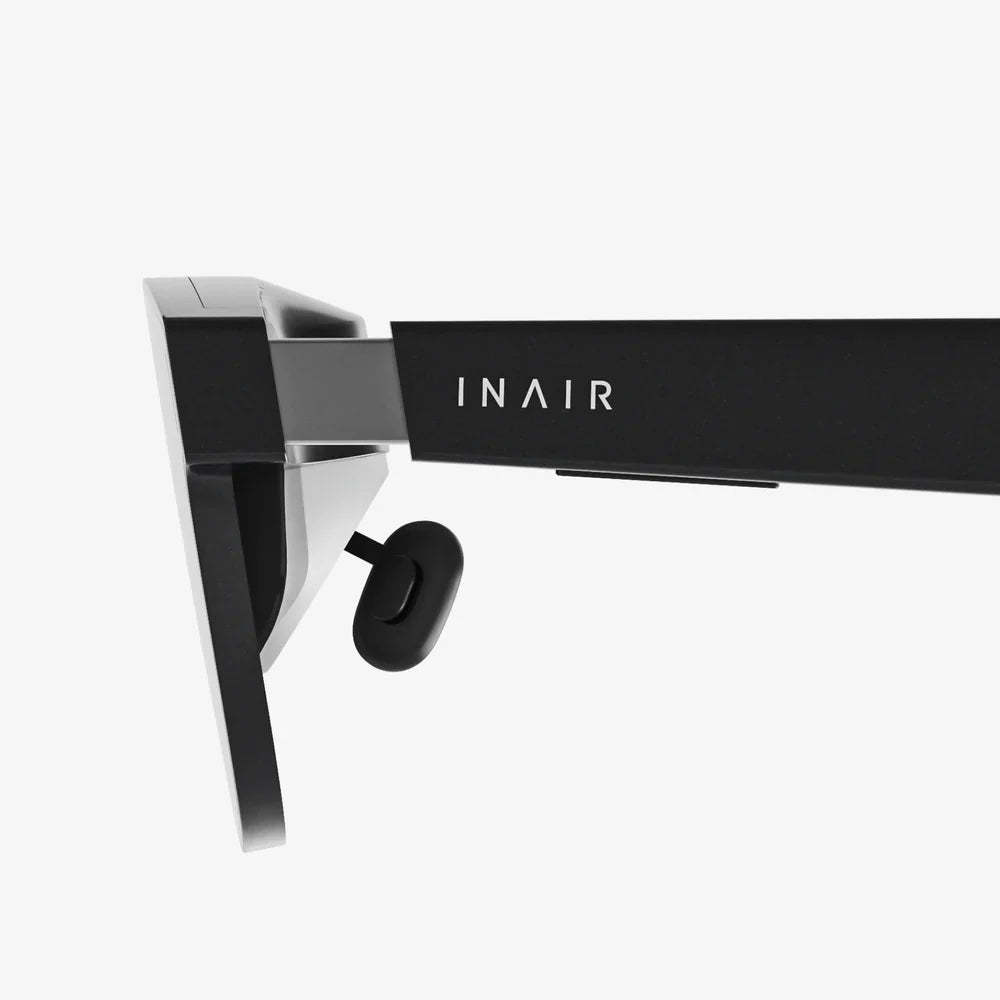
Imagine a device that doesn’t just sit in your pocket or on your wrist, but one that transports your entire consciousness to another world. This is the profound promise of virtual reality wearables, a technology rapidly evolving from a niche gaming curiosity into a platform poised to revolutionize every facet of human experience. From the way we work and learn to how we connect and heal, these sophisticated headsets and accompanying gear are not just changing the screen we look at; they are fundamentally altering our perception of reality itself. The journey beyond the screen has begun, and it is an immersive, transformative, and utterly compelling one.
The Technological Pillars of Immersion
The magic of modern virtual reality wearables is built upon a convergence of several advanced technologies, each pushing the boundaries of what is possible. Understanding these core components is key to appreciating the sophistication of these devices.
Visual Fidelity: The Window to Another World
At the heart of any virtual reality wearable is the display system. Early iterations were plagued by low resolution, causing a distracting "screen door effect" where users could see the gaps between pixels. Today, high-resolution Micro-OLED and Fast-Switch LCD panels have largely eliminated this issue, offering stunning clarity. Equally important is the field of view (FOV). The human eye has a horizontal FOV of roughly 210 degrees; while current devices haven't reached that pinnacle, they are steadily expanding beyond the 100-degree mark, creating a more encompassing and less binocular-like experience. To prevent simulation sickness—a feeling of nausea akin to motion sickness—these displays must also feature incredibly high refresh rates, often 90Hz or 120Hz and beyond, ensuring motion is rendered smoothly and without lag.
Precise Tracking and Unrestrained Movement
For immersion to hold, the virtual world must respond to your movements with perfect accuracy. This is achieved through a combination of inside-out and outside-in tracking systems. Inside-out tracking uses cameras and sensors mounted directly on the headset to map the environment and track the position of controllers, freeing the user from external sensors. Outside-in tracking, often considered the gold standard for precision, uses external base stations to precisely triangulate the position of the headset and controllers within a room-scale space. This allows users to physically walk around, duck, and dodge within a virtual environment, making the experience intensely physical.
Haptic Feedback and Embodied Interaction
True immersion is not a purely visual affair. The sense of touch is critical for believing in a virtual object. This is where haptic technology comes in. Advanced controllers now include nuanced rumble motors that can simulate everything from the gentle recoil of a bowstring to the jarring impact of a virtual punch. The next frontier is haptic gloves and full-body suits, which aim to provide tactile feedback directly to the skin, simulating texture, pressure, and resistance. This evolution from holding a tool to feeling like you are the tool is a monumental leap for virtual reality wearables, moving users from observers to active inhabitants of the digital realm.
Audio: The Unsung Hero of Presence
3D spatial audio is arguably just as important as visual fidelity for creating a believable world. Using head-related transfer function (HRTF) algorithms, virtual reality wearables can simulate sounds coming from specific points in three-dimensional space. The gentle rustle of leaves behind you, the distant echo of footsteps in a cavern, or the close whisper of a character—all are rendered with precise directional cues. This auditory layer tricks the brain into completing the illusion, making the environment feel tangible and real, even if your eyes are closed.
Transforming Industries Beyond Entertainment
While gaming remains a massive driver of adoption, the applications for virtual reality wearables extend far beyond, infiltrating and improving numerous professional fields.
Revolutionizing Education and Training
Imagine medical students performing intricate virtual dissections without ever touching a cadaver, or history classes where students can walk through ancient Rome at the height of its power. Virtual reality wearables offer experiential learning that is impossible to replicate in a textbook. For high-stakes professions, the training implications are profound. Surgeons can practice complex procedures, pilots can navigate emergency scenarios, and firefighters can train for dangerous blazes—all within a risk-free, repeatable, and measurable virtual environment. This hands-on practice builds muscle memory and critical decision-making skills safely and effectively.
The Future of Remote Work and Collaboration
The concept of the "metaverse" is intrinsically linked to virtual reality wearables, promising a new paradigm for remote work. Instead of a grid of faces on a video call, colleagues from across the globe can meet as lifelike avatars in a shared virtual boardroom, brainstorming on a 3D model or examining a full-scale architectural prototype. This sense of shared presence fosters a deeper level of collaboration and connection than traditional remote tools can offer, potentially reducing travel needs and creating a more equitable and engaging digital workspace.
Healthcare and Therapeutic Breakthroughs
The therapeutic potential of virtual reality wearables is vast and already being realized. They are being used for exposure therapy, helping patients with phobias or PTSD confront and manage their triggers in a controlled setting. For physical rehabilitation, engaging VR games can motivate patients to complete repetitive exercises for motor skills recovery. Furthermore, VR has proven effective in pain management, distracting patients during painful procedures like wound care or burn treatment by immersing them in calming, engaging environments.
Architecture, Design, and Retail
For architects and interior designers, virtual reality wearables are a game-changer. Clients can don a headset and literally walk through a building before the foundation is even poured, experiencing the scale, flow, and lighting of a space. This eliminates costly changes later in the construction process. Similarly, the retail sector is exploring virtual showrooms, allowing customers to try on clothes, customize cars, or place virtual furniture in their actual living room to see how it fits and looks, all from their homes.
Navigating the Ethical and Societal Landscape
With such powerful technology comes a host of ethical questions and potential societal challenges that must be addressed proactively.
The Data Privacy Dilemma
Virtual reality wearables are arguably the most intimate data-gathering devices ever created. They don't just track your location; they map your physical environment, track your eye gaze, your pupil dilation, your body movements, and even your emotional responses. This biometric data is incredibly valuable and sensitive. The question of who owns this data, how it is stored, and how it might be used (for advertising, insurance, or even manipulation) is a pressing concern that requires robust legal and ethical frameworks to prevent misuse.
The Psychological Impact and Reality Blurring
As experiences become more realistic, the line between the virtual and the real may begin to blur. Prolonged use could potentially lead to issues of dissociation or difficulty differentiating between memories of real and virtual events. Furthermore, the ability to create and inhabit idealized virtual worlds raises concerns about escapism and social isolation. If a virtual life is more rewarding than a real one, what are the long-term psychological consequences? The industry must prioritize user well-being and encourage healthy usage patterns.
Accessibility and the Digital Divide
There is a real risk that the benefits of virtual reality wearables could become a privilege for the wealthy, exacerbating existing social and economic inequalities. The cost of high-end hardware, plus the need for powerful computing systems and high-bandwidth internet, creates significant barriers to entry. Ensuring that this transformative technology is developed with accessibility in mind—for those with physical disabilities and for lower-income communities—is crucial to prevent a new, immersive form of digital divide.
The Future is Wearable and Unseen
The current generation of headsets, while impressive, is still a stepping stone. The future of virtual reality wearables points toward miniaturization and integration. The goal is to move from bulky headsets to sleek, socially acceptable glasses and eventually to contact lenses or even direct neural interfaces. Research into brain-computer interfaces (BCIs) suggests a future where we might control virtual environments with our thoughts alone, eliminating the need for controllers entirely. This path leads to a form of always-on, augmented reality that seamlessly blends the digital and physical worlds, a concept often referred to as the "mirrorworld" or the "spatial web."
We are standing at the precipice of a new era, one defined not by the devices we carry but by the realities we choose to inhabit. Virtual reality wearables are the key to unlocking these worlds, offering a canvas for human creativity, connection, and exploration on an unprecedented scale. The challenges are significant, but the potential to enhance education, revolutionize industries, and deepen our understanding of human consciousness is too great to ignore. The headset is more than a piece of technology; it is a passport, and the journey is just beginning.
Share:
Sharing of Immersive Virtual Reality: The Next Frontier in Human Connection
Modern Virtual Reality: Beyond the Hype and Into Our Reality