


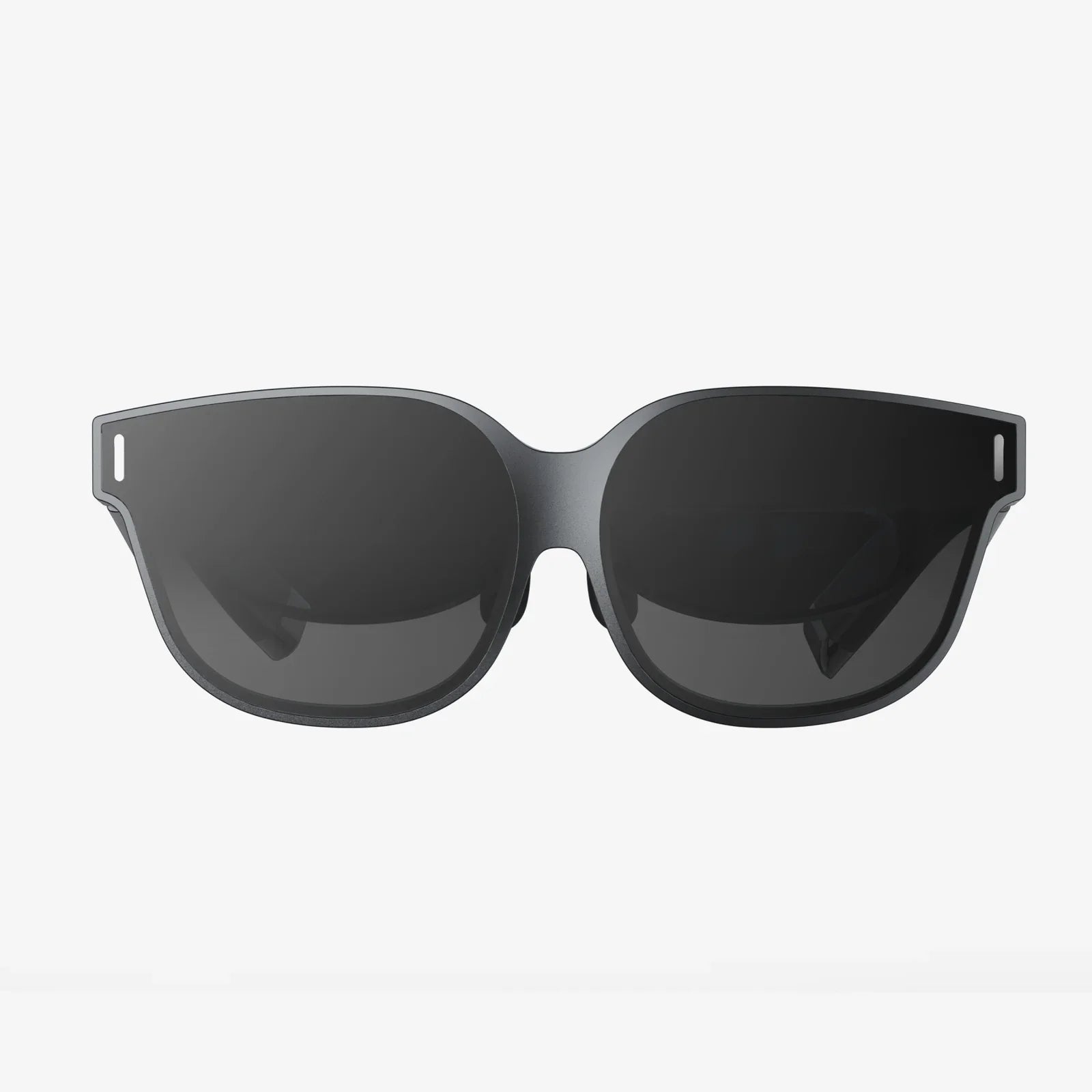
Imagine a world where you can stand on the surface of Mars with a friend who lives across the globe, share a heart-pounding adventure as if you were side-by-side, or walk through a meticulously designed architectural model with a client before a single brick is laid. This is no longer the stuff of science fiction; it is the burgeoning reality made possible by the sharing of immersive virtual reality. This technological leap is not just about what we see through a headset, but about who we can experience it with. The true power of VR is shifting from a solitary spectacle to a profoundly social platform, redefining the very fabric of human interaction, collaboration, and empathy. We are on the cusp of a new era of connection, one where physical presence is no longer a prerequisite for shared experience, and the implications are nothing short of revolutionary.
The Evolution of a Solitary Experience into a Social Platform
In its earliest consumer iterations, virtual reality was often perceived as a profoundly isolating technology. The image of an individual, face obscured by a bulky headset, physically present but mentally and sensorily transported to another world, reinforced the idea of VR as the ultimate escape from reality—a solitary confinement of one's own choosing. The experiences were incredible, but they were largely personal. You could be a superhero, an explorer, or a star pilot, but you couldn't easily share that identity or the awe it inspired with anyone else in real-time.
The paradigm began to shift with the development of robust social VR platforms. These are not merely games with multiplayer modes; they are persistent digital spaces designed explicitly for human interaction. Users, represented by customizable avatars, can gather in virtual living rooms, attend concerts in fantastical venues, collaborate in digital workspaces, or simply hang out and watch a movie on a virtual screen that feels as big as an IMAX theater. The technology enabling this sharing has advanced rapidly, moving from simple voice chat to incorporating motion tracking of heads and hands, allowing avatars to gesture, wave, and high-five, adding a crucial layer of non-verbal communication that is essential for genuine connection.
The Technical Architecture of Shared Presence
Creating a seamless shared VR experience is a monumental technical challenge. It requires a complex symphony of synchronized technologies working in perfect harmony.
- Network Synchronization: For a shared experience to feel "real," the virtual world must be perfectly consistent for all participants. This means that the position of every object, the movement of every avatar, and every sound must be updated and transmitted across the network with extremely low latency. Advanced networking protocols and cloud computing infrastructure are employed to ensure that when one user picks up a virtual object, every other user sees it happen instantly, without lag or de-synchronization, which can instantly break the sense of presence.
- Avatar Embodiment: A critical component of social VR is the avatar—your digital body. Research shows that the more accurately an avatar reflects a user's movements and intentions, the stronger the feeling of social presence. Full-body tracking, eye-tracking, and even emerging technology for facial expression tracking are being integrated to make avatars more lifelike and expressive. This allows for the subtle, nuanced communication—a tilt of the head, a direct gaze, a shrug—that makes interactions feel authentic.
- Spatial Audio: Sound is just as important as sight for immersion. Spatial audio technology mimics how sound works in the real world. If a friend is speaking to your right in a virtual space, their voice will sound like it's coming from your right. As they walk away, their voice will get quieter and more muffled. This allows for natural, overlapping conversations and the ability to focus on individuals in a crowded virtual room, just as you would at a real party.
Transcending Geography: The New Frontiers of Collaboration
One of the most immediate and powerful applications of shared VR is in the realm of professional collaboration. The limitations of traditional video conferencing are starkly apparent when compared to the possibilities of a shared virtual workspace.
Imagine a team of engineers, scattered across different continents, standing inside a full-scale, interactive 3D model of a new jet engine. They can point to specific components, disassemble parts virtually to examine internal mechanisms, and annotate the model in real-time. This is a far cry from sharing a 2D schematic on a screen. In the medical field, surgeons can collaborate in a virtual operating theater, practicing complex procedures on detailed anatomical models before performing them on actual patients. Medical students can observe these procedures from the best possible vantage point—as if they were standing right next to the attending surgeon.
Architects and real estate developers are using shared VR to walk clients through unbuilt properties. A family can experience the flow of their future home, comment on the placement of windows, and get a true sense of scale and space, making collaborative design decisions with unparalleled clarity. This shared understanding, born from a common experience, dramatically improves communication, reduces errors, and saves significant time and resources.
The Empathy Machine: Fostering Deeper Human Understanding
Perhaps the most profound potential of shared immersive reality lies in its ability to foster empathy and human understanding. VR has been famously described as "the ultimate empathy machine" because of its power to place you directly in someone else's shoes, to see the world through their eyes.
This potential is magnified exponentially when the experience is shared. Instead of just watching a documentary about the life of a refugee, you and a group of classmates can experience a simulated day in a refugee camp together. Afterwards, you can turn to each other, process the experience in real-time, and discuss the emotional impact. This shared context creates a powerful foundation for meaningful dialogue and collective learning.
Therapists are exploring the use of shared VR environments to conduct exposure therapy for patients with phobias or PTSD. A therapist can guide a patient through a stressful scenario from the safety of the virtual world, being present with them to provide support and coaching throughout the process. The shared space allows the therapist to observe the patient's reactions more intimately and tailor the experience dynamically, creating a powerful therapeutic alliance.
Challenges and Considerations on the Path to Widespread Adoption
Despite its incredible promise, the path to ubiquitous shared VR is not without significant obstacles.
- The Accessibility Hurdle: The cost of high-quality VR hardware, while decreasing, remains a barrier for many. Creating truly inclusive and widespread shared spaces requires the technology to become as affordable and ubiquitous as smartphones.
- Privacy and Data Security: Immersive VR collects a vast amount of biometric and behavioral data—precise movements, gaze direction, even physiological responses. Protecting this deeply personal data from misuse is a paramount concern that the industry must address with robust, transparent policies.
- Ethical Design and Moderation: Virtual spaces can, unfortunately, be host to the same negative behaviors found online—harassment, bullying, and abuse. The feeling of immersion can make these experiences feel even more violating. Creating safe, well-moderated environments with clear codes of conduct and effective tools for users to protect themselves is essential for healthy communities to flourish.
- The Human Connection Balance: There is a valid concern that as we become more connected virtually, we might become more disconnected from our immediate physical surroundings and the people in them. The goal should not be to replace physical interaction, but to augment our human experience, providing new ways to connect when physical proximity isn't possible.
A Glimpse into the Shared Future
The future of shared VR is hurtling towards us, powered by advancements in haptic technology, artificial intelligence, and neural interfaces. We are moving towards experiences where a handshake in VR will have tactile feedback, where AI-driven digital humans will be indistinguishable from real people in conversations, and where our virtual interactions will feel increasingly seamless and natural.
This technology will continue to blur the lines between the digital and the physical, creating a hybrid reality where our social and professional lives are not confined to one realm or the other. The sharing of immersive virtual reality is not just a new feature of the internet; it is the foundation for a new layer of human reality itself—a persistent, shared space limited only by our collective imagination.
The next time you prepare to don a headset, remember you are not just stepping into a new world alone; you are stepping onto a new frontier of human connection, a digital agora where the constraints of geography and physical form melt away, leaving only the raw potential of shared experience. The door to these collective worlds is now open, inviting us not just to witness the future, but to build it together, one shared moment at a time.
Share:
How Long Until Fully Immersive Virtual Reality: A Roadmap to the Metaverse
Virtual Reality Wearables: The Next Frontier in Human-Computer Interaction