


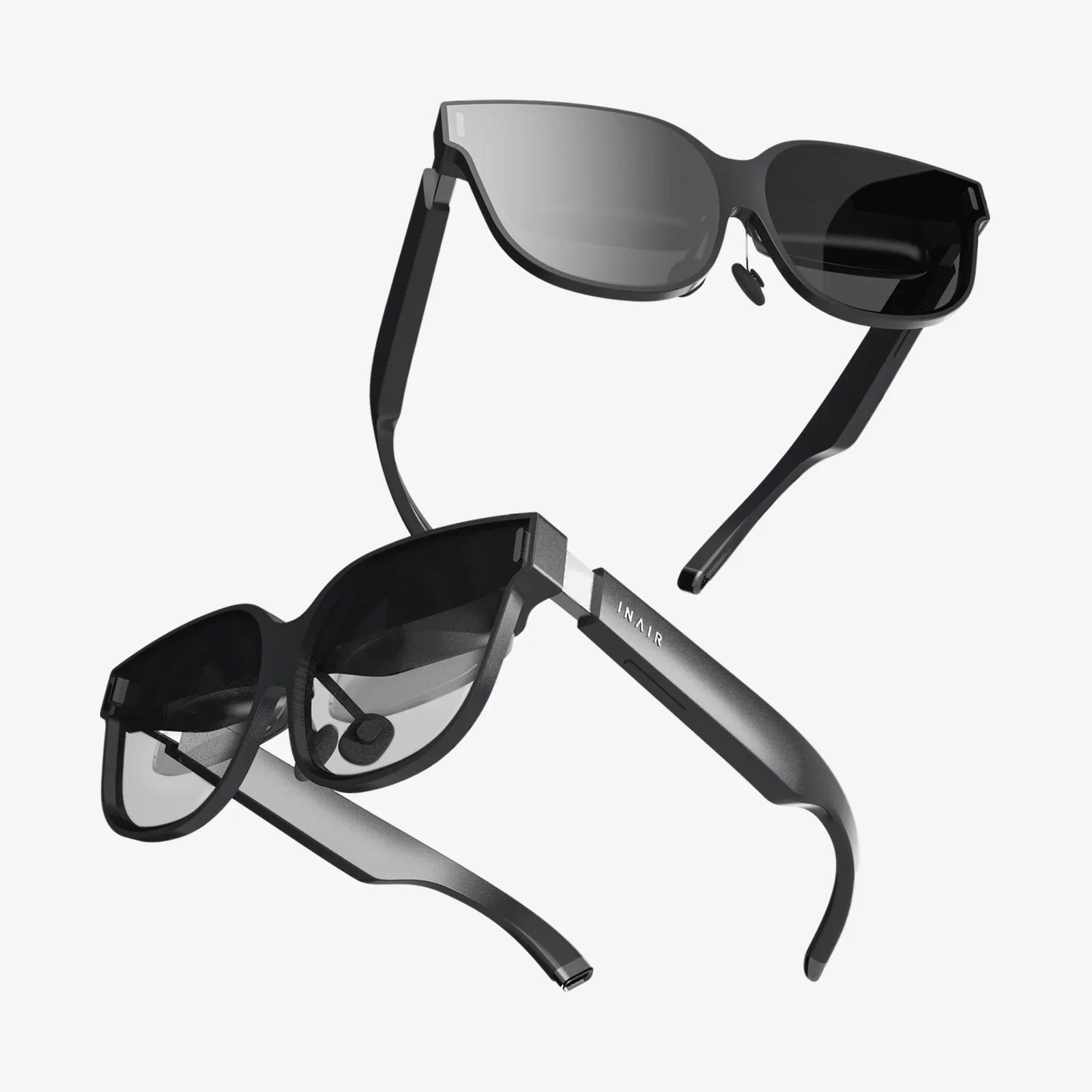
Imagine strapping on a headset and instantly being transported to a front-row concert seat, a meticulously recreated ancient ruin, or a virtual meeting room where colleagues from across the globe feel like they're sitting right beside you. This is the promise of virtual reality, a technological marvel that has exploded in popularity. Yet, for many, the perception persists that this gateway to new worlds is locked behind a prohibitively expensive door. What if you could crack that door open without cracking your savings? The quest for the most affordable VR headset is not about settling for less; it’s about smart, accessible entry into the next dimension of digital experience.
Demystifying the VR Landscape: More Than Just a Price Tag
Before diving into budgets, it's crucial to understand the different categories of VR headsets, as this fundamentally dictates their cost structure and capabilities. The market is broadly split into three distinct camps.
Standalone VR Headsets: The All-in-One Powerhouses
Standalone headsets are the epitome of convenience and accessibility. These devices have all the necessary computing hardware—processor, memory, sensors—built directly into the headset itself. There are no wires tethering you to a powerful computer or gaming console. You simply charge the device, put it on, and dive in.
This self-contained nature makes them the most popular category for users seeking the most affordable VR headset that doesn't require additional hardware investments. They are designed for ease of use, often featuring inside-out tracking (where cameras on the headset track your controllers and environment without external sensors) and a robust, curated library of games and applications. For the average consumer looking to experience VR for the first time, a standalone device is frequently the most recommended and logical starting point.
PC-Powered VR Headsets: The High-Fidelity Experience
On the other end of the spectrum are PC-powered, or tethered, headsets. These devices act primarily as high-resolution displays and motion-tracking portals. The heavy lifting—the rendering of complex, graphically intensive virtual worlds—is handled by a connected gaming desktop or laptop computer.
The requirement for a capable VR-ready PC, which itself represents a significant investment, places this category in a higher price bracket overall. However, the payoff is an unparalleled level of visual fidelity, processing power, and access to vast PC gaming libraries. While the headset itself might be found at a competitive price, the total cost of ownership must include the price of the requisite high-end computer.
Console-Based and Smartphone VR: The Niche Alternatives
Two other categories have historically played a role in making VR more affordable, though their prevalence has shifted.
Console-based VR, exemplified by hardware designed for specific game consoles, offers a compelling middle ground. It provides a more powerful and streamlined experience than mobile VR but remains more affordable and user-friendly than a full PC-VR setup, as it leverages the relatively lower cost of the console hardware.
Smartphone VR, which uses a user's mobile phone as the display and brain of the headset, was once the primary path to affordable VR. While this market has significantly dwindled, with support from major tech companies fading, it remains a testament to the earliest efforts to democratize virtual reality. Finding new, purpose-built hardware in this category is now challenging, though existing users can still access a range of simple experiences.
What Truly Defines "Affordable" in VR?
Affordability is a relative term, but in the VR context, it generally points to headsets that provide a compelling and complete experience for a few hundred dollars or less, without mandating the purchase of other expensive hardware. The goal is a low barrier to entry, not a compromised one. The best affordable headsets still deliver solid performance, a comfortable design, and a rich content ecosystem.
Key Features to Prioritize (and What You Can Compromise On)
When operating within a budget, making intelligent trade-offs is essential. Not all features are created equal, and understanding which ones are crucial for a good experience will guide you toward the right headset.
Display Resolution and Refresh Rate: The Clarity Question
The quality of the screen(s) inside the headset is paramount for immersion and comfort. A higher resolution means a sharper image with less visible "screen-door effect" (the faint grid lines between pixels). For a comfortable experience, a resolution of at least 1832 x 1920 pixels per eye is a good modern baseline.
The refresh rate, measured in Hertz (Hz), dictates how smoothly motion appears. A higher rate (90Hz and above) reduces motion blur and, for some users, minimizes the potential for motion sickness. Most affordable standalone headsets now meet or exceed this threshold, making for a pleasant viewing experience.
Tracking and Controllers: Your Virtual Hands
How the headset tracks your movement and translates your real-world actions into the virtual space is critical. Inside-out tracking is now standard on affordable headsets and is highly effective, using cameras on the headset to map the room and follow the controllers. The controllers themselves should feel ergonomic, responsive, and feature intuitive button layouts. Haptic feedback (subtle vibrations) is a valuable addition that greatly enhances immersion.
Content Library: The Soul of the Device
A headset is useless without software. The most affordable VR headset must be backed by a vibrant, accessible storefront filled with games, social apps, creative tools, and experiential content. The depth and quality of this ecosystem are often what separate a good value from a poor one. A strong library ensures your investment continues to provide new experiences long after the initial purchase.
Comfort and Design: The Long-Haul Factor
VR is an active medium. You might be standing, turning, and swinging your arms. A poorly designed headset that is front-heavy, poorly balanced, or made from cheap materials will become uncomfortable quickly, pulling you out of the experience. Look for adjustable straps, padded interfaces, and a design that distributes weight evenly across your head and face. Comfort is a feature you should not undervalue.
The Smart Buyer's Checklist: Navigating Your Purchase
Arming yourself with the right questions is the best way to ensure you get the best value for your money.
- Research the Ecosystem: Before falling for a headset's price, explore its app store. Does it have the games and apps you want? Is it actively supported by developers?
- Consider the Hidden Costs: Is the headset truly all-in-one? Are there mandatory accessories for a full experience, like a upgraded head strap or additional face gaskets, that add to the total cost?
- Read Reviews, Not Just Specs: Specifications tell part of the story, but user and critic reviews reveal the real-world experience. Pay attention to comments on comfort, software stability, and long-term satisfaction.
- Think About the Future: While buying the most affordable option, consider its longevity. Will the company continue to support it with software updates? Is there a path to upgrading controllers or accessories later?
The Evolution of Value: How VR Became More Accessible
The journey to today's affordable VR market is a story of rapid technological maturation. Early PC-powered headsets were complex and costly, requiring a niche setup. The breakthrough came with the development of all-in-one standalone technology. By integrating the necessary components and leveraging economies of scale, manufacturers could produce capable headsets at a consumer-friendly price point. Furthermore, advancements in inside-out tracking eliminated the need for expensive external sensor towers, simplifying setup and reducing cost. This relentless innovation has continuously pushed the boundary of what's possible at lower price points, making high-quality VR a reality for millions.
Beyond Gaming: The Expansive World of Affordable VR
While gaming is a massive driver of VR, the value of an affordable headset extends far beyond. They are powerful tools for:
- Fitness and Health: A plethora of engaging VR fitness apps turn exercise into a fun, immersive game, from rhythm-based workouts to simulated boxing.
- Social Connection: Platforms exist where you can meet friends, watch movies together, attend live events, or simply hang out in virtual spaces as expressive avatars, making distance feel irrelevant.
- Productivity and Learning: Use massive virtual screens for your computer workspace, explore human anatomy in 3D, or take virtual tours of historical sites for an unparalleled educational experience.
- Media Consumption: Transform your living room into a personal movie theater with a screen that feels stories high, all from the comfort of your headset.
This versatility ensures that an affordable VR headset is not a one-trick pony but a multifaceted window into new forms of entertainment, connection, and utility.
The dream of virtual reality is no longer a distant, expensive fantasy. Tucked within the current market is a perfect gateway—a headset that offers stunning immersion, a vast library of experiences, and seamless operation, all for a price that redefines value. This isn't about finding the cheapest option; it's about discovering the key that unlocks infinite worlds without locking away your finances. The most compelling journey doesn't start with the highest price tag, but with the smartest choice, proving that the future of adventure is now within everyone's reach.
Share:
Best Buy VR Headset: Your Ultimate Guide to Navigating the Virtual Frontier
How to Hook Up VR Headset to PC: The Ultimate Setup and Troubleshooting Guide