


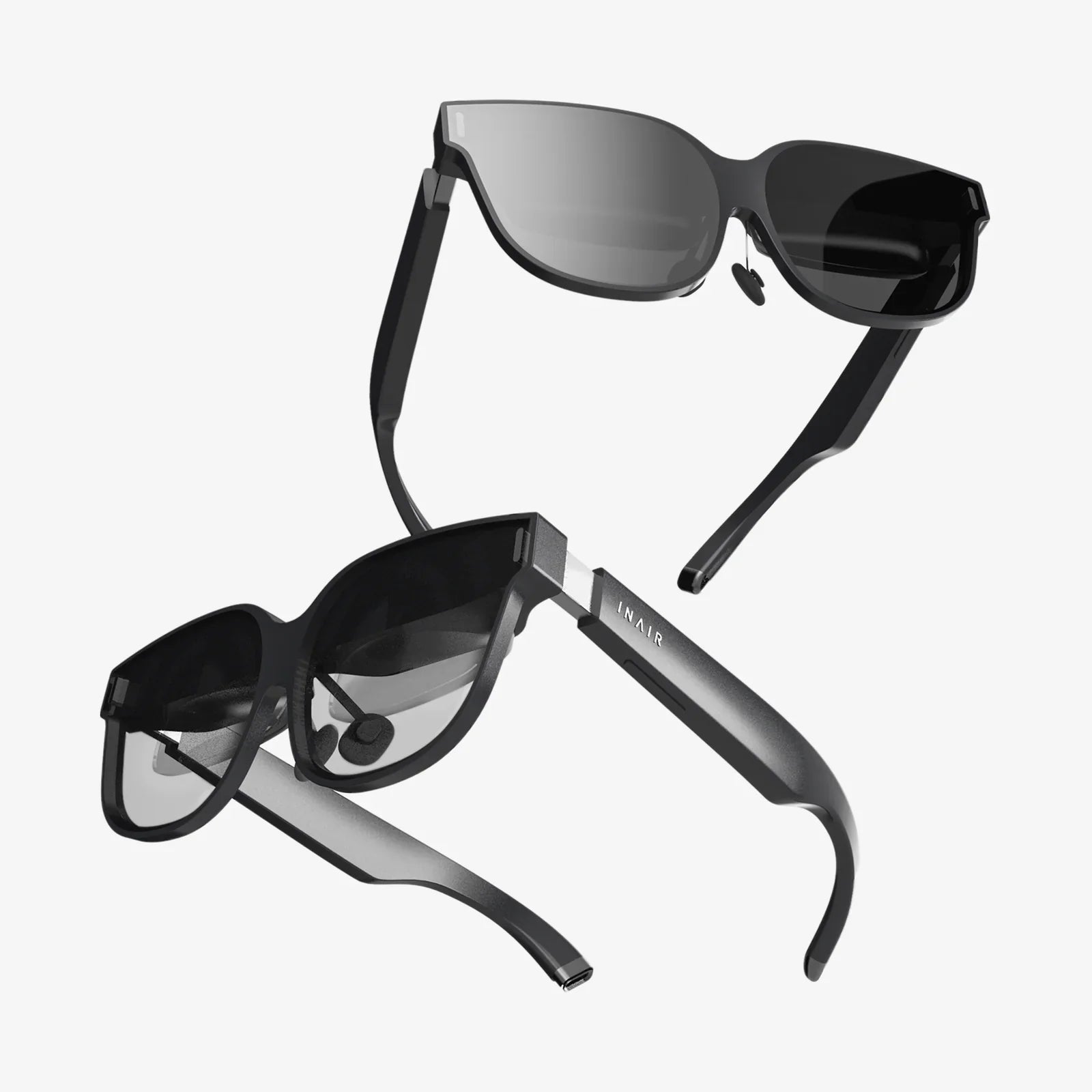
Imagine stepping through a portal into another world, a dimension where the only limit is imagination, where you can scale Everest, explore the depths of the ocean, or design a car—all from your living room. This is the promise of virtual reality, a technology that has evolved from a sci-fi fantasy into a breathtakingly real consumer experience. But with a landscape teeming with options, how do you find the best buy VR headset that unlocks this potential for you? The answer isn't a single model; it's the headset that perfectly aligns with your digital aspirations, technical ecosystem, and budget. This definitive guide cuts through the noise, empowering you to make an informed decision and claim your passport to the virtual frontier.
The Pillars of VR: Understanding What Truly Matters
Before comparing specs, it's crucial to understand the core components that define the quality of a VR experience. These are the pillars upon which your immersion will be built.
Display and Visual Fidelity: The Window to Another World
The display is your lens into the virtual world, and its quality is paramount. Two key specifications dominate here: resolution and refresh rate.
- Resolution: Measured in pixels per eye, higher resolution means a sharper, clearer image with less visible "screen door effect" (the faint grid-like appearance between pixels). For a truly immersive experience, look for headsets offering a combined resolution that pushes into the high-definition range.
- Refresh Rate: Measured in Hertz (Hz), this is how many times the image on the screen refreshes per second. A higher refresh rate (90Hz and above) is critical for smooth motion, reducing latency and, most importantly, minimizing the potential for motion sickness. It creates a more natural and comfortable experience, especially in fast-paced games or simulations.
- Field of View (FoV): This is the extent of the virtual world you can see at any given moment, measured diagonally in degrees. A wider FoV (110 degrees or more) enhances the feeling of “being there” by reducing the binocular-like “scuba mask” effect.
Tracking and Controllers: Your Body in the Machine
How the headset translates your real-world movements into the virtual space is a fundamental differentiator. There are two primary tracking methodologies:
- Inside-Out Tracking: Cameras mounted on the headset itself scan your environment to track its position and the movement of its controllers. This method is incredibly user-friendly, requiring no external sensors, making it ideal for simpler setups and broader play spaces.
- Outside-In Tracking: External sensors or base stations placed around your room precisely track the position of the headset and controllers. This system is often hailed for its pinpoint accuracy and lower latency, which is crucial for competitive gaming and professional applications, but it comes with a more complex setup process.
The controllers themselves are your hands in VR. Ergonomic design, intuitive button placement, and accurate haptic feedback are essential for a seamless and engaging experience.
Performance and Platform: The Engine Behind the Experience
VR is computationally intensive. Your choice of headset is often directly tied to the hardware that powers it.
- PC-Powered Headsets: These devices connect to a powerful desktop computer, which acts as the engine rendering the complex virtual worlds. This platform delivers the absolute highest fidelity graphics, most detailed environments, and most advanced experiences. It is the domain of enthusiasts, hardcore gamers, and professionals.
- Standalone Headsets: All the necessary computing hardware is built directly into the headset. They are completely wireless and self-contained, offering unparalleled freedom and convenience. While historically less powerful than their PC-powered counterparts, the latest standalone devices have closed the gap significantly, offering impressive performance for a wide range of games and applications.
- Console-Powered Headsets: A subset of the market is designed to work exclusively with a specific video game console. These offer a curated, high-quality experience that is optimized for that specific hardware, representing a fantastic balance of performance, ease of use, and value.
Comfort and Design: The Long-Haul Test
A headset can have the best specs in the world, but if it's uncomfortable to wear, you won't use it. Key design considerations include:
- Weight Distribution: A well-designed headset uses padding and strap systems (like a rigid halo-style strap or flexible cloth straps) to distribute weight evenly across your head, not just on your face.
- Lens Adjustment: Features like Interpupillary Distance (IPD) adjustment—physically or digitally moving the lenses to match the distance between your eyes—are critical for achieving a clear image and avoiding eye strain.
- Materials: Breathable, replaceable foam facial interfaces and lightweight materials make extended play sessions much more enjoyable.
Defining Your VR Profile: Finding Your Perfect Match
The quest for the best buy VR headset is deeply personal. The right choice depends entirely on answering one question: What do you want to do in VR?
The Hardcore Gamer and Tech Enthusiast
For those who demand the absolute pinnacle of performance, visual fidelity, and a vast library of cutting-edge content, the path is clear. This user prioritizes:
- Maximum Performance: The highest resolutions, widest fields of view, and fastest refresh rates available.
- Extensive Content Library: Access to deep, graphically intensive PC VR titles and mods.
- Precision Tracking: Ultra-accurate outside-in or advanced inside-out tracking for competitive play.
This profile is willing to invest in both the headset and the powerful computer required to run it, valuing top-tier experience above all else.
The Mainstream Explorer and Social User
This user values accessibility, simplicity, and a great all-around experience. They are likely looking for:
- Ease of Use: A simple, straightforward setup process with minimal cables or external hardware.
- Wireless Freedom: The ability to jump into VR anywhere without being tethered to a computer.
- Social and Media Features: Strong emphasis on social VR platforms, fitness applications, and consuming media like VR videos and movies.
- Value Proposition: A compelling balance of features, content, and price.
The Console Loyalist
For owners of a specific modern game console, the choice is beautifully simple. A dedicated headset for that platform offers:
- Seamless Integration: Plug-and-play simplicity with a device designed from the ground up for one system.
- Optimized Exclusives: Access to a growing library of high-quality, first-party exclusive titles.
- Compelling Performance: A high-quality experience that leverages the console's hardware efficiently.
Navigating the Ecosystem: Content and Comfort
Beyond the hardware specs, the ecosystem surrounding a headset is a critical, often overlooked factor.
The Software Library: Your Virtual Playground
A headset is a gateway, but the software is the destination. Investigate the storefront and available applications. Does the platform have the games you're most excited about? Is there a robust selection of non-gaming apps for fitness, creativity, social connection, or productivity? A strong, diverse, and growing software library is a sign of a healthy platform and is crucial for long-term satisfaction.
Long-Term Comfort and Upgradability
Consider this an investment in your digital comfort. Look for systems that offer:
- Replaceable Components: Facial interfaces, controller grips, and headstraps can wear out. A platform with available replacement parts or a market for third-party comfort accessories extends the life and enjoyment of your device.
- Platform Longevity: Is the company behind the headset committed to VR for the long term? A clear roadmap for both hardware and software support can protect your investment.
Making the Final Choice: A Checklist for Your Best Buy VR Headset
Arm yourself with this checklist before making your decision:
- Define Your Primary Use Case: Gaming, fitness, social, or creative work?
- Audit Your Hardware: Do you own a powerful gaming PC or a compatible console? If not, a standalone headset is your primary path.
- Set Your Budget: Factor in the cost of the headset, any necessary accessories, and a healthy initial budget for software.
- Prioritize Your Pillars: Rank visual fidelity, ease of use, tracking accuracy, and content library in order of importance to you.
- Research the Ecosystem: Read reviews and user experiences focused on the software and comfort over time, not just launch-day specs.
The journey to find your perfect VR headset is not about chasing a single headline spec or a brand name; it's a process of alignment. It's about matching groundbreaking technology with your personal reality—your space, your hardware, your dreams of what you can do and be in a virtual world. The best buy VR headset isn't the one with the highest number on a box; it's the one that disappears on your head, leaving you utterly present in a new reality, free to explore, create, and connect in ways you never thought possible. Your gateway to these infinite experiences is waiting, and it's more accessible and incredible than ever before.
Share:
AR Headset 2025: The Year Reality Gets a Major Upgrade
Most Affordable VR Headset: Your Complete Guide to Budget-Friendly Immersion