


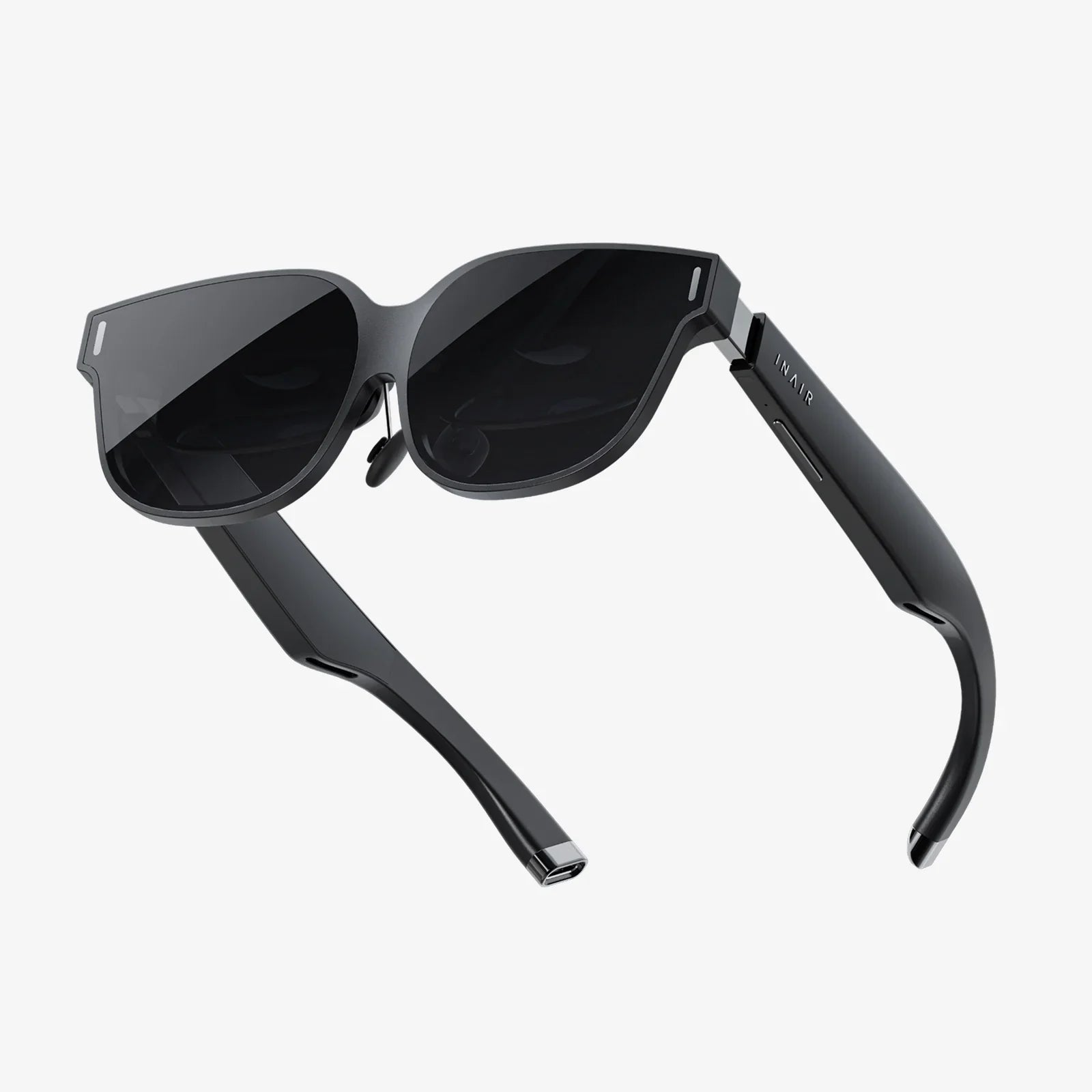
Imagine stepping into a virtual world so crisp, so responsive, and so utterly immersive that the tether to reality—and your computer—completely dissolves. This is no longer a distant promise from the future; it is the present reality delivered by the pinnacle of portable engineering: the most powerful standalone VR headset. This device represents not just an incremental upgrade, but a fundamental leap, a declaration that true high-fidelity virtual reality is finally, and irrevocably, free.
The Architecture of Freedom: Power Without Compromise
The core of any standalone VR headset is its system-on-a-chip (SoC), a marvel of miniaturization that packs the computational punch of a high-end gaming console into a form factor smaller than a deck of cards. The latest generation of these processors represents a monumental shift. We are no longer talking about mobile-grade chips struggling to render simple environments; we are witnessing desktop-class architectures, re-engineered for thermals and power efficiency, delivering staggering performance.
This translates to a quantum leap in graphics fidelity. Complex shaders, high-resolution textures, and advanced lighting effects that were once the exclusive domain of tethered headsets are now rendered natively. Developers can create vast, intricate worlds filled with dynamic objects and sophisticated physics, all running locally on the device. The graphical barrier between standalone and PC-VR has not just been lowered; in many respects, it has been shattered.
The Window to New Worlds: Display and Visual Fidelity
Raw processing power is meaningless if the window to the virtual world is murky. The most powerful standalone headsets address this with state-of-the-art displays and optical systems. We are seeing the adoption of high-resolution LCD and advanced OLED panels that offer pixel densities so high that the dreaded "screen door effect"—where users can discern the gaps between pixels—is effectively eliminated.
Beyond resolution, other critical metrics define the visual experience:
- Field of View (FoV): A wider FoV is paramount for immersion, reducing the binocular-like feeling and pulling the user deeper into the experience. The latest headsets are pushing these boundaries, offering a panoramic view that more closely matches human vision.
- Refresh Rate: A high refresh rate, now reaching 120Hz and beyond, is crucial for smooth, comfortable gameplay. It reduces latency and motion blur, making fast-paced action feel natural and eliminating the visual judder that can cause discomfort.
- Pancake Lenses: A revolutionary optical technology, these compact lenses allow for a much slimmer and lighter headset design while providing a significantly larger "sweet spot"—the area where the image is perfectly clear. This means sharper visuals across the entire lens and greater comfort during extended use.
The Unseen Engine: Tracking and Interaction
True power in VR is not just about what you see, but how you interact with it. The most advanced standalone systems employ inside-out tracking, using a constellation of high-resolution cameras mounted on the headset itself. These cameras map the physical room and track the position of the controllers with sub-millimeter precision, all without a single external sensor.
This technology has evolved to include:
- Full Body Tracking (Emergent): Through sophisticated AI algorithms and camera data, some systems are beginning to infer the position of your legs and torso, adding another layer of embodiment without additional hardware.
- Controller-Free Interaction: Advanced hand-tracking capabilities allow you to use your natural hands as controllers. Pinching, grabbing, and pointing are all recognized with impressive accuracy, enabling more intuitive menus and interactions and making the technology instantly accessible to anyone.
Soundscapes of Reality: Immersive Audio
Audio is half the immersion. The best standalone headsets integrate spatial audio directly into the headstrap. This technology uses head-related transfer functions (HRTF) to simulate sounds coming from specific points in 3D space around you. The subtle crunch of gravel behind you, the whisper of an ally to your left, or the roar of a dragon overhead are all rendered with breathtaking directional accuracy. This not only deepens immersion but provides critical gameplay cues, making the virtual environment feel tangibly real.
Design and Comfort: The Marathon, Not the Sprint
A powerful headset is useless if it's a pain to wear. Engineering teams have undertaken a relentless pursuit of ergonomic perfection. This involves a meticulous balance of weight distribution, materials, and adjustment systems.
- Counterbalanced Design: By placing the battery pack in the rear of the headstrap, the center of gravity is shifted backwards, removing pressure from the cheeks and forehead and allowing the headset to rest comfortably on your head like a crown.
- Premium Materials: The use of lightweight yet durable polymers, breathable facial interfaces, and customizable fit systems ensures the headset can be worn for hours of productivity or adventure without fatigue.
- Active Cooling: A silent internal fan ensures the powerful processor runs optimally without throttling, while also preventing the lens from fogging up and keeping the user cool during intense sessions.
The Ecosystem: A Universe of Experiences
Hardware is nothing without software. The platform powering these headsets is a vibrant, curated ecosystem. Users have access to a massive library of content, from AAA games with production values rivaling flat-screen titles to innovative social hubs where people gather, attend concerts, and collaborate in shared virtual spaces.
Furthermore, the standalone nature makes it the ultimate platform for mixed reality (MR). By using the color passthrough cameras, the headset can blend digital objects seamlessly into your physical environment. This unlocks experiences like virtual monitors extending your workspace, interactive learning models sitting on your real desk, or game elements interacting with your living room furniture. It’s a glimpse into the future of computing itself.
The Verdict: Who Is This For?
This category of headset is no longer a compromise. It is the new benchmark. It is for the gamer who demands the highest fidelity without being chained to a desk. It is for the enterprise user who needs to visualize 3D models or train in simulated environments with flawless wireless freedom. It is for the fitness enthusiast who wants a truly immersive and engaging workout. And it is for the pioneer eager to experience the next evolution of mixed-reality computing.
While tethered headsets will always push the absolute extreme of graphical capability for a niche audience, the most powerful standalone VR headset represents the convergence point—where cutting-edge performance meets unparalleled convenience. It is the device that finally delivers on the original, untethered promise of virtual reality.
The cord has been cut, but the experience has been amplified. This isn't just another piece of tech; it's your passport to limitless worlds, all contained within a visor that fits in your hands. The question is no longer about what is possible, but which world you will choose to step into first.
Share:
How Do I Use a VR Headset: The Ultimate Beginner's Guide to Virtual Reality
AR Glasses Price 2025: The Year of Mainstream Affordability