


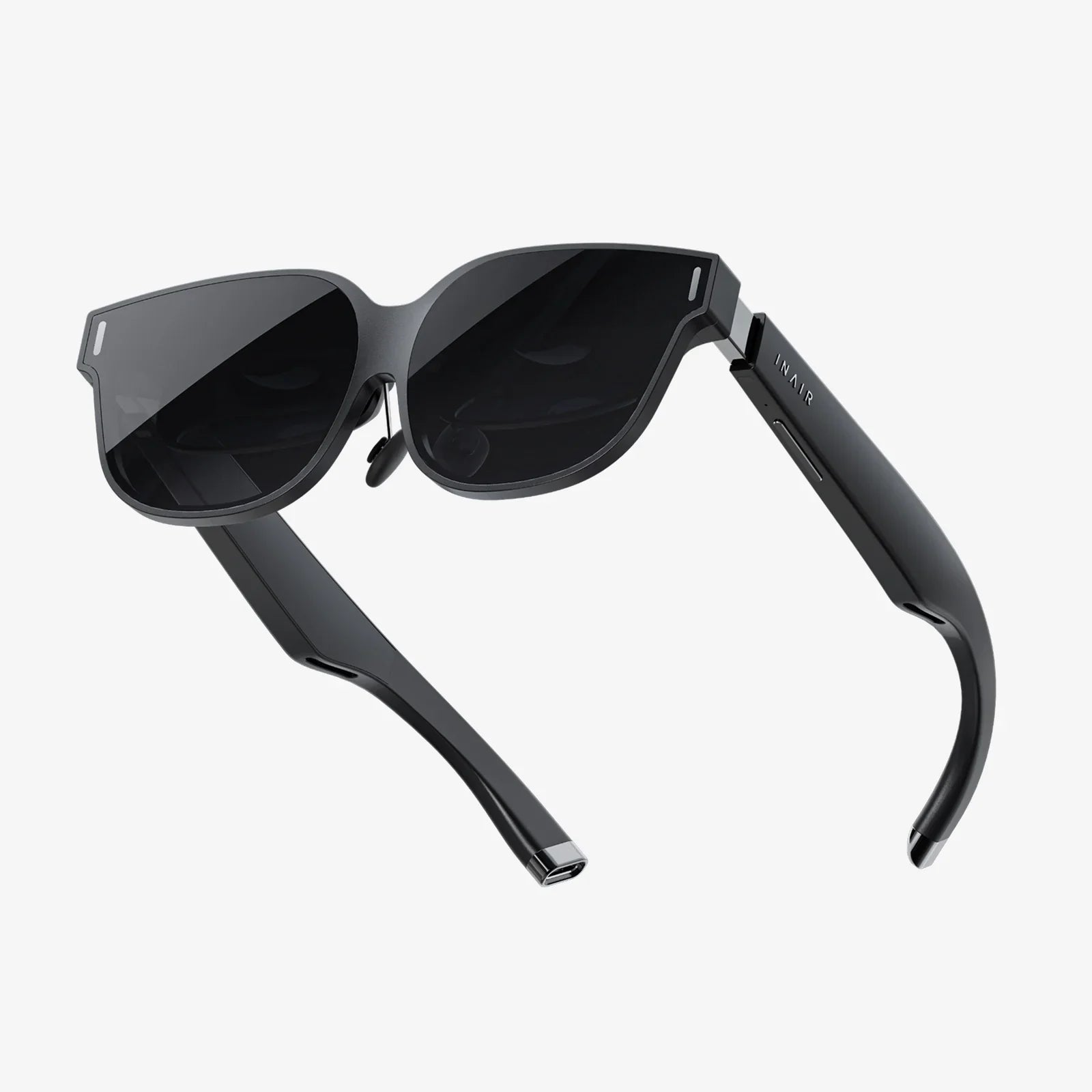
Imagine a device so potent it can conjure entire universes from the void, a gateway that doesn't just display a new reality but makes you feel its very fabric. This is the promise, the holy grail, the driving force behind the relentless pursuit of the most powerful VR headset. It’s a title that signifies more than just raw processing power; it represents the pinnacle of immersion, a complete sensory deception that convinces your mind, body, and soul that you are somewhere else. The quest for this ultimate device is not just a corporate arms race; it is the fundamental engine pushing virtual reality from a novel curiosity into a transformative technology poised to redefine entertainment, productivity, and human connection. This is the story of that power, what it means, and where it will take us next.
The Pillars of Power: What Truly Defines a VR Headset's Might
To anoint any single device as the "most powerful" requires a nuanced understanding of where that power is derived. It is not a single metric but a symphony of advanced technologies working in concert. Raw computational throughput is meaningless if the lenses distort the image, and stunning visuals fall flat if the user is shackled by cables or brought to nausea by lag.
Visual Fidelity: The Quest for Photorealism
The most immediate and impactful aspect of power is what you see. This is governed by a trinity of factors: resolution, field of view (FoV), and refresh rate.
- Resolution and PPD (Pixels Per Degree): Early VR was plagued by the "screen door effect," a visible grid between pixels that shattered immersion. The most powerful headsets have obliterated this through ultra-high-resolution displays, often using Mini-LED or advanced OLED technology. But resolution alone is not enough; PPD is the critical metric, measuring how many pixels are packed into each degree of your vision. A high PPD means razor-sharp text, the ability to see distant objects clearly, and a complete absence of jagged edges, creating a seamless and believable world.
- Field of View (FoV): A stunning image means little if it feels like you're looking through binoculars. A wide FoV, pushing beyond 110 degrees and toward the human periphery of around 200 degrees, is essential for true presence. It eliminates the restrictive goggles-on feeling, allowing the virtual environment to fully envelop your vision and trick your brain into accepting it as real.
- Refresh Rate and Low Persistence: A high refresh rate (90Hz, 120Hz, and now even 144Hz) ensures smooth, fluid motion, crucial for both fast-paced games and preventing simulator sickness. Coupled with low-persistence display technology, which briefly flashes each frame to eliminate motion blur, these headsets offer crystal-clear imagery even during the most frantic movement.
Processing Prowess: The Brain Behind the Experience
The visual marvels you see are forged in the fire of immense processing power. This can be achieved through two primary architectures, each with its own claim to the "powerful" title.
- Tethered (PCVR) Power: These headsets act as ultra-high-resolution monitors, leveraging the raw, untamed horsepower of a top-tier gaming computer. This externalized processing allows for staggering graphical fidelity, complex physics simulations, and vast, detailed worlds that are simply impossible to render on a mobile chipset. They represent the absolute ceiling of visual performance in VR.
- Standalone (All-in-One) Power: The true engineering marvel of modern VR is the standalone headset. It integrates a sophisticated system-on-a-chip (SoC), often with dedicated AI and graphics processors, directly into the device. This paradigm shift untethers the user, granting complete freedom of movement. The power here is not just graphical; it's the power of autonomy and accessibility, delivering a high-fidelity experience without the need for a expensive external computer.
Tracking and Control: Your Body in the Virtual Space
Power is useless without precise control. The ability of a headset to track your movement and translate your intentions into the virtual world is paramount.
- Inside-Out Tracking: The modern standard for both tethered and standalone devices. Cameras mounted on the headset itself observe the physical environment, tracking the position of the controllers and the headset itself without external sensors. This simplifies setup and increases portability. The most powerful systems use a combination of wide-angle cameras, ultrasonic sensors, and sophisticated computer vision algorithms for flawless, sub-millimeter accuracy.
- Controller Haptics and Finger Tracking: Power is also felt. Advanced controllers now feature nuanced haptic feedback, simulating everything from the gentle brush of a butterfly's wing to the jarring recoil of a virtual weapon. The next frontier is full finger tracking, either through capacitive sensors on controllers or through camera-based hand tracking, which allows you to see and use your own bare hands in VR. This adds an incredible layer of intuitive interaction and emotional connection.
Audio and Comfort: The Forgotten Fundamentals
True power is a holistic experience. Immersion can be broken by a poorly balanced headset or tinny, directionless sound.
- 3D Spatial Audio: High-end integrated speakers that don't cover the ears but use positional audio technology to beam sound directly into them. This creates a perfect 3D soundscape where you can hear the precise direction of footsteps, rainfall, or a whisper, dramatically enhancing realism.
- Ergonomics and Weight Distribution: The most technically advanced headset is powerless if it's too uncomfortable to wear for more than twenty minutes. The pursuit of power now includes a focus on lightweight materials, counter-balancing batteries, and innovative strap systems that distribute weight evenly across the head. Power must be wearable.
The New Frontier: Beyond the Basics
The definition of "power" is constantly evolving. The current generation of top-tier headsets is already pushing into new technological territory that was science fiction just a few years ago.
- Mixed Reality (MR) and Passthrough: The bleeding edge of VR power is no longer just about virtual worlds. It's about seamlessly blending them with your physical space. High-resolution, full-color video passthrough, enabled by advanced cameras and powerful processing, allows users to see their real environment in real-time. This isn't just a safety feature; it's the foundation for mixed reality, where digital objects can be placed on your physical desk, virtual screens can replace monitors, and interactive experiences can unfold in your own living room. The power to do this fluidly, without lag or visual distortion, is a monumental leap.
- Eye-Tracking and Foveated Rendering: This is perhaps the most important efficiency breakthrough in VR. High-resolution displays are incredibly demanding to render. Eye-tracking technology monitors exactly where your pupils are looking. Foveated rendering then uses this data to full-resolution render only the tiny central area of your focus (the fovea), while subtly reducing the detail in your peripheral vision—where your eyes can't perceive the difference anyway. This technological sleight of hand can reduce the GPU workload by massive factors, allowing for vastly improved graphics without requiring exponentially more processing power. It also enables more natural social interactions in VR, as avatars can make meaningful eye contact.
- Face and Body Tracking: The final piece of the social presence puzzle. External accessories or advanced headset cameras can now track your facial expressions—a smile, a frown, a raised eyebrow—and translate them onto your digital avatar. Full-body tracking takes this further, capturing your entire movement. This allows for an unprecedented level of non-verbal communication, making virtual interactions feel genuinely human and emotionally resonant.
The Ripple Effect: What This Power Enables
The implications of this technological arms race extend far beyond more realistic video games. The most powerful VR headsets are becoming platforms for profound change across numerous sectors.
- Enterprise and Design: Architects can walk clients through photorealistic renders of unbuilt homes. Engineers can interact with full-scale 3D models of complex machinery. Surgeons can practice delicate procedures on virtual patients. The power of presence is a powerful tool for visualization, training, and collaboration on a global scale.
- Social Connection and the Metaverse: While the concept is often overhyped, the core idea is valid. Powerful VR is the key to a viable "metaverse"—a persistent network of shared virtual spaces. With realistic avatars, spatial audio, and the ability to share experiences (from concerts to business meetings), these headsets have the potential to make remote interaction feel truly present and meaningful, collapsing geographical barriers.
- Health and Therapy: VR is already being used to treat phobias, PTSD, and anxiety through controlled exposure therapy. It's used for physical rehabilitation, turning painful exercises into engaging games. More powerful and comfortable headsets will make these therapeutic applications more effective and accessible.
The Future is Already Here
The trajectory is clear: power is moving towards greater visual realism, complete wireless freedom, and deeper sensory integration. We are approaching the point where the technical apparatus will fade into the background, and the experience will become everything. The headset will become less of a device and more of a portal.
The quest for the most powerful VR headset is, ultimately, a quest to expand human experience. It’s about visiting places we can never go, creating things that defy physical law, and connecting with others in ways that were once the domain of fantasy. It’s a testament to human ingenuity, and the most exciting part is that this journey is far from over. Each breakthrough doesn't just create a better product; it unlocks new possibilities we haven't even begun to imagine. The power to redefine reality itself is now within our grasp, and it is being strapped to our faces, one revolutionary headset at a time.
Stepping into a world limited only by imagination is no longer a dream for the distant future; the hardware to make it a tangible, breathtaking reality is already on the market, waiting to transport you. The only question that remains is not if you will try it, but how profoundly it will change your perception of what's possible once you do.
Share:
Best Internet Glasses: Your Ultimate Guide to Digital Eye Strain Relief
Android XR News: The Evolving Battle for Our Reality