


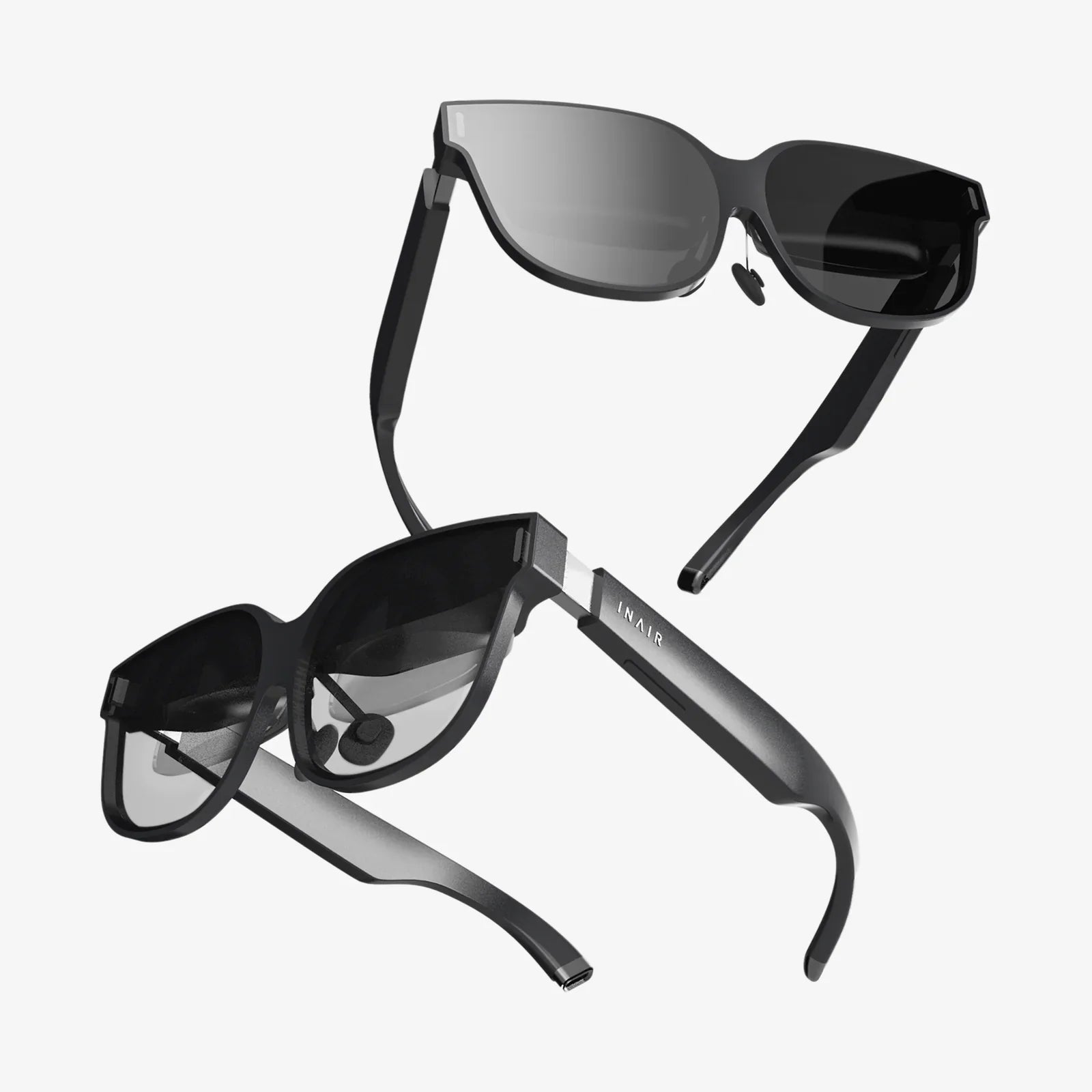
Imagine a device so ubiquitous that it has become the default gateway for millions to experience entirely new realities, from the depths of the ocean to the far reaches of space. This isn't science fiction; it's the story of the most used VR headset, the unseen engine quietly powering the metaverse's first steps into mainstream consciousness. Its journey from a niche gadget to a cultural touchstone reveals not just a product's success, but a fundamental shift in how we interact with technology and each other.
The Anatomy of a Market Leader
Becoming the most used VR headset on the planet is not an accident of marketing or a fleeting trend. It is the result of a deliberate and often difficult convergence of factors that struck a chord with a global audience. The formula, while complex, can be broken down into several critical components that transformed a luxury tech curiosity into an accessible portal to virtual worlds.
Accessibility and Affordability: Lowering the Barrier to Entry
The single greatest driver of adoption for any transformative technology is its price point. Early VR systems were prohibitively expensive, often requiring a powerful, high-end computer to function, creating a financial barrier that few could cross. The paradigm shift came with a move toward a more self-contained, all-in-one system. By integrating the necessary processing power, sensors, and displays into the headset itself, the need for an external computer was eliminated. This not only simplified the setup process dramatically but also brought the cost down to a level that was palatable for a mass market. This shift to an accessible price bracket was the first and most crucial step in placing a headset in millions of homes.
The Power of the Ecosystem: Content is King
A VR headset, no matter how technologically advanced, is a useless piece of hardware without compelling software. The most used headset did not emerge in a vacuum; it was buoyed by the aggressive cultivation of a rich and diverse content ecosystem. This involved several key strategies:
- First-Party Studios: Major investment in dedicated, internal game development studios to create flagship, system-selling exclusive titles that could not be experienced anywhere else.
- Developer Support: Providing robust software development kits (SDKs), extensive documentation, and financial incentives to attract independent developers and major third-party studios to the platform.
- Beyond Gaming: Recognizing early that VR's potential extended far beyond entertainment. A strong push for applications in fitness, social connection, productivity, education, and live events like concerts created a well-rounded software library that appealed to a broad demographic.
This created a powerful virtuous cycle: more users attracted more developers, which in turn created more content, which then attracted even more users.
User Experience and Intuitive Design
Early VR was often clunky, involving a tangle of wires, external sensors that required precise calibration, and complicated setup procedures. The most successful headsets prioritized a frictionless user experience. This meant:
- Inside-Out Tracking: Eliminating the need for external base stations or sensors by building all tracking cameras directly onto the headset. Users could simply put it on and their play space was automatically recognized.
- Intuitive Controllers: Designing motion controllers that felt like a natural extension of the user's hands, with input methods that were easy to learn but deep enough to allow for complex interactions.
- A Seamless Software Interface: Creating a clean, intuitive, and responsive home environment from which users could easily access their library, social features, and settings without needing to remove the headset.
By removing technical friction, the technology itself faded into the background, allowing the experiences to take center stage.
The Ripple Effect: How Dominance Shapes an Industry
The prevalence of a single, dominant headset has profound implications for the entire VR/AR industry, influencing everything from development standards to the very vision of the future metaverse.
Setting the De Facto Standard
When one platform commands the vast majority of the user base, it inevitably becomes the primary target for developers. This establishes its technical specifications, control schemes, and user interface patterns as the industry's de facto standard. New applications are often developed "for Headset X first," with ports to other platforms coming later. This standardization has benefits, such as giving developers a clear and stable target, but it can also potentially stifle innovation from competing platforms that might dare to try a radically different approach.
The Data Goldmine: Informing the Future
With millions of active users, the company behind the leading headset has access to an unprecedented amount of aggregated, anonymized data on how people actually use VR. They can see which features are most popular, where users spend their time, what causes motion discomfort, and how social interactions unfold in virtual spaces. This immense dataset is invaluable. It directly informs the design of future hardware iterations, software updates, and the development of new experiences. They are not building the future based on guesswork, but on the lived experiences of millions.
The Social Network Effect
VR is increasingly a social medium. The value of a social platform is directly tied to the number of people you can connect with on it. The most used headset has a powerful network effect: your friends are on it, so you are more likely to buy it to join them. This creates a formidable moat that is incredibly difficult for competitors to cross. New social VR apps live or die based on their ability to integrate with or attract users from this established network.
Beyond the Hype: The Tangible Impact on Our Lives
The true measure of this technology's success is not found in sales figures, but in the tangible, real-world impact it has on the daily lives of its users. It has evolved from a novel toy into a genuine tool for enrichment, connection, and betterment.
Revolutionizing Fitness and Wellness
One of the most surprising and successful applications has been in the realm of fitness. A plethora of engaging apps have transformed workouts from a chore into an exhilarating game. Users can box to the rhythm of music, slice through flying blocks in a neon landscape, or follow guided dance routines, all while burning significant calories. The immersive nature of VR provides a powerful distraction from the exertion of exercise, making it easier to maintain a routine. Furthermore, applications for meditation and mindfulness use serene, calming virtual environments to help users reduce stress and practice mental wellness in entirely new ways.
Redefining Remote Work and Collaboration
The global shift toward remote work has accelerated the exploration of VR as a platform for collaboration. While still in its relative infancy compared to gaming, the potential is staggering. Instead of a grid of faces on a flat screen, teams can meet in a virtual boardroom, standing around 3D models of their projects, brainstorming on infinite whiteboards, and interacting with a sense of presence that video calls cannot replicate. This sense of "being there" with colleagues, complete with avatars and spatial audio, can rebuild the spontaneous connections and collaborative energy that is often lost in remote work.
The New Social Town Square
For a generation, social media has been a largely two-dimensional experience: text, photos, and videos on a screen. VR social platforms are adding a third dimension: presence. Users can gather with friends in virtual worlds to watch movies, play games, attend live events, or simply hang out as lifelike avatars. The communication is richer, incorporating not just voice but also body language and gestures. For people separated by vast distances or those who struggle with social anxiety, these spaces offer a powerful new medium for connection that feels more genuine and embodied than traditional digital communication.
Challenges and the Road Ahead
Despite its success, the journey is far from over. The path toward truly universal adoption is fraught with significant technological, social, and ethical challenges that must be navigated.
The Persistent Hurdles: Comfort and Form Factor
Even the most popular headsets today are still criticized for their weight, bulk, and limited battery life. Wearing them for extended periods can cause fatigue, and the visual experience, while impressive, is still not perfect. The industry is relentlessly pursuing a more elegant form factor—something akin to a pair of sunglasses. Achieving this will require breakthroughs in display technology (like micro-OLED), optics (like pancake lenses), and processing efficiency. The goal is a device that is so comfortable and lightweight that putting it on becomes as effortless as putting on a pair of glasses.
The Ethical Frontier: Privacy and the Metaverse
The amount of data a VR headset can collect is profound. It goes beyond simple usage metrics. Inside-out tracking cameras map your physical environment. Eye-tracking technology (increasingly common) can monitor where you look, for how long, and how your pupils dilate—a potential indicator of interest, arousal, or cognitive load. This data is incredibly sensitive. The companies building these platforms face immense responsibility and scrutiny to ensure this data is anonymized, secured, and never used for manipulative advertising or unethical purposes. Establishing clear, transparent, and user-centric data policies is not just good practice; it is essential for maintaining public trust in this new medium.
The Quest for a "Killer App" Beyond Gaming
While gaming remains the primary driver, for VR to become as indispensable as the smartphone, it needs a killer application in another domain. This could be a revolutionary enterprise collaboration tool that every Fortune 500 company adopts, a transformative educational platform that changes how students learn, or a telepresence application that makes attending a family gathering in VR feel indistinguishable from being there in person. The frontrunner in the market is in a unique position to fund and foster the development of this yet-unknown application that will finally push the technology into true ubiquity.
The story of the most used VR headset is still being written, not in boardrooms, but in living rooms, home offices, and play spaces around the world. Its ultimate legacy won't be its market share, but its role as the foundational layer upon which a new digital reality is being built—a reality that promises to reshape our lives in ways we are only just beginning to imagine. The gateway is open, and the journey is just getting started.
Share:
VR Headset Hong Kong: A Portal to the Future of Immersive Urban Experience
VR Headset Hong Kong: A Portal to the Future of Immersive Urban Experience