


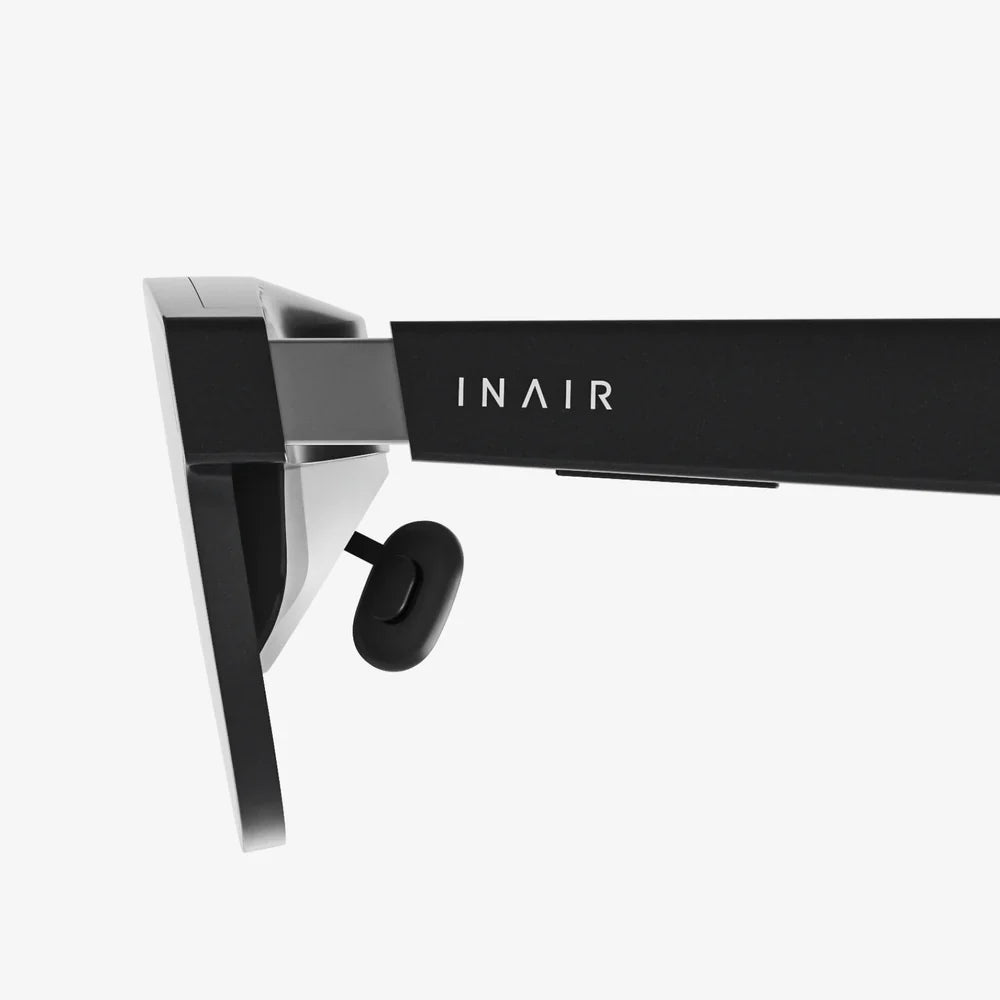
Imagine soaring above the glittering skyline of Victoria Harbour, not from a helicopter, but from the comfort of your own home, the neon signs of Tsim Sha Tsui so close you feel you could reach out and touch them. This is no longer a scene from science fiction; it is the daily reality for a growing number of Hong Kongers and visitors, all thanks to the proliferation of the VR headset. Hong Kong, a city perpetually straddling the cutting edge of technology and tradition, has emerged as a vibrant and crucial hub for virtual reality, creating a unique ecosystem where this immersive technology is not just consumed, but actively shaped and redefined.
The Hong Kong VR Landscape: A Melting Pot of Innovation
Hong Kong's unique position as a global financial center and a gateway to Asia has made it a fertile ground for technological adoption. The city's tech-savvy population, with one of the highest smartphone penetration rates in the world, has been quick to embrace new forms of digital interaction. The arrival of advanced and more accessible VR headsets found a ready audience here, eager to experiment with new forms of entertainment and connectivity.
This adoption is fueled by a robust infrastructure. High-speed internet is ubiquitous, and the compact, urban nature of the city means that tech products, from the latest smartphones to cutting-edge VR hardware, are readily available through numerous electronics emporiums and online marketplaces. This easy access has been a significant catalyst, lowering the barrier to entry for curious consumers and developers alike.
Beyond Gaming: The Multifaceted Applications of VR in the City
While gaming remains a primary driver for consumer adoption, the application of VR headsets in Hong Kong extends far beyond. The city's diverse economy and unique challenges have spurred innovation across multiple sectors.
Education and Training: The Virtual Classroom and Workshop
Educational institutions and corporate training centers in Hong Kong are increasingly turning to VR to create immersive learning environments. Imagine medical students at a local university practicing complex surgical procedures on virtual patients, eliminating risk and providing unlimited rehearsal opportunities. Architecture and engineering students can walk through their building designs at a 1:1 scale before a single brick is laid, identifying potential issues in a virtual space. This hands-on, experiential learning is revolutionizing pedagogy, making abstract concepts tangible and dangerous procedures safe.
Real Estate and Tourism: Exploring Spaces Before They Exist
In a city where space is at a premium and property viewings are a constant activity, VR has become an indispensable tool for the real estate sector. Prospective buyers and tenants can now take fully immersive virtual tours of apartments, offices, and commercial spaces from anywhere in the world. This is not just a 360-degree photo; it is a interactive experience where one can open virtual cabinets, gauge the true size of a room, and understand the flow of a space. Similarly, the tourism industry uses VR to offer breathtaking previews of hotel rooms, resort amenities, and even virtual hikes through Hong Kong's country parks, enticing visitors to experience the city's natural beauty alongside its urban excitement.
Corporate and Retail: The Future of Business
From virtual showrooms where international clients can inspect products in minute detail to immersive data visualization tools for financial analysts, corporate applications are vast. Retail brands are experimenting with virtual stores, allowing customers to browse and try products in a digital environment. This fusion of e-commerce and experiential retail is particularly appealing in a retail-centric city like Hong Kong, offering new ways to engage consumers.
Art and Culture: A New Canvas for Creativity
Hong Kong's vibrant art scene has enthusiastically adopted VR as a new medium. Galleries and museums now host exhibitions where visitors don a headset to step inside a painting, travel back in time to historical events, or experience narrative storytelling from a first-person perspective. This technology allows artists to create worlds unbounded by physical limitations, offering audiences a deeply personal and emotional connection to the art.
The Developer's Playground: Building for a Global Audience
Hong Kong is not just a consumer of VR content; it is a significant creator. A thriving community of developers, animators, and startups is dedicated to pushing the boundaries of what is possible in virtual reality. This ecosystem is supported by government initiatives, tech incubators, and international events like conferences and hackathons that bring together the best minds in the field.
These developers often create content with a uniquely Hong Kong flavor—games set in a cyberpunk-inspired version of Mong Kok, educational apps exploring the city's fishing village history, or social experiences that replicate the feeling of sharing a meal at a bustling dai pai dong. Yet, their ambition is global. By leveraging Hong Kong's position as an international city, these creators are building experiences designed to resonate with a worldwide audience, effectively exporting Hong Kong culture through the lens of virtual reality.
Challenges and Considerations in an Urban Environment
The adoption of any new technology is not without its hurdles. The high cost of premium VR equipment can be a barrier for some consumers, though the market is rapidly expanding with more affordable options. Another significant challenge is space. The average Hong Kong apartment is famously compact, making it difficult to dedicate a clear area for room-scale VR experiences that require physical movement. This has led to a greater emphasis on seated or standing experiences and has driven innovation in software that requires minimal physical space.
Furthermore, as with any immersive technology, issues of health and safety, such as eye strain, motion sickness, and awareness of one's physical surroundings, are important considerations that both manufacturers and users must navigate carefully.
The Social Dimension: Connecting in a Virtual Metropolis
Perhaps the most profound impact of VR is its potential to reshape social interaction. In a dense, sometimes isolating city, VR headsets are becoming portals to social spaces. Platforms exist where users can meet as digital avatars to attend virtual concerts, watch movies together in a shared digital theater, or simply hang out and chat. This offers a new form of community and connection, transcending physical distance and providing new avenues for socializing, collaboration, and even dating. It represents a new layer to Hong Kong's social fabric, a digital metropolis existing in parallel to the physical one.
Gazing into the Crystal Ball: The Future of VR in Hong Kong
The future of VR in Hong Kong is inextricably linked to the evolution of the technology itself. The trend is towards lighter, wireless headsets with higher-resolution displays, more intuitive controls, and eventually, perhaps, even more immersive technologies like haptic feedback suits. As the hardware becomes more comfortable and powerful, adoption will only accelerate.
We can anticipate deeper integration with other technologies, particularly artificial intelligence and 5G networks. AI can be used to create more responsive and intelligent virtual environments, while the ultra-low latency of 5G will enable complex cloud-based VR experiences, reducing the need for expensive local processing power and making high-end VR more accessible. Hong Kong, with its advanced 5G infrastructure, is perfectly poised to be a leader in this cloud-based VR revolution.
The line between the physical and digital worlds will continue to blur. Augmented Reality (AR), which overlays digital information onto the real world, and Mixed Reality (MR), which merges the two, represent the next frontier. The ultimate VR headset might one day be a single device that can toggle between fully virtual and augmented realities, transforming how we work, learn, and play in a city like Hong Kong.
The iconic skyline of Hong Kong has always been a symbol of its forward-looking spirit. Now, that same skyline is being digitally recreated, reimagined, and explored through the lens of a VR headset. This technology is more than a gadget; it is a portal to new worlds, a tool for unprecedented innovation, and a new medium for human connection. It challenges us to rethink the very nature of experience in one of the world's most dynamic cities. The journey into the virtual realm is just beginning, and Hong Kong is already at the helm, ready to define what comes next.
Share:
Most Used VR Headset: The Unseen Engine Powering the Metaverse
Most Used VR Headset: The Unseen Engine Powering the Metaverse