


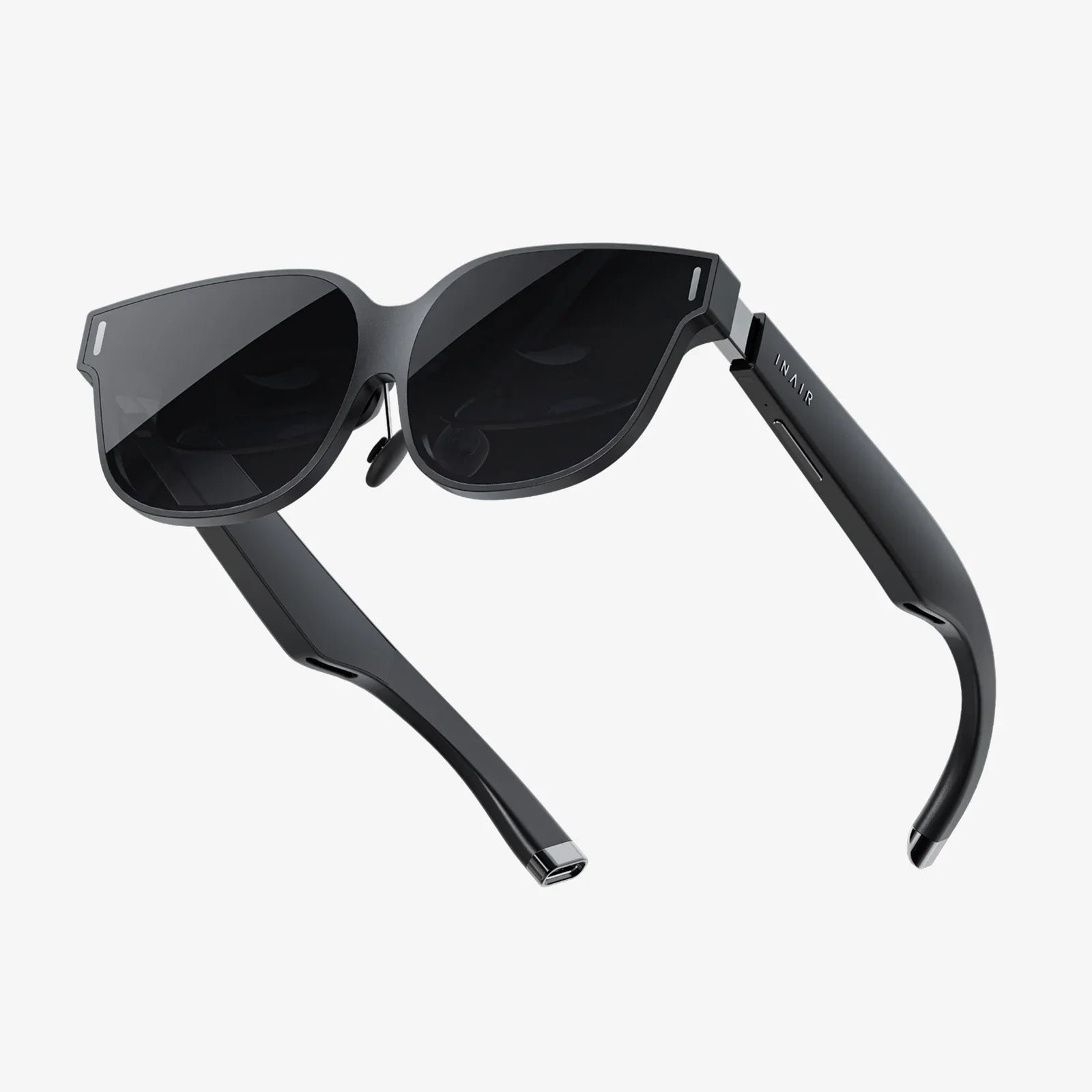
From the boardroom to the bar, the library to the runway, a single accessory has the power to transform not just how a man sees the world, but how the world sees him. It’s not a watch or a tie; it’s a pair of eyeglasses. For centuries, what began as a simple visual aid has evolved into a profound statement of identity, intellect, and impeccable style. This is the story of Mr. Eyeglasses—a journey through history, a masterclass in aesthetics, and a deep dive into the very essence of masculine presentation. Whether you're a lifelong wearer or considering your first pair, prepare to see this essential accessory in a whole new light.
A Look Through Time: The Evolution of Men's Eyeglasses
The story of men's spectacles is one of ingenuity, necessity, and shifting social perceptions. The earliest known visual aids, used by monks and scholars in the 13th century, were rudimentary convex lenses perched on the nose, known as rivet spectacles.
They were purely functional, a tool for the elite to extend their intellectual pursuits. For hundreds of years, eyeglasses remained a symbol of learning and, often, advanced age—a signifier of a life spent in study.
The 18th and 19th centuries saw the first flirtations with style. The invention of the temple piece, which extended over the ears, liberated hands and allowed for more stable and elaborate designs. Scissors-glasses
and lorgnettes
were carried as fashionable accessories among the aristocracy. However, the true revolution came in the 20th century. The mass production of frames, the invention of new materials like celluloid and eventually plastics, and the widespread need for vision correction after World War I and II brought eyeglasses to the masses. No longer just for scholars, they became a common part of the modern man's wardrobe.
The mid-20th century cemented the fusion of eyeglasses with popular culture. Hollywood played a pivotal role. Leading men and iconic characters began to wear spectacles not as a weakness, but as a component of their powerful persona. The intellectual, the creative, the quirky genius—all were defined by their distinctive frames. This cultural shift was monumental; it transformed the public perception of eyeglasses from a medical necessity to a potential asset, a key part of a man's personal brand.
Beyond 20/20: The Deeper Meaning of a Man's Frames
Today, a man's choice in eyewear is rarely just about vision. It is a non-verbal communication tool, a carefully chosen element of his armor. The psychology behind this is complex and powerful.
- The Intellectual: Certain frames, particularly classic shapes like the oval or round, have long been associated with intelligence, thoughtfulness, and a scholarly demeanor. They project an air of credibility and trustworthiness.
- The Creative: Bold, unconventional, or vintage-inspired frames can signal a creative mind, an artistic spirit, or a willingness to challenge conventions. They say the wearer is not afraid to express his individuality.
- The Professional: Clean, sharp, and well-designed frames convey professionalism, precision, and attention to detail. In a corporate environment, the right pair can enhance a man's authority and sophistication.
- The Confident Individual: Ultimately, any well-chosen frame is a sign of self-awareness and confidence. It shows a man who understands his features, knows his style, and is comfortable in his own skin, literally framing his face for the world to see.
This psychological layering means that selecting a pair of glasses is one of the most intimate and impactful style decisions a man can make.
The Anatomy of Style: Decoding Frame Shapes and Materials
Understanding the language of frames is the first step to mastering their style. The vast world of men's eyewear can be broken down into a few key shapes, each with its own history and aesthetic impact.
Iconic Frame Shapes for Men
The Aviator: Originally designed for pilots to protect their eyes at high altitudes, the aviator is characterized by its teardrop shape and double bridge. It projects a rugged, adventurous, and timelessly cool vibe, forever associated with a certain rebellious spirit.
The Wayfarer: Perhaps the most iconic plastic frame ever created. Its distinct trapezoid shape and thick acetate construction made it a symbol of counter-culture in the 50s and 60s and a permanent fixture in mainstream style. It’s bold, confident, and effortlessly classic.
The Round: Harking back to the origins of spectacles, round frames evoke a sense of intellectualism and creativity. They can soften angular faces and suggest a philosophical, artistic, or quirky personality. Their resurgence in recent years has made them a modern statement.
The Rectangle: The quintessential frame for structure and authority. Rectangular frames add definition, sharpen features, and project a professional, no-nonsense image. They are a staple for business and are excellent for adding angles to a rounder face.
The Oval: A softer, more versatile cousin to the round frame, the oval offers a balanced and classic look. It’s less dramatic than a perfect circle but maintains an air of gentle intelligence and approachability.
The Building Blocks: Materials Matter
The material of a frame dictates not only its durability and weight but also its character.
- Acetate: A plant-based plastic, acetate is the gold standard for quality frames. It's durable, hypoallergenic, and can be crafted into a limitless array of colors and patterns, including beautiful layered and translucent effects. It offers a substantial, luxurious feel.
- Metal: Typically titanium, stainless steel, or monel. Metal frames are known for their lightweight strength and minimalist aesthetic. They offer a sleek, modern, and often more understated look than acetate. Titanium is particularly prized for being hypoallergenic and exceptionally resilient.
- Mixed Materials: Combining acetate and metal creates frames with the best of both worlds—the color and texture of acetate on the front with the lightweight stability of metal temples. This allows for innovative and unique designs.
The Perfect Fit: A Guide to Matching Frames to Face Shape
The single most important rule in choosing eyewear is harmony. The goal is to select frames that contrast with your face shape to create a balanced, oval-like appearance.
| Face Shape | Characteristics | Recommended Frames | Frames to Avoid |
|---|---|---|---|
| Round | Full cheeks, curved lines, similar width and length. | Angular frames (rectangular, square), wayfarers, aviators. Frames with a clear bridge to lengthen the nose. | Small, round frames that echo the face's shape. |
| Square | Strong jawline, broad forehead, angular features. | Round, oval, or aviator frames to soften angles. Frames with more width than depth. | Boxy, sharp rectangular frames that compete with the jawline. |
| Oval | Balanced proportions, gently rounded jawline. | Nearly any shape! This is the most versatile shape. Frames as wide as the broadest part of the face are ideal. | Oversized frames that overwhelm your natural balance. |
| Heart | Broad forehead, high cheekbones, narrow chin. | Light-colored or rimless bottom frames, aviators, round frames. Frames that are wider at the bottom. | Heavy, dark tops or decorative details that emphasize the forehead. |
Remember, these are guidelines, not absolute rules. Personal style and confidence can override any conventional wisdom. The best fit is ultimately the one that makes you feel most like yourself.
Curating a Collection: The Modern Man's Eyewear Wardrobe
Just as a man has shoes for different occasions, building a small, curated collection of frames allows for versatility and expression.
- The Daily Driver: This is your workhorse—a versatile, high-quality frame in a neutral color like black, tortoiseshell, or Havana. It should be comfortable, durable, and align with your professional and personal style. A classic rectangle or wayfarer often fills this role perfectly.
- The Statement Piece: This is where personality shines. A bold color, an unusual material, a vintage find, or a distinctive shape like a robust round frame. This pair is for weekends, evenings out, or whenever you want your style to lead the conversation.
- The Specialist: This includes performance-oriented eyewear like premium sunglasses for driving or sports, or perhaps a pair of blue-light filtering glasses for long hours at a digital screen. Function is paramount here, but style doesn't have to be sacrificed.
This approach ensures you are always appropriately and intentionally framed, ready for any occasion life presents.
The Future is Clear: Technology and Trends in Men's Eyewear
The world of eyewear is not static. Innovation continues to push the boundaries of what glasses can be.
Technological advancements are making lenses thinner, lighter, and smarter than ever. Anti-reflective coatings are standard, and progress in photochromic technology means transition lenses change faster and more effectively. The integration of augmented reality (AR) into eyewear, while still in its infancy for consumer markets, promises a future where your frames are not just a visual aid but a digital interface to the world.
Stylistically, sustainability is a major driving trend. Brands are increasingly using recycled acetates, bio-based materials, and implementing circular business models. The future of Mr. Eyeglasses is not only stylish and smart but also conscious.
Furthermore, the distinction between optical glasses and sunglasses continues to blur. The same attention to design, fit, and material quality is now expected across all categories, empowering men to see their sunglasses not as seasonal accessories but as integral, year-round components of their style identity.
So the next time you see a man adjusting his frames, know that you are witnessing more than a simple gesture. You are seeing the culmination of centuries of history, a calculated style decision, and the quiet confidence of someone who knows exactly how he wants to be perceived. His vision is clear, and his statement is, too. The right pair of glasses doesn't just help you see the world—it helps the world see the real you, and that is a power every man should wield with intention and style.
Share:
Form Smart Goggles: The Next Wave in Wearable Technology and Augmented Reality
What Are AR Devices: A Comprehensive Guide to the Technology Blending Worlds