


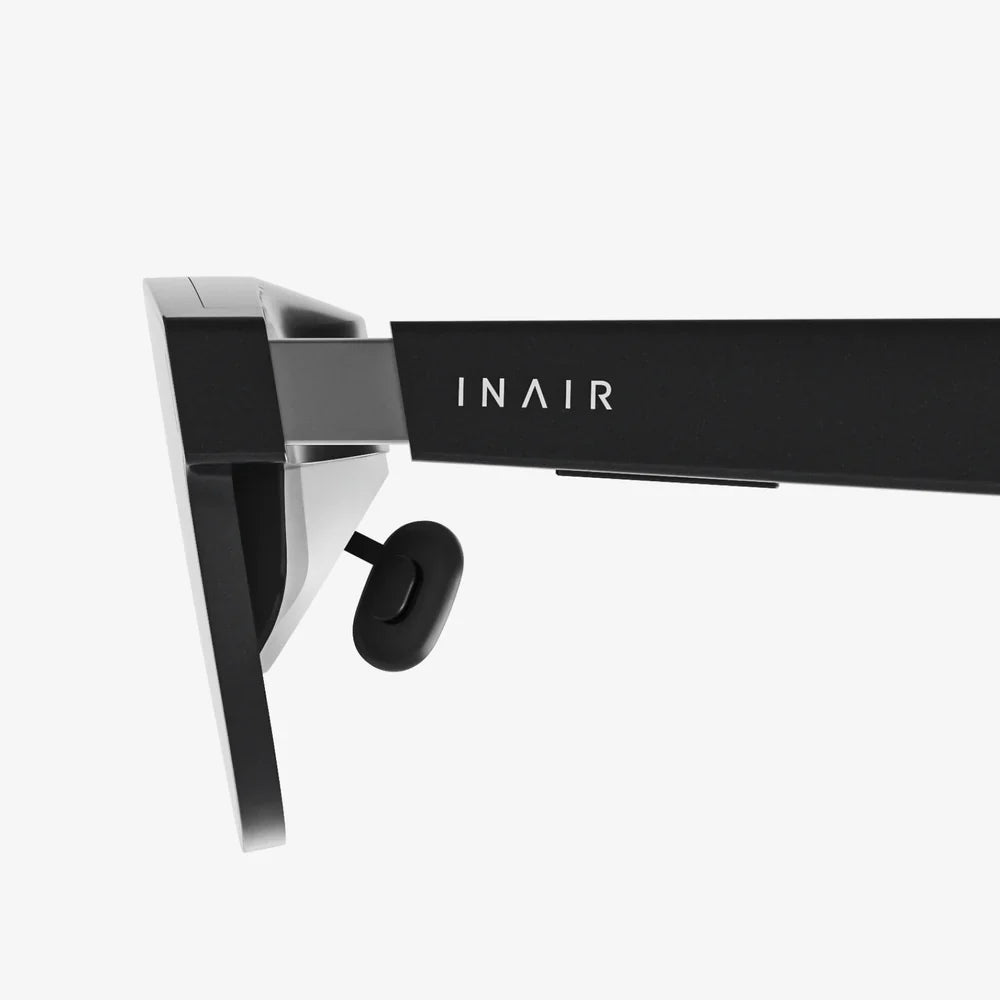
In an era where our lives are inextricably linked to digital devices, from the moment we wake to the minute we sleep, a silent epidemic of digital eye strain is affecting millions. If you've ever experienced tired, dry, or blurry vision after a long day staring at screens, you're not alone. The quest for a solution has led to the rise of a remarkable innovation: multi screen glasses. These are not your average reading glasses or standard prescription lenses; they are a sophisticated tool engineered for the modern, screen-saturated world. This deep dive will explore everything you need to know about this transformative technology, how it works, and why it might be the key to reclaiming your visual comfort and long-term eye health.
The Digital Assault on Our Eyes
To understand the value of multi screen glasses, we must first appreciate the unique visual challenges posed by our digital ecosystem. Unlike reading a book or viewing objects in the natural world, interacting with digital screens is a uniquely strenuous activity for our visual system.
Screens emit significant amounts of high-energy visible (HEV) blue light, which has shorter wavelengths and higher energy than other colors in the light spectrum. This type of light is known to scatter more easily, reducing contrast and forcing our eyes to work harder to maintain focus. Furthermore, prolonged exposure to blue light, especially in the evening, can disrupt our circadian rhythms, suppressing melatonin production and impairing sleep quality.
Beyond blue light, the very act of focusing on a screen for extended periods places immense strain on the ciliary muscles inside the eye. These muscles are responsible for changing the shape of the lens to focus on objects at different distances—a process known as accommodation. When we stare fixedly at a screen held at a static distance, these muscles remain locked in a state of constant contraction, leading to fatigue, headaches, and difficulty shifting focus to distant objects, a condition sometimes referred to as "digital tunnel vision."
Finally, human beings naturally blink less frequently when concentrating on a screen—often only half to a third of the normal rate. This reduced blinking leads to faster tear evaporation, resulting in dry, irritated, and gritty eyes. Combined, these factors create a perfect storm for digital eye strain, also known as computer vision syndrome.
What Exactly Are Multi Screen Glasses?
Multi screen glasses are specialized eyewear designed specifically to mitigate the adverse effects of prolonged digital device use. They are a category of performance lenses, built with a combination of technologies that address the multiple facets of digital eye strain. While they may look like regular glasses, their value is embedded in their advanced optical engineering.
It is crucial to distinguish them from standard blue-light-blocking glasses. While blue light filtration is a key component, multi screen glasses typically offer a more holistic solution. They are often available with or without a prescription, making them accessible to a wide audience, including those with 20/20 vision who simply need protection from the cumulative effects of screen time.
Deconstructing the Technology: How They Work
The efficacy of multi screen glasses lies in the integration of several core technologies. Each feature plays a distinct role in creating a more comfortable and protective visual experience.
Precision Blue Light Filtration
Unlike some solutions that create a strong amber or orange tint by blocking a broad spectrum of blue light, high-quality multi screen glasses employ selective filtration. They are designed to filter out a significant portion of the most potent high-energy blue-violet light while allowing less harmful blue-turquoise light to pass through. This selective approach ensures that color perception remains largely natural and accurate, which is vital for designers, photographers, and anyone who requires true-to-life color representation. The filtration is often achieved through a specialized coating applied to the lens that reflects and absorbs specific wavelengths of light.
The Anti-Reflective Advantage
Glare is a major contributor to eye strain. It comes from overhead lighting, windows, and even reflections off the screen itself, creating distracting hotspots that force the eyes to constantly readjust. Multi screen glasses are invariably treated with a premium anti-reflective (AR) coating. This multi-layer coating minimizes reflections from both the front and back surfaces of the lenses. By drastically reducing glare, the AR coating increases light transmission, enhances contrast, and allows more usable light to reach the eye, resulting in a clearer, more relaxed view of the screen.
Optimized Optical Power
For many users, especially those over 40 who may be experiencing the early effects of presbyopia (age-related difficulty focusing on near objects), standard reading glasses are not the answer for computer use. The ideal working distance for a computer screen is further away than for a book. Multi screen glasses can be crafted with a specific, mild power boost tailored for this intermediate zone. This slight magnification reduces the focusing demand on the eye's internal muscles, preventing the fatigue associated with constant accommodation. This feature is sometimes called a "computer boost" or an intermediate prescription.
Beyond the Screen: The Holistic Benefits
The advantages of wearing multi screen glasses extend far beyond simply making your screen easier to look at. The benefits are both immediate and long-term, impacting overall well-being.
- Reduced Physical Discomfort: By alleviating eye strain, these glasses directly combat the tension headaches, neck pain, and shoulder stiffness that often accompany poor postural habits adopted to compensate for visual fatigue.
- Enhanced Sleep Patterns: By filtering sleep-disrupting blue light, particularly during evening use, multi screen glasses can help maintain the body's natural production of melatonin. This leads to improved sleep quality, making it easier to fall asleep and wake up feeling more refreshed.
- Boosted Productivity and Focus: When visual discomfort is removed, the brain can allocate more cognitive resources to the task at hand rather than processing signals of fatigue. Users often report being able to work for longer periods with greater concentration and less mental exhaustion.
- Proactive Eye Health: While research is ongoing, some studies suggest that chronic exposure to HEV blue light may contribute to long-term retinal damage and increase the risk of conditions like age-related macular degeneration (AMD). Multi screen glasses act as a protective barrier, potentially safeguarding the long-term health of the retina.
Who Should Seriously Consider Multi Screen Glasses?
The short answer is: almost anyone who spends a significant portion of their day in front of a digital interface. However, some groups will find them particularly transformative.
The Office Professional: For the knowledge worker facing eight or more hours of spreadsheet analysis, video conferences, and report writing, these glasses are not a luxury but an essential piece of ergonomic equipment, as important as an ergonomic chair and keyboard.
Gamers and Content Consumers: Immersive gaming sessions or binge-watching a series can involve intense, uninterrupted focus for hours. Multi screen glasses can reduce the resulting eye fatigue and help mitigate the sleep disruption caused by late-night screen time.
Students: From online research to writing essays and attending virtual lectures, students are among the heaviest users of digital devices. Protecting their young eyes during these formative years is a critical investment in their academic performance and future eye health.
Individuals with Pre-existing Visual Conditions: Those who are already prone to dry eye syndrome, migraines, or have a high prescription will find that multi screen glasses can significantly reduce the triggers for their symptoms in a digital environment.
Selecting the Right Pair for Your Needs
With a growing market, choosing the right multi screen glasses requires careful consideration. The most important step is a comprehensive eye examination. Discuss your digital habits with an eye care professional. They can assess your specific visual needs, determine if you require a prescription boost for the intermediate zone, and recommend the best lens technology for your lifestyle.
Pay close attention to the quality of the lens coatings. A high-quality, durable anti-reflective coating is the heart of a good pair of multi screen glasses. Inquire about the percentage of blue light filtration and ensure it aligns with your needs—especially if color accuracy is paramount for your work. Finally, choose a frame style that is comfortable for all-day wear and provides adequate coverage to shield your eyes from various angles.
Imagine finishing your workday without that familiar pressure behind your eyes, or enjoying a movie night without the subsequent headache. Picture waking up feeling truly rested after an evening spent browsing on your tablet. This isn't a futuristic fantasy; it's the tangible reality offered by multi screen glasses. They represent a intelligent and necessary adaptation to our digital age, a simple yet powerful tool that allows us to harness the benefits of technology without sacrificing our comfort, health, or well-being. The clarity you gain will be about more than just your vision—it will be about seeing a path to a more sustainable and comfortable relationship with the devices that define our modern lives.
Share:
VR for Android Phone: The Ultimate Guide to Mobile Virtual Reality
Extended Reality Learning: The Immersive Future of Education and Professional Development