


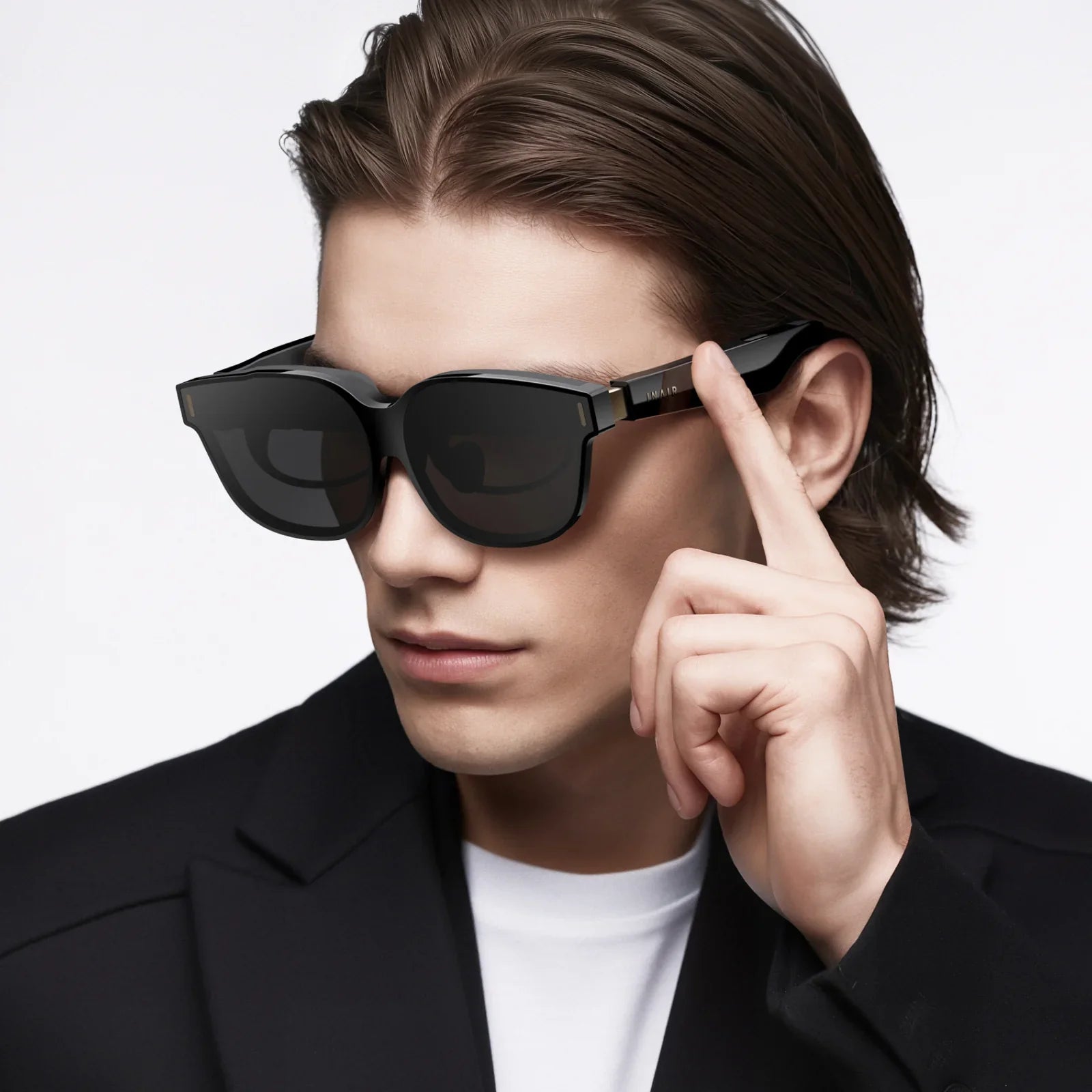
Imagine stepping into a world entirely of your own design, not as a anonymous visitor, but as a meticulously crafted version of yourself—or perhaps a self you’ve always dreamed of becoming. This is the powerful, personal promise held within the simple phrase: my VR models. It’s a declaration of ownership, creativity, and identity in the vast, expanding digital frontier of virtual reality. The ability to create, customize, and inhabit a virtual representation is no longer a fantasy reserved for high-budget studios; it’s a burgeoning personal canvas, an economic opportunity, and a profound new way to connect. This is the ultimate guide to unlocking that potential, a deep dive into the art, science, and soul of bringing your vision to life and stepping into it.
The Digital Clay: Tools and Techniques for Creation
The journey of 'my VR models' begins not in the headset, but at the workstation. A suite of powerful software has democratized 3D modeling, putting the tools of digital gods into the hands of enthusiasts. The process typically starts with a choice: sculpting or poly modeling. Sculpting applications function like digital clay, allowing artists to push, pull, and carve forms with an intuitive, artistic flow. This method is ideal for creating organic, high-detail models like characters, creatures, and expressive avatars that feel alive.
For more technical or hard-surface models—think armor, vehicles, or architectural elements—polygonal modeling is often the preferred route. Here, the creator works with vertices, edges, and faces to construct a model with precise control over its form and topology. The final, crucial step is rigging, the process of adding a digital skeleton. This armature of bones and joints is what allows a static model to move, bend, and animate fluidly within a virtual environment. Without a proper rig, your stunning creation would be little more than a beautiful statue.
Breathing Life Into Pixels: The Art of Texturing and Animation
A model’s geometry is only its foundation. Texturing is what gives it color, detail, and realism. Using a process called UV unwrapping, the 3D surface is laid out flat, like a pattern for a piece of clothing. Artists then paint directly onto this pattern in 2D software, creating maps that define not just color (Albedo), but also surface properties like roughness, metallic sheen, and bumps (Normal maps). A well-textured model can make the difference between a plastic-looking figure and one that appears to have worn leather, scratched metal, or soft, believable skin.
Animation is the final ingredient that injects soul. Using the rig created earlier, animators define keyframes of movement. This can be as simple as a idle sway or as complex as a full-body dance routine. The principles of traditional animation—squash and stretch, anticipation, and follow-through—are just as critical here, ensuring movement feels weighty and natural. For personal VR models, the most magical animation is often driven in real-time by the user themselves through motion tracking. Your real-world tilt of the head, the wave of your hand, and the inflection in your voice are translated instantly onto your virtual counterpart, creating an unparalleled sense of presence and embodiment.
The New Social Fabric: Identity and Interaction in Virtual Spaces
The true power of 'my VR models' is realized when they step out of the isolated workshop and into social virtual spaces. These avatars become our proxies, our vessels for interaction in digital worlds. They are far more than mere video game characters; they are a core component of identity expression. An individual might craft a model that is a hyper-realistic version of themselves to foster genuine connection, or they might choose a fantastical creature or abstract artistic form to explore different aspects of their personality or to experience the world from a completely novel perspective.
This choice of representation has profound social implications. It can democratize interaction, stripping away preconceptions based on physical appearance and allowing connections to form based on voice, ideas, and virtual body language. Virtual meetings, conferences, and concerts are transformed when attendees are not just silent tiles on a screen but embodied, gesticulating avatars in a shared digital space. The nod of agreement, the animated conversation between two models, the simple act of making eye contact—these micro-interactions, facilitated by our personal VR models, rebuild the rich tapestry of human social cues that are often lost in digital communication.
From Passion to Profession: The Emerging Avatar Economy
What begins as a personal hobby is rapidly evolving into a robust economic ecosystem. The phrase 'my VR models' is now also a business statement for a growing class of digital artisans. Online marketplaces are thriving hubs where creators can sell their custom avatars, accessories, and animations to a global audience. Users eager for a unique identity are willing to pay for high-quality models, driving a creator economy that mirrors the rise of digital marketplaces in other fields.
This economy extends beyond one-off sales. Skilled creators are commissioned for bespoke models, landing contracts for virtual production work, or being hired by groups to develop a cohesive visual identity for their community. Furthermore, as major virtual platforms develop more open economies, the potential for creators to earn ongoing royalties or monetize their work within specific ecosystems continues to grow. The barrier between creating for passion and creating for profit is becoming increasingly porous, empowering artists to turn their skills into a sustainable livelihood.
Navigating the Uncharted: Ethical and Technical Considerations
This exciting frontier is not without its challenges. The very power to create any identity raises complex questions of ethics and safety. The concept of digital deepfakes finds a parallel here with identity impersonation, where a malicious user could create a model designed to look like someone else without their consent. This potential for harassment and misinformation necessitates the development of robust verification and reporting tools within platforms.
On a technical level, interoperability remains a significant hurdle. A model created for one platform or game often cannot be easily transferred to another due to differing technical standards, animation systems, and art styles. Initiatives are underway to create universal standards for avatars, aiming for a future where your personal VR model can be your passport across the entire metaverse, but this vision of a seamless digital identity is still a work in progress. Creators must also be mindful of optimization; a beautifully detailed model with millions of polygons can bring even a powerful computer to its knees, so mastering the art of creating visually stunning yet performance-friendly assets is a critical skill.
The Horizon of Creation: What the Future Holds
The tools and technologies surrounding personal VR models are advancing at a breathtaking pace. We are moving towards a future where creation is increasingly accessible. Generative AI tools are emerging that can create a 3D model from a text description or a 2D image, dramatically lowering the technical barrier to entry. Photogrammetry, the process of creating 3D models from hundreds of photographs, is becoming more accessible, allowing for the easy digitization of real-world objects—and even people.
Looking further ahead, the line between the model and the user will continue to blur. Advancements in haptic feedback technology will allow us to not just see our virtual body but feel virtual interactions. Full-body tracking will become more precise and affordable, capturing the subtlety of our real-world movements. Ultimately, the evolution of 'my VR models' is leading us toward a future of truly immersive telepresence, where sharing a space with someone on the other side of the planet will feel tangibly real, and our digital selves will be limited only by the breadth of our imagination.
The door to a new dimension of self-expression is wide open, and the tools to build your place within it are waiting. Your avatar is more than a character; it's the key to experiences, communities, and opportunities that transcend the physical world. The question is no longer if you can create it, but what incredible form it will take and what adventures await once you do. The canvas is blank, the digital clay is ready—your journey to define 'my VR models' starts now.
Share:
VR Headset Not Connecting to Internet: A Complete Troubleshooting and Prevention Guide
iPhone 6s VR Goggles: Unlocking a Forgotten Portal to Virtual Worlds