


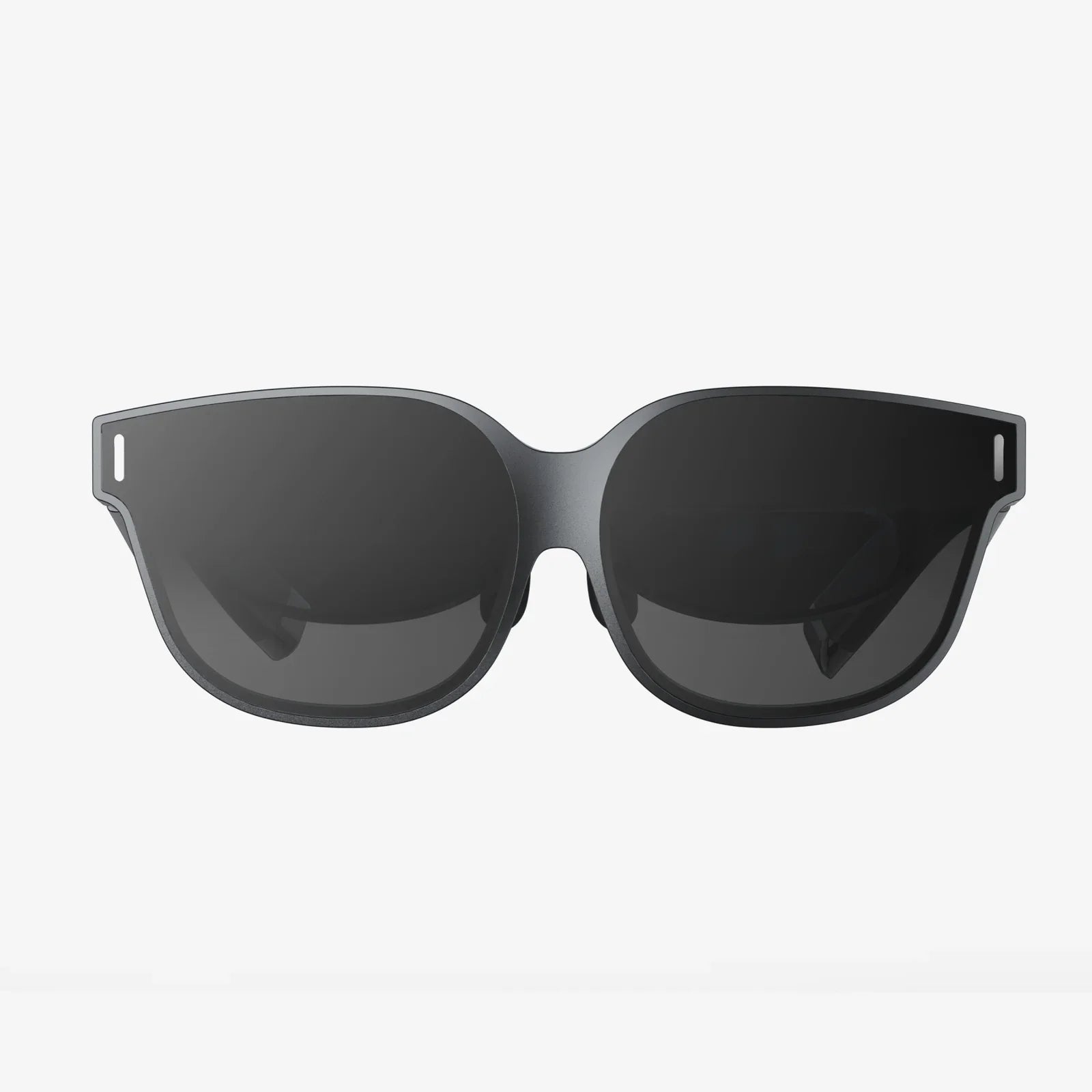
Imagine a world where digital information doesn’t live on a screen in your hand but is seamlessly woven into the fabric of your reality. Where directions appear as floating arrows on the street, a recipe hovers beside your mixing bowl, and a colleague’s avatar joins your workshop from across the globe. This is no longer the stuff of science fiction; it is the imminent future being unlocked by a new generation of sophisticated wearable technology. The latest advancements in this field are not just incremental updates; they represent a fundamental shift in our relationship with technology, promising to augment our intelligence, transform our workflows, and reshape social interaction in ways we are only beginning to comprehend.
The Architectural Leap: Powering the Unseen Interface
At the core of these new devices lies a technological symphony, a harmonious integration of hardware and software designed to be both powerful and invisible. Unlike their bulkier predecessors, modern iterations are a marvel of miniaturization. They are engineered for all-day comfort, resembling stylish eyewear rather than clunky head-mounted computers. This design philosophy is crucial for mainstream adoption, ensuring the technology enhances the user rather than alienating them from their surroundings.
The processing power packed into the sleek frames is staggering. Leveraging the ubiquitous and mature Android operating system provides a robust, flexible, and developer-friendly foundation. This is a critical differentiator. It means these glasses can tap into the vast ecosystem of the world’s most popular mobile OS, allowing for familiar app integrations and a lower barrier to entry for creators. This computational backbone is paired with an array of sophisticated sensors that act as the eyes and ears of the device.
High-resolution cameras, depth sensors, and microphones continuously scan the environment, while inertial measurement units (IMUs) track head and eye movement with precision. This constant stream of data is processed in real-time to understand the world in three dimensions. It’s this spatial understanding that separates true augmented reality from simple heads-up displays. The device isn’t just projecting an image; it’s comprehending the geometry of a room, recognizing objects, and anchoring digital content persistently in the user’s physical space.
The Magic of Display: Painting Light onto the World
Perhaps the most magical component is the display technology. The challenge has always been how to project vibrant, bright digital images that can be seen clearly in the dynamic lighting of the real world without blocking the user’s natural vision. Early technologies often resulted in dim, limited field-of-view images that felt more like a ghostly overlay than a true integration.
New waveguides and holographic optical elements have revolutionized this. Imagine a tiny projector embedded in the arm of the glasses that beams light onto a transparent, comb-like lens. This lens then guides and bends the light directly into the user’s pupil. The result is crisp, full-color, high-contrast graphics that appear to float in the world at various depths. This technology allows for a wide field of view, ensuring the digital elements are large and immersive enough to be genuinely useful, whether you’re examining a 3D model or watching a movie on a virtual giant screen.
A Universe of Applications: Beyond Novelty
The true potential of these glasses is unlocked not by the technology itself, but by its applications. We are moving beyond gimmicky filters and simple notifications into a realm of profound utility that will touch every aspect of professional and personal life.
Revolutionizing the Professional Sphere
In enterprise and industrial settings, the impact is already being felt. Field technicians, for instance, can have schematic diagrams and instruction manuals superimposed directly onto the machinery they are repairing. Their hands remain free, and their focus remains on the task, drastically reducing errors and improving efficiency. A remote expert can see what the technician sees and draw annotations directly into their field of view, enabling expert guidance from anywhere in the world.
In healthcare, a surgeon could have vital signs, 3D scans of a patient’s anatomy, and procedural checklists visible without ever looking away from the operating table. Architects and engineers can walk through full-scale 3D holograms of their building designs, making changes in real-time with a gesture. For logistics and warehousing, workers can see optimal picking routes and inventory information overlaid on shelves, supercharging fulfillment speed and accuracy.
Transforming Social Connection and Entertainment
On a personal level, the implications for communication are profound. Video calls could evolve into shared augmented spaces where participants feel as if they are sitting together in the same room, interacting with shared 3D objects. The concept of "spatial computing" means digital content can be tied to physical locations. You could leave a virtual note for a family member on the refrigerator or play an immersive AR game that transforms your entire local park into a fantasy battlefield.
Entertainment becomes an entirely personal and immersive experience. Instead of watching a movie on a television, you could project a massive, theater-quality screen onto your wall anywhere you go. Gaming evolves from a sedentary activity into one that encourages movement and interaction with your environment, blending the digital and physical in thrilling new ways.
The Inevitable Challenges: Navigating the New Frontier
This exciting future is not without its significant challenges and ethical dilemmas. The most immediate and frequently cited concern is privacy. A device that has a always-on camera and microphone, continuously capturing its surroundings, presents a monumental privacy challenge. The potential for unauthorized surveillance, data collection, and a chilling effect on public behavior is real. Robust, transparent, and user-centric privacy frameworks are not an optional feature; they are an absolute necessity. Features like physical camera shutters, clear recording indicators, and granular user controls over data will be paramount for building public trust.
Furthermore, the societal impact of widespread adoption cannot be ignored. The "digital divide" could evolve into a "reality divide," separating those who can afford to augment their world from those who cannot. There are also concerns about further erosion of real-world social skills and the potential for new forms of addiction and distraction. Walking down a street filled with people whose attention is captivated by their personalized digital overlays could fundamentally alter the nature of public life and shared experience.
The Road Ahead: A Blend of Humanity and Technology
The development of this technology is accelerating at a breathtaking pace. We can expect future iterations to become even lighter, more powerful, and more energy-efficient. Advances in artificial intelligence will make interactions more intuitive, moving beyond simple voice commands and gestures to anticipate user intent based on context and gaze. Battery technology remains a key hurdle, but innovations in low-power components and alternative charging solutions are on the horizon.
The ultimate success of these devices will depend on a delicate balance. They must enhance our human capabilities without replacing them, augment our reality without obscuring it, and connect us more deeply without making us more isolated. The goal is not to live inside a computer but to have a computer elegantly assist us in living better in our world.
The journey ahead is as much about crafting thoughtful policy and ethical guidelines as it is about technological innovation. It requires a collaborative effort between engineers, designers, ethicists, and policymakers to ensure this powerful technology is developed and deployed responsibly. The potential for good is immense, from revolutionizing education and expanding human capabilities to solving complex problems through visual data. We stand at the threshold of a new era of computing, one that is seamlessly integrated, contextually aware, and intimately personal. The future is not something we will look at on a screen; it is something we will see, interact with, and shape through the lens of our own experience.
Share:
Intelligent Glass Price - A Comprehensive Investment Guide for Modern Buildings
New Quest VR: The Next Evolution in Immersive Technology and What It Means for You