


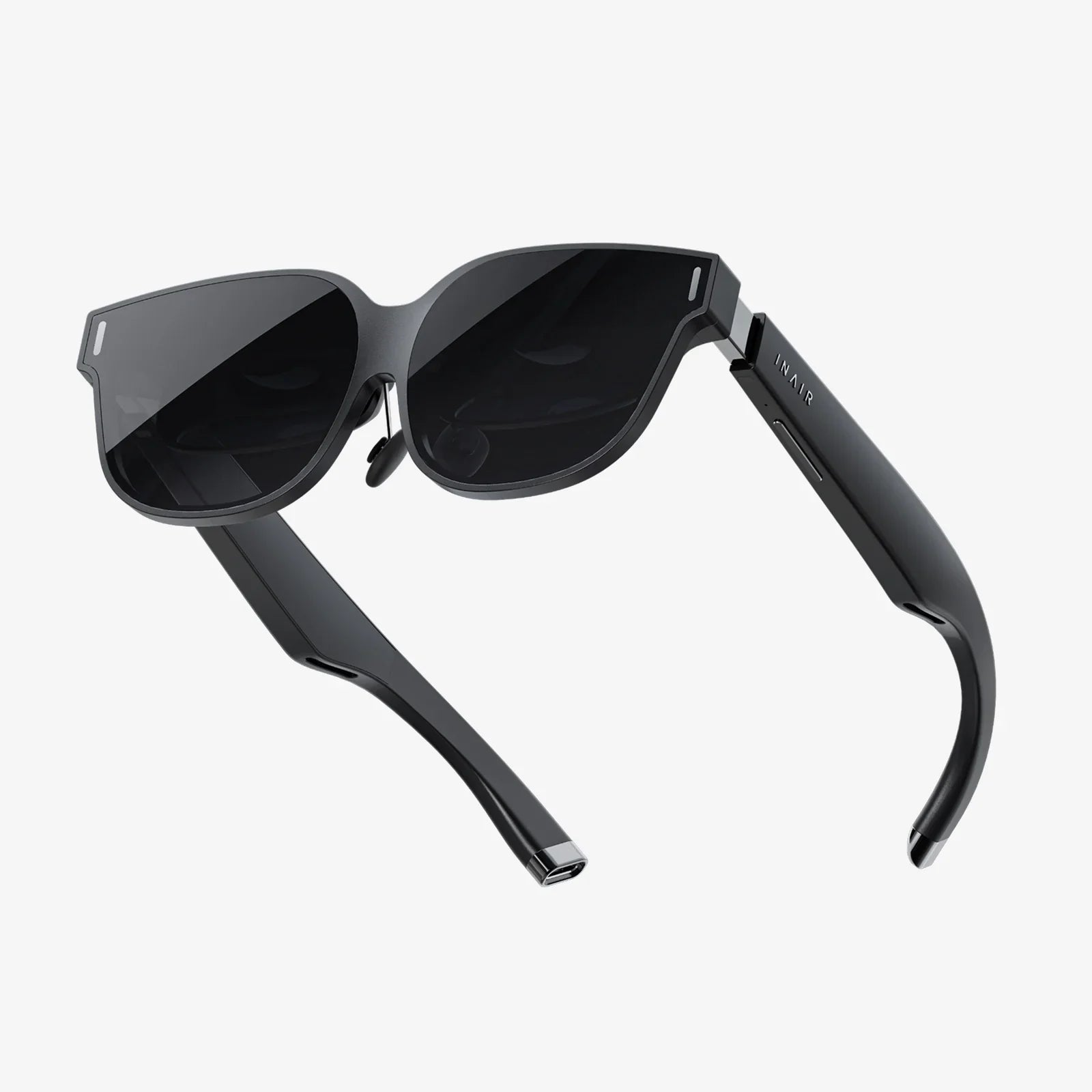
Imagine a world where the boundaries between the digital and the physical dissolve, where you can not only see a simulation but feel the sun on a virtual beach, smell the rain in a fantasy forest, and share an unspoken glance with a person an ocean away as if they were standing right beside you. This is the promise of next level virtual reality—a technological leap so profound it is poised to fundamentally alter the fabric of human interaction, creativity, and our very perception of existence itself. This is no longer about simply wearing a headset; it's about stepping through a portal.
Beyond the Visual: The Dawn of Full-Body Presence
The first generation of consumer virtual reality was a revolution in visual immersion. It tricked our eyes, convincing us we were somewhere else. Next level virtual reality aims to deceive our entire sensory system, creating a state of true presence that is indistinguishable from physical reality. This evolution is driven by breakthroughs in haptic feedback technology, moving beyond simple controller rumbles to sophisticated full-body suits and gloves equipped with a network of actuators. These devices can simulate the entire spectrum of touch, from the gentle pressure of a handshake and the texture of ancient stone to the jarring impact of a virtual object or the chilling sensation of a cold wind.
This tactile layer is complemented by emerging olfactory technology, often referred to as 'smell-o-vision' but far more advanced. Compact interfaces can now synthesize and release a complex array of scents on demand, seamlessly synchronized with the virtual environment. The crisp, thin air of a mountain peak, the sterile aroma of a spaceship's interior, or the rich, earthy smell of a damp cave after rainfall—these olfactory cues are processed by the most primitive parts of our brain, triggering powerful emotional and memory responses that cement the illusion of being there.
The Silent Network: Powering a Persistent World
None of these sensory advancements matter if the world itself feels static, lonely, or plagued by the digital ghosting and lag that shatter immersion. The backbone of next level virtual reality is a connectivity and computational infrastructure as revolutionary as the hardware itself. The widespread deployment of high-speed, low-latency networks is the unsung hero of this transformation. It enables a shift from isolated experiences to shared, persistent virtual worlds that exist continuously, regardless of whether you are logged in.
This persistent reality requires a monumental leap in cloud computing. Complex environments, advanced physics, and sophisticated artificial intelligence governing non-player characters are no longer processed on a local device but are rendered and maintained in powerful data centers. This cloud-streaming model means the visual fidelity and complexity of these worlds are no longer constrained by the hardware on your head. Users can experience photorealistic detail and vast, unbroken landscapes without the need for a supercomputer in their living room. This seamless, always-on, and infinitely scalable digital universe is the canvas upon which the future will be painted.
The Mirror World: Blurring the Lines Between Real and Virtual
A central concept driving next level virtual reality is the development of the 'Mirror World' or the 'Metaverse'—a high-fidelity digital twin of our own reality. This is not merely a cartoonish representation but a spatially accurate, data-rich layer over the physical world, accessible through VR and augmented reality (AR) interfaces. Architects and urban planners can walk through their unbuilt designs at 1:1 scale, observing how sunlight will fall through a window at different times of day. Historians could recreate ancient cities, allowing students to stroll through the bustling forums of Rome, hearing the chatter and witnessing events unfold.
This blending extends to social interaction. Current video conferencing, with its grid of faces, is a poor facsimile of a meeting. Next level VR social platforms use advanced avatars driven by eye-tracking and facial expression capture within the headset. Your digital representation doesn't just look like you; it is you. It mirrors your subtle frown of concentration, your raised eyebrow of skepticism, and your genuine smile. This allows for the transmission of non-verbal cues—the very foundation of human communication—making digital gatherings feel profoundly more authentic and meaningful. A business meeting, a family Christmas, or a concert with friends can be experienced with a sense of shared space and presence that flat screens cannot provide.
Transforming Industries: More Than Just Entertainment
While entertainment will undoubtedly be a massive driver, the true impact of next level virtual reality will be felt across every major industry, reshaping professional training, healthcare, and education.
Revolutionizing Training and Simulation
High-risk professions are already being transformed. Surgeons can practice complex procedures on virtual patients, experiencing the tactile feedback of different tissues and the consequences of their actions in a consequence-free environment. Astronauts, pilots, and soldiers can train for scenarios too dangerous or expensive to replicate in the real world. The fidelity of these simulations allows for the development of true muscle memory and instinctual reactions, saving lives and resources.
Therapeutic and Medical Applications
In healthcare, VR is proving to be a powerful therapeutic tool. It is used for exposure therapy, helping patients with phobias or PTSD confront and process their triggers in a safe, controlled setting. For patients undergoing painful procedures or enduring long hospital stays, VR serves as a powerful distraction, transporting them to calming environments that can measurably reduce perceived pain and anxiety. Researchers are also exploring its use in physical rehabilitation, creating engaging games that motivate patients to complete repetitive movements essential for recovery.
The Future of Education and Remote Work
Education will shift from passive learning to active exploration. Instead of reading about the Roman Empire, students will walk its streets. Instead of watching a video about cellular mitosis, they will shrink down to witness the process firsthand. This experiential learning fosters a deeper, more intuitive understanding. For remote work, the implications are staggering. The concept of a 'virtual office' will evolve from a Slack channel to an actual designed space where spontaneous 'watercooler' conversations can happen, whiteboards can be drawn on in mid-air, and 3D data models can be collaboratively examined and manipulated by a distributed team as if they were a physical object in the room.
The Human Mind in the Machine: Ethical and Societal Considerations
With such profound power comes immense responsibility. The advent of next level virtual reality raises critical ethical questions that society must grapple with.
- Privacy and Data Sovereignty: These systems will collect unprecedented amounts of biometric and behavioral data—our eye movements, our physiological responses, our social interactions. Who owns this data? How is it used and protected? The potential for manipulation and surveillance is staggering.
- The Reality Gap: As virtual experiences become more compelling and rewarding than physical ones, will we see a retreat from reality? What are the psychological effects of prolonged immersion, and how do we maintain a healthy balance between our digital and physical lives?
- Access and Inequality: This technology will be expensive initially. There is a very real risk of creating a new digital divide—a chasm between those who can afford to access these transformative experiences and worlds and those who cannot, potentially exacerbating existing social and economic inequalities.
- Identity and Authenticity: In a world where we can be anyone or anything, questions of identity become complex. While this can be liberating, it also opens the door to new forms of deception and challenges our fundamental notions of truth and authenticity in human interaction.
The Invisible Interface: Towards a Brain-Computer Future
The ultimate destination for next level virtual reality is the complete removal of the intermediary hardware. The current goal is to make headsets smaller, lighter, and eventually as unobtrusive as a pair of everyday glasses. However, the true endgame is a direct neural interface—a high-bandwidth connection between the human brain and the digital world.
Research in this area is accelerating rapidly. The goal is not to read thoughts, but to create a seamless two-way communication channel. You could simply will your avatar to move, or to create a shape, translating intention directly into digital action. Information could be experienced not as images on a screen but as direct sensory perception or understood concepts. This would represent the final dissolution of the interface, making the digital world a true extension of our own consciousness. While this technology is still in its infancy, it is the logical culmination of the journey to make virtual reality not just something we see, but something we are.
The path forward is as exhilarating as it is daunting. Next level virtual reality is not merely a new gadget; it is a foundational technology, a new medium for human experience that will reshape how we learn, work, heal, and connect. It challenges us to redefine the very concept of 'real' and demands that we build this new frontier with careful consideration, robust ethics, and an unwavering focus on enhancing our humanity, not escaping it. The portal is opening; the question is no longer if we will step through, but how we will choose to navigate the incredible, boundless worlds we find on the other side.
Share:
AI Understanding: The Journey from Pattern Recognition to True Comprehension
Are AR Glasses the Next Big Thing? Exploring the Future of Wearable Tech