


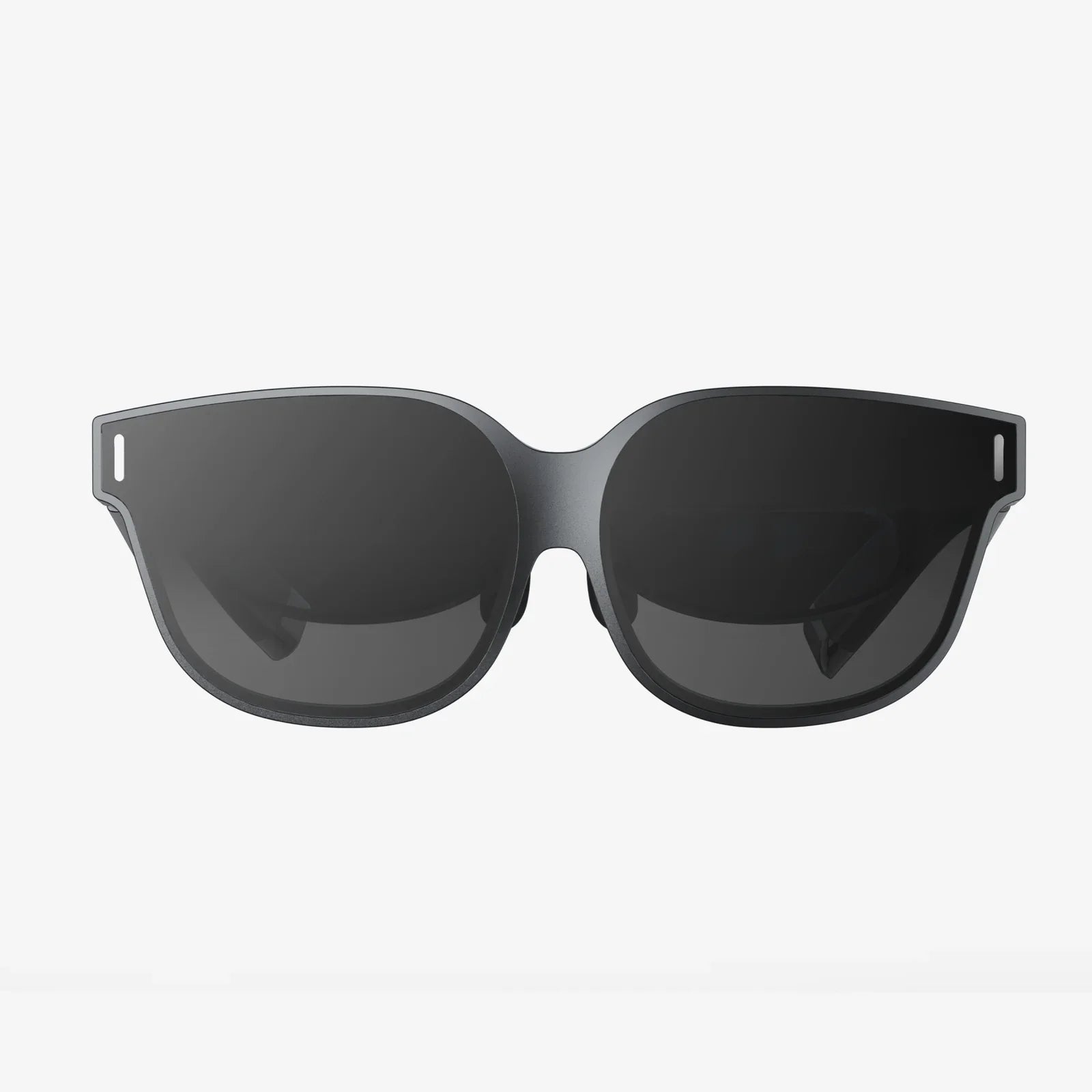
Imagine a world where your shirt monitors your cardiac health in real-time, your glasses translate foreign street signs instantly, and a discreet skin patch administers medication automatically. This isn't the distant future of science fiction; it is the tangible, accelerating reality of next wearable technology. We are standing at the precipice of a revolution that will move wearables from convenient accessories on our wrists to indispensable, intelligent systems woven into the very fabric of our lives. This next wave is not merely an incremental update; it is a fundamental shift from devices we wear to environments we inhabit, promising to redefine human potential, wellness, and our interaction with the digital world.
The Evolution: From Quantified Self to Integrated Ecosystem
The journey of wearable technology began with a simple premise: the quantified self. Early devices, primarily focused on step counting and basic activity tracking, introduced millions to the concept of personal data. They were external gadgets, often clunky and limited in scope. The subsequent generation, dominated by sophisticated smartwatches, expanded this horizon, integrating notifications, GPS, and more advanced health metrics like heart rate monitoring and ECG. They became our digital companions, tethered to our smartphones.
However, next wearable technology represents a quantum leap beyond this. The key differentiators are seamless integration, contextual intelligence, and proactive functionality. The goal is no longer just to collect data, but to interpret it, act upon it, and dissolve into the background of our lives. This evolution is being driven by breakthroughs in several critical fields:
- Miniaturization and Flexible Electronics: Sensors and processors are shrinking to near-invisible sizes while becoming more powerful and energy-efficient. Flexible substrates and stretchable circuits allow electronics to conform to the human body, moving from rigid wristbands to soft, comfortable patches and textiles.
- Advanced Materials Science: The development of smart fabrics—textiles embedded with conductive fibers and micro-sensors—is creating a new category of wearables: our clothes. Similarly, biocompatible materials enable devices that can safely interface with the skin for extended periods, even subdermally.
- Artificial Intelligence and Machine Learning: AI is the brain of the next wearable. It processes the vast, continuous streams of biometric and environmental data, transforming raw numbers into meaningful insights, predicting events, and enabling personalized recommendations and interventions.
- Energy Harvesting: The limitation of battery life is being tackled through innovative solutions like kinetic energy harvesting (from movement), solar power, and even using the body's own bioheat as a power source, moving towards self-sustaining devices.
The Form Factor Revolution: Beyond the Wrist
The most visible sign of this next generation is the explosion of new form factors. The wrist will remain a valuable location, but it will be joined by a diverse array of technologies across the body.
Smart Skins and Patches
Disposable and reusable electronic patches are emerging as a powerful tool for medical and wellness monitoring. Adhered directly to the skin, they offer unparalleled, continuous access to physiological data. Next-generation patches will go far beyond measuring heart rate; they will monitor hydration levels, track specific biomarkers in sweat for early disease detection, measure blood glucose without needles, and even deliver transdermal medication in precise, timed doses based on real-time needs. For post-operative care or managing chronic conditions, these patches provide a level of continuous care previously only available in a hospital.
Smart Textiles and E-Textiles
This is perhaps the most seamless integration of all. The next wearable technology will be your clothing. Sportswear that monitors muscle fatigue and form during a workout, socks that analyze gait patterns to prevent injury, and bras with embedded sensors for early detection of breast cancer anomalies are already in development. For the elderly, smart pajamas could detect falls during the night and automatically alert emergency services. The military is exploring uniforms that monitor vitals and location of soldiers in the field. The potential is limitless, turning passive garments into active, data-gathering partners.
Advanced Hearables
Earbuds are evolving from simple audio devices into sophisticated health and augmented auditory platforms. Next-generation hearables will feature advanced biometric sensors for core body temperature and heart rate. They will also act as intelligent auditory filters, using AI to amplify important sounds (like a conversation in a noisy room) while dampening damaging or distracting noise. They could provide real-time language translation directly into the ear or offer immersive auditory navigation cues, enhancing situational awareness without a visual display.
Intelligent Eyewear
Augmented Reality (AR) glasses are the holy grail of next wearable technology, aiming to overlay digital information seamlessly onto the physical world. While current iterations are still developing, the future promises lightweight, stylish glasses that can display directions, project meeting notes onto a table, provide real-time information about a landmark, or offer hands-free instructional guides for complex tasks. Beyond AR, smart contact lenses are being developed to monitor glucose levels from tears or correct vision dynamically, adapting to the user's needs throughout the day.
The Engine Room: AI and Hyper-Personalization
The hardware is only half the story. The true intelligence of next wearable technology lies in the software and algorithms that power it. Artificial Intelligence and Machine Learning will act as a personal health and productivity coach, analyzing petabytes of individualized data to establish a unique baseline for each user.
This moves wearables from generic metrics to hyper-personalized insights. Instead of just telling you you slept poorly, an AI-powered system could cross-reference your sleep data with your daily activity, caffeine intake (tracked automatically), and stress levels to identify the specific factors disrupting your sleep and suggest actionable, personalized recommendations. It could detect subtle deviations from your personal norm that might indicate the onset of illness days before symptoms appear. This shift from reactive to predictive and prescriptive care is the single most transformative aspect of the next wearable revolution.
Transformative Applications: Reshaping Industries
The impact of these technologies will ripple across every sector of society.
Healthcare and Remote Patient Monitoring
This is the most profound application. Next wearables will enable a shift from episodic, hospital-centric care to continuous, preventative, and home-based health management. Doctors will be able to monitor patients with chronic conditions like heart disease, diabetes, or hypertension remotely, receiving alerts for concerning trends before they become emergencies. This reduces hospital readmissions, empowers patients in their own care, and makes medicine vastly more efficient. Clinical trials will also be revolutionized, with continuous, real-world data providing deeper insights into drug efficacy and side effects.
Enterprise and Industrial Productivity
In industrial settings, smart wearables will enhance safety and efficiency. AR glasses can provide warehouse workers with hands-free picking instructions, overlaying the most efficient route and identifying items. Exoskeletons can assist factory workers with heavy lifting, reducing fatigue and preventing injury. Smart helmets can monitor workers' vitals in extreme environments, alerting them to heat stress or fatigue. The potential for training, remote expert assistance, and workflow optimization is enormous.
Sports Performance and Fitness
Athletes will benefit from a new level of biomechanical feedback. Smart clothing will analyze muscle activation, running efficiency, and technique in real-time, providing immediate feedback to optimize performance and prevent injury. Hydration and electrolyte levels can be monitored continuously, allowing for precise replenishment strategies. For amateur fitness enthusiasts, this democratizes access to coaching and insights that were once available only to elite professionals.
Navigating the Challenges: The Road Ahead
For all its promise, the path forward is not without significant hurdles that must be addressed.
- Data Privacy and Security: These devices will collect the most intimate details of our biological existence. Who owns this data? How is it stored, secured, and used? Robust regulatory frameworks and transparent corporate policies are essential to prevent misuse, discrimination by insurers or employers, and massive data breaches.
- Battery Life and Power Management: While energy harvesting offers promise, powering always-on, sophisticated sensors remains a technical challenge that needs continuous innovation.
- Social Acceptance and Digital Divide: Will people be comfortable wearing always-on sensors in their clothing or on their eyes? Societal norms will need to evolve. Furthermore, there is a risk that these advanced technologies could exacerbate health and social inequalities if they are only accessible to the wealthy.
- Regulatory Hurdles: Medical-grade wearables will require rigorous testing and approval from bodies, a process that can be slow and costly, potentially delaying life-saving innovations.
The dawn of next wearable technology promises a future where our understanding of our own bodies and our interaction with the world is fundamentally enhanced. It’s a future where technology doesn’t demand our attention but quietly works in the background to empower us, protect us, and unlock new levels of human experience. The devices on our wrists were just the beginning; the true revolution is just starting to unfold, and it will be woven into everything we are.
Share:
What Are AR Glasses Used For: A Deep Dive Into Their Real-World Applications
Smart Glasses Launch News: The Next Evolution in Wearable Technology is Here