


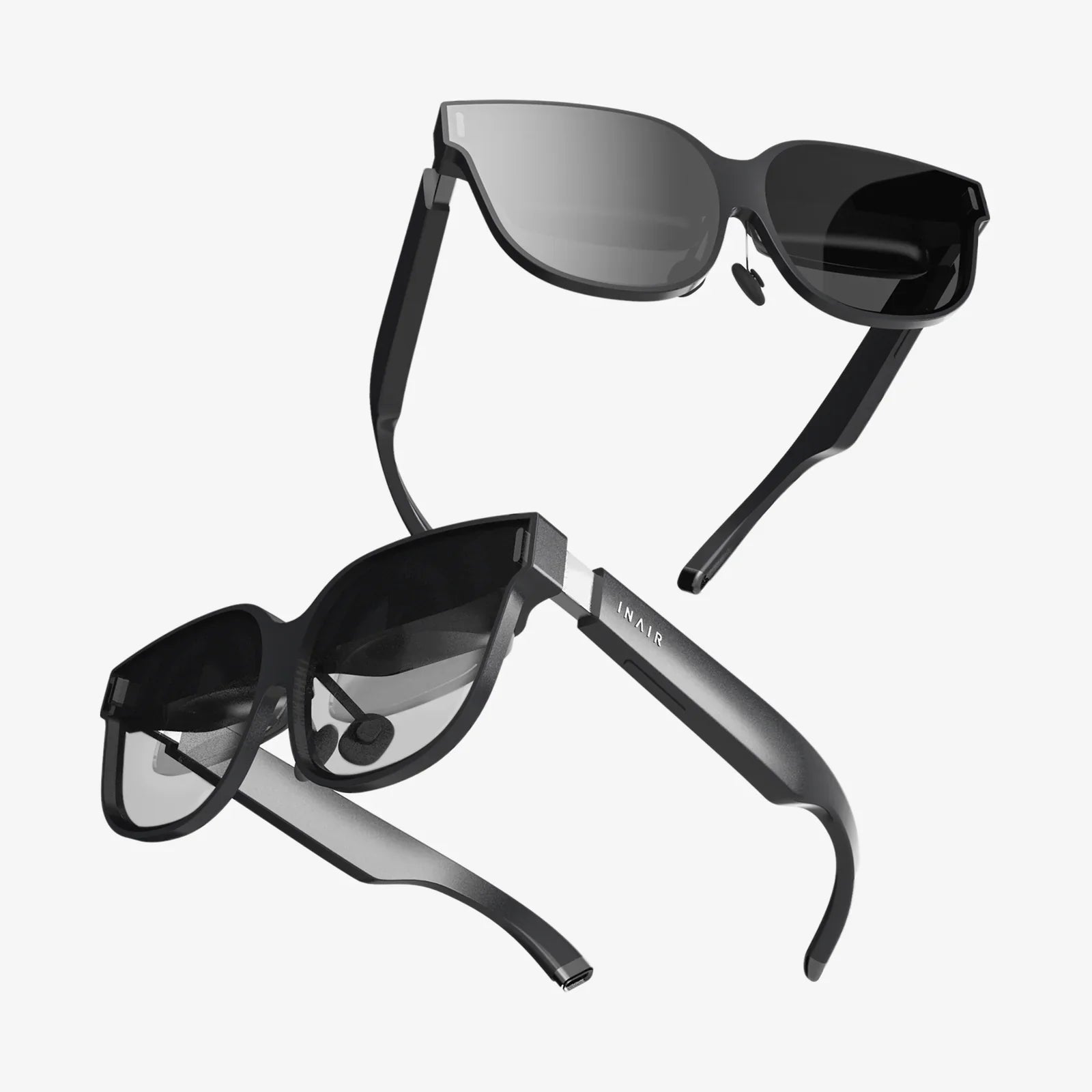
The tech world is buzzing, and this time, it’s not about a faster phone or a thinner laptop. The air is electric with the palpable shift towards a more integrated, seamless form of computing—one you wear on your face. The recent flurry of smart glasses launch news isn't just another product cycle; it's the sound of the future clicking into place, promising to overlay our digital lives onto the physical world in ways we've only seen in science fiction. This isn't a tentative step; it's a confident stride into the next era of wearables, and it’s poised to change everything.
The Long Road to Now: From Concept to Consumer Reality
The dream of smart glasses is not new. For over a decade, developers and tech giants have teased the potential of augmented reality (AR) eyewear. Early attempts were groundbreaking but ultimately flawed—bulky, expensive, socially awkward, and limited by the technology of their time. They were powerful proofs-of-concept that lived mostly in research labs and the hands of eager developers. The public saw them as fascinating, yet distant, curiosities.
The recent smart glasses launch news marks a critical departure from this past. The new generation of devices represents a convergence of several technological advancements that have finally reached maturity. The journey from those clunky prototypes to the sleek, consumer-focused designs announced today is a story of relentless innovation across multiple fields.
Under the Hood: The Tech Powering the New Vision
So, what makes this wave of launches different? It’s the sophisticated cocktail of technologies that have finally become small, efficient, and powerful enough to fit into the frame of everyday glasses.
Micro-Optics and Waveguide Displays
At the heart of any smart glasses is the display technology. The challenge has always been to project a bright, clear digital image onto the lens without obstructing the user's natural view. Early systems used cumbersome prism-based designs. The latest launches overwhelmingly utilize advanced waveguide technology. These are essentially transparent lenses etched with microscopic patterns that channel light from tiny projectors at the temples directly into the user’s eye. The result is a crisp, floating display that feels magically integrated into the real world, all while the glasses remain remarkably thin and light.
The AI Brain: On-Device and Cloud Intelligence
Hardware is nothing without software. Modern smart glasses are powered by sophisticated artificial intelligence. This isn't just about voice assistants; it's about contextual awareness. Using a suite of sensors—including high-resolution cameras, microphones, inertial measurement units (IMUs), and sometimes depth sensors—the glasses constantly perceive the environment.
New chipsets are capable of handling significant AI processing directly on the device. This "on-device AI" is crucial for two reasons: speed and privacy. Tasks like real-time translation, object identification, and navigation can happen instantaneously without a constant internet connection, and sensitive data like video feeds can be processed locally without being streamed to the cloud.
Audio Revolution: Spatial and Private Sound
How do you deliver audio without headphones? Many new models employ bone conduction or miniature directional speakers built into the temples. These speakers fire sound waves directly into the ear canal, allowing the user to hear music, podcasts, and notifications clearly while still being aware of ambient noises like traffic or a conversation partner. This makes them far safer and more social for all-day use than noise-canceling earbuds. Furthermore, advancements in spatial audio create immersive soundscapes that align with digital objects in the user’s environment, deepening the AR experience.
Beyond Novelty: Defining the Killer Use Cases
The previous generation of smart glasses struggled to answer a simple question: "Why would I wear these?" The latest launches provide a compelling and multifaceted answer, moving beyond gimmicks to genuine utility.
Seamless Connectivity and Contextual Computing
The primary function for many new models is acting as a satellite for your smartphone. Notifications, calls, and messages appear in your periphery, allowing you to stay connected without constantly pulling out your phone. This reduces digital distraction rather than increasing it; a quick glance at a text message preview is less intrusive than diving into a smartphone for several minutes. The AI can prioritize alerts based on your activity, ensuring you only see what’s truly important.
Real-Time Translation and Accessibility
This is one of the most powerful and immediate applications. Imagine looking at a restaurant menu in a foreign language and seeing the translation overlaid in real-time. Or having a conversation with someone who speaks a different language, with subtitles seamlessly appearing before your eyes. For individuals who are hard of hearing, the glasses could transcribe conversations live, making social interactions dramatically easier. This use case alone has the potential to break down significant cultural and accessibility barriers.
Enhanced Navigation and Information
Walking through a new city will never be the same. Instead of looking down at a phone map, digital turn arrows can be projected onto the sidewalk in front of you. Look at a landmark, and its history pops up. Glance at a restaurant, and see its reviews and star rating. This hands-free, heads-up form of navigation is not only more convenient but also significantly safer.
Content Creation and First-Person Perspective
The built-in cameras open up new possibilities for capturing life from a first-person point of view. Whether it’s recording a child’s first steps without a screen between you, creating immersive tutorials for work, or streaming a live concert to friends, the perspective is uniquely intimate and engaging. The ability to capture photos and short video clips hands-free makes the camera an always-available, never-obtrusive tool.
Navigating the Minefield: Privacy, Security, and Social Acceptance
This exciting future is not without its perils. The very features that make smart glasses powerful—always-on cameras and microphones—also make them a privacy nightmare waiting to happen. The specter of unsanctioned recording in private spaces is a serious societal concern that manufacturers are acutely aware of.
In response, the industry is implementing clear hardware-based privacy safeguards. Many new devices feature prominent LED indicators that glow when the camera is active, a physical design choice that makes recording obvious to others. Some are exploring even more explicit signals, like a distinctive shutter sound that cannot be disabled. Data security is also paramount, with heavy encryption and on-device processing ensuring that personal video and audio data does not leave the glasses without explicit user consent.
Social acceptance, or the "glasshole" stigma, remains the final hurdle. The success of this technology depends on it becoming socially invisible. The latest designs have taken this to heart, prioritizing a fashion-forward, minimalist aesthetic that looks nearly indistinguishable from traditional eyewear. This is a deliberate and critical strategy to normalize the technology and allow it to blend into everyday life.
The Competitive Landscape: A Market Poised for Explosion
The recent launch news doesn't come from a single source; it's a symphony of activity from across the tech spectrum. While specific brands are omitted, the players can be categorized: established tech giants with vast ecosystems, ambitious startups focused on niche applications, and surprising entrants from adjacent industries like traditional eyewear and social media. This diversity is a healthy sign of a market validating itself. Each player is approaching the problem from a different angle—some focusing on enterprise and productivity, others on consumer entertainment and social connection. This competition will drive rapid innovation, lower prices, and ultimately give consumers more choice.
The Future is Through Your Eyes
We are standing at the inflection point. The technology has matured, the design has been refined, and the use cases have moved from speculative to practical. The initial wave of devices will undoubtedly have limitations—battery life, field of view, app ecosystems—but the foundation they are building is unshakable. This is the beginning of the transition from a world where we look at screens to one where we look through them.
In the coming years, we can expect these glasses to become even more powerful and integrated. They will evolve from a companion device into a primary computing platform, potentially replacing our phones for many tasks. They will become our translator, our navigator, our personal assistant, and our photographer, all from a device that simply looks like a pair of glasses. The boundary between the digital and the physical will continue to blur, creating new forms of art, entertainment, and human connection that we can barely imagine today.
Remember staring at your first smartphone and wondering how you ever lived without it? The whispers from the latest smart glasses launch news suggest we’re on the cusp of that same feeling all over again. This isn’t just an upgrade; it’s a gateway, offering a glimpse into a world where information isn’t confined to a rectangle in your pocket but is woven seamlessly into the fabric of your reality. The future is looking right back at you, and it’s wearing glasses.
Share:
Next Wearable Technology: Beyond the Wrist, Into the Fabric of Life
What Are Trending Digital Products: The Hottest Tech Innovations Shaping Our Future