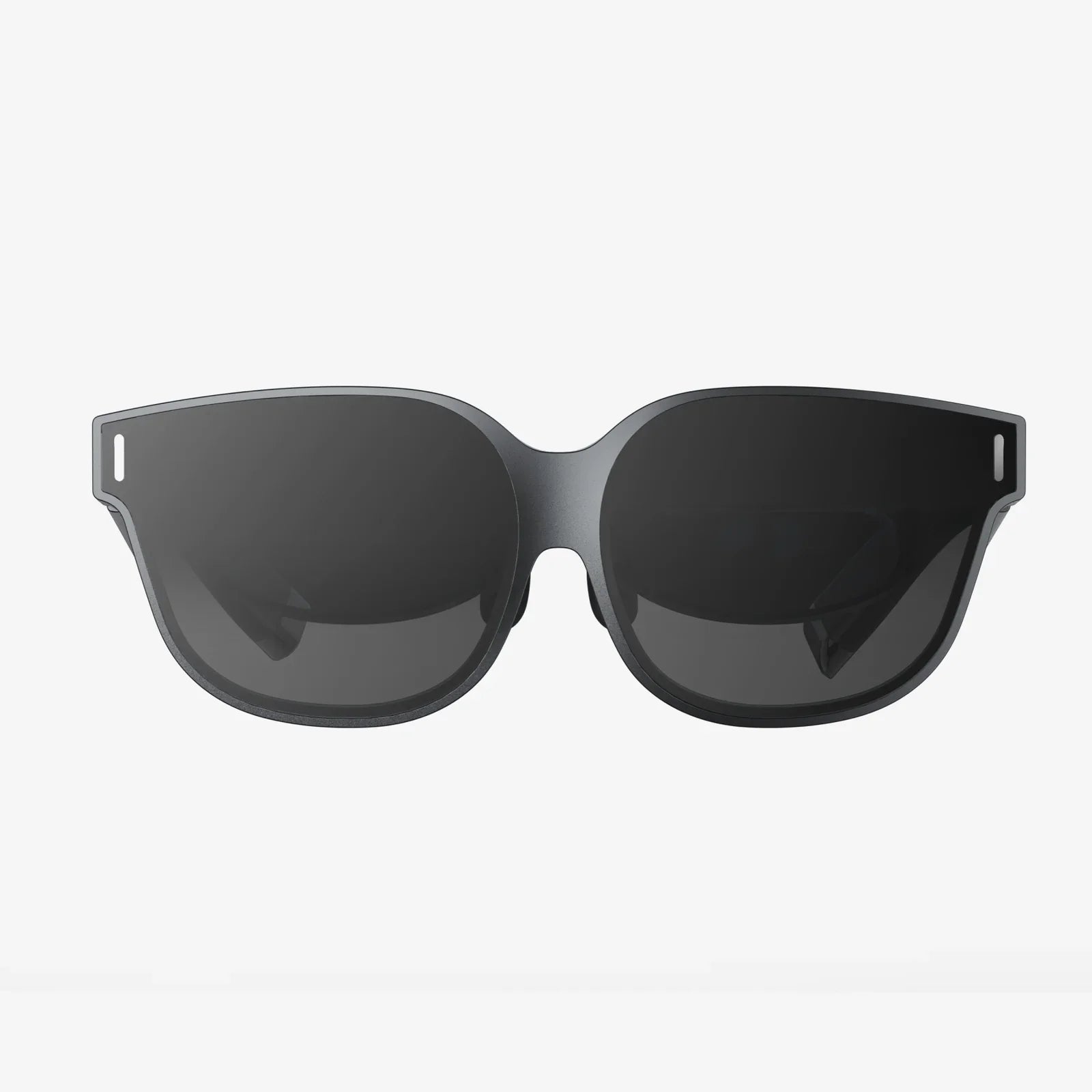
Imagine a world where the searing agony of a severe burn or the deep, persistent throb of chronic pain could be dialed down not with a potent pill, but with a simple headset. This is not science fiction; it is the rapidly evolving, evidence-based reality of one of virtual reality's most profound and beneficial effects: its revolutionary capacity to manage pain and facilitate therapeutic healing. By hijacking the human brain's perceptual and attentional resources, VR offers a powerful, non-invasive, and often astonishingly effective tool that is changing lives and challenging conventional medical paradigms.
The Science of Distraction: How VR Hijacks the Brain's Pain Pathways
To understand VR's power, one must first understand the fundamental nature of pain. Pain is not a direct, unfiltered signal from the body to the brain. Instead, it is a complex, constructed experience modulated by the brain itself. The brain has a limited capacity for conscious attention; it cannot fully process all sensory inputs simultaneously. This is where the mechanism of immersive distraction comes into play.
Virtual reality creates a visually and auditorily dominant environment that demands cognitive engagement. When a user is navigating a snowy landscape, solving a puzzle in a magical world, or even simply interacting with a calming, three-dimensional space, their brain must allocate a significant portion of its processing power to this task. This leaves fewer neural resources available to process the signals coming from nociceptors—the body's pain receptors. It is not that the signal is blocked; rather, it is deprioritized and thus perceived as less intense.
Functional MRI studies have provided tangible proof of this phenomenon. When patients undergoing painful procedures use VR, there is a marked decrease in activity in the pain-processing regions of the brain, such as the anterior cingulate cortex and the primary and secondary somatosensory cortices. Concurrently, there is increased activity in areas associated with visual processing and attention. The brain, quite literally, is too busy to hurt. This neurobiological shift forms the bedrock of VR's beneficial effect in medicine.
Transforming Acute Pain: From Burn Care to Physical Therapy
One of the most dramatic applications of VR for pain management is in the treatment of acute, procedure-related pain. The gold standard for measuring pain is the patient's subjective report, often using a Visual Analog Scale (VAS) from 0 (no pain) to 10 (worst pain imaginable). In numerous clinical trials, patients using VR during painful procedures consistently report reductions of 30-50% in their perceived pain scores.
Burn wound care is a prime example. Cleaning and debriding severe burns is excruciatingly painful, often described as being tortured, and typically requires massive doses of opioids that come with significant side effects. When patients don a VR headset during this process and are immersed in a calming, interactive environment like SnowWorld—where they throw snowballs at penguins and igloos—their reported pain levels plummet. This allows clinicians to perform necessary care more effectively and reduces the patient's trauma and anxiety associated with each session. The immersive nature of VR is so powerful that it outperforms other forms of distraction, like watching television or playing a two-dimensional video game, because it fully occupies the user's visual field and auditory channels.
This application extends to other areas of acute care:
-
Dental Procedures: Patients, especially those with dental phobias, can use VR to escape the sights and sounds of the dentist's office, reducing anxiety and perceived pain during cleanings, fillings, and even root canals.
-
Physical Therapy and Rehabilitation: The repetitive exercises required for recovery from injuries or strokes can be painful and monotonous. VR transforms these tasks into engaging games. A patient recovering from a shoulder injury might be tasked with virtually slicing through flying fruits, turning a painful movement into a fun challenge. This not only distracts from discomfort but also increases motivation and adherence to therapy regimens.
-
Childbirth: Early studies are exploring the use of VR during labor as a non-pharmacological method for pain relief, offering expectant mothers a serene beach or forest environment to focus on amidst contractions.
A New Frontier for Chronic Pain: Retraining the Brain
While VR's role in acute pain is impressive, its potential impact on chronic pain conditions is perhaps even more revolutionary. Chronic pain, which persists for months or years, involves complex changes in the central nervous system, a phenomenon known as central sensitization. The brain becomes stuck in a loop of pain perception. VR offers a unique way to break this cycle.
Beyond simple distraction, advanced VR therapies are being developed to directly confront and retrain maladaptive brain processes. One such approach is called graded exposure therapy.
For patients with conditions like Complex Regional Pain Syndrome (CRPS) or severe fibromyalgia, the brain's body map can become distorted. The affected limb may not feel like it belongs to the person, or the mere thought of moving it can trigger a pain response. Through VR, a patient can see a virtual representation of their limb moving smoothly and painlessly. By providing this visual feedback, the technology helps to slowly recalibrate the brain's distorted model, teaching it that movement is safe and not synonymous with pain. This can gradually reduce the heightened pain sensitivity and restore function.
Furthermore, VR-based mindfulness and meditation programs are proving effective for chronic pain management. Patients can be immersed in breathtaking, peaceful environments—from a misty mountaintop to a quiet riverbank—while guided through breathing and meditation exercises. This combination of immersive escapism and mindfulness practice helps patients develop better coping mechanisms, reduce the anxiety and depression that often accompany chronic pain, and regain a sense of control over their bodies.
Overcoming Challenges and Looking to the Future
Despite its promise, the integration of VR into mainstream healthcare faces hurdles. Cost, accessibility, and technological standardization are significant barriers. Ensuring that VR experiences are designed with clinical efficacy in mind, not just entertainment value, is crucial. There is also the challenge of cybersickness—a form of motion sickness some users experience—which developers are mitigating with better hardware and software design.
However, the trajectory is overwhelmingly positive. As technology becomes cheaper, more wireless, and more sophisticated, its adoption will widen. Research is expanding into new frontiers, such as using VR to treat phantom limb pain, manage the psychological distress of chemotherapy, and even help with eating disorders by allowing patients to confront body image issues in a controlled virtual space.
The true beauty of this technology lies in its patient-centricity. It returns a measure of agency to the individual, empowering them with an active tool to manage their experience rather than passively receiving treatment. It demystifies pain, framing it not as an immutable reality but as a perceptible experience that can be shaped and modulated.
From the sterile, terrifying environment of a burn unit to the isolating confines of a chronic pain patient's home, virtual reality is weaving a new narrative. It is a narrative where healing is not solely dependent on pharmaceuticals but can be accessed through experience, engagement, and the remarkable plasticity of the human mind. This single beneficial effect—mastering the perception of pain—is not just a technical innovation; it is a profound act of human compassion, offering relief, hope, and a brighter path forward for millions.