


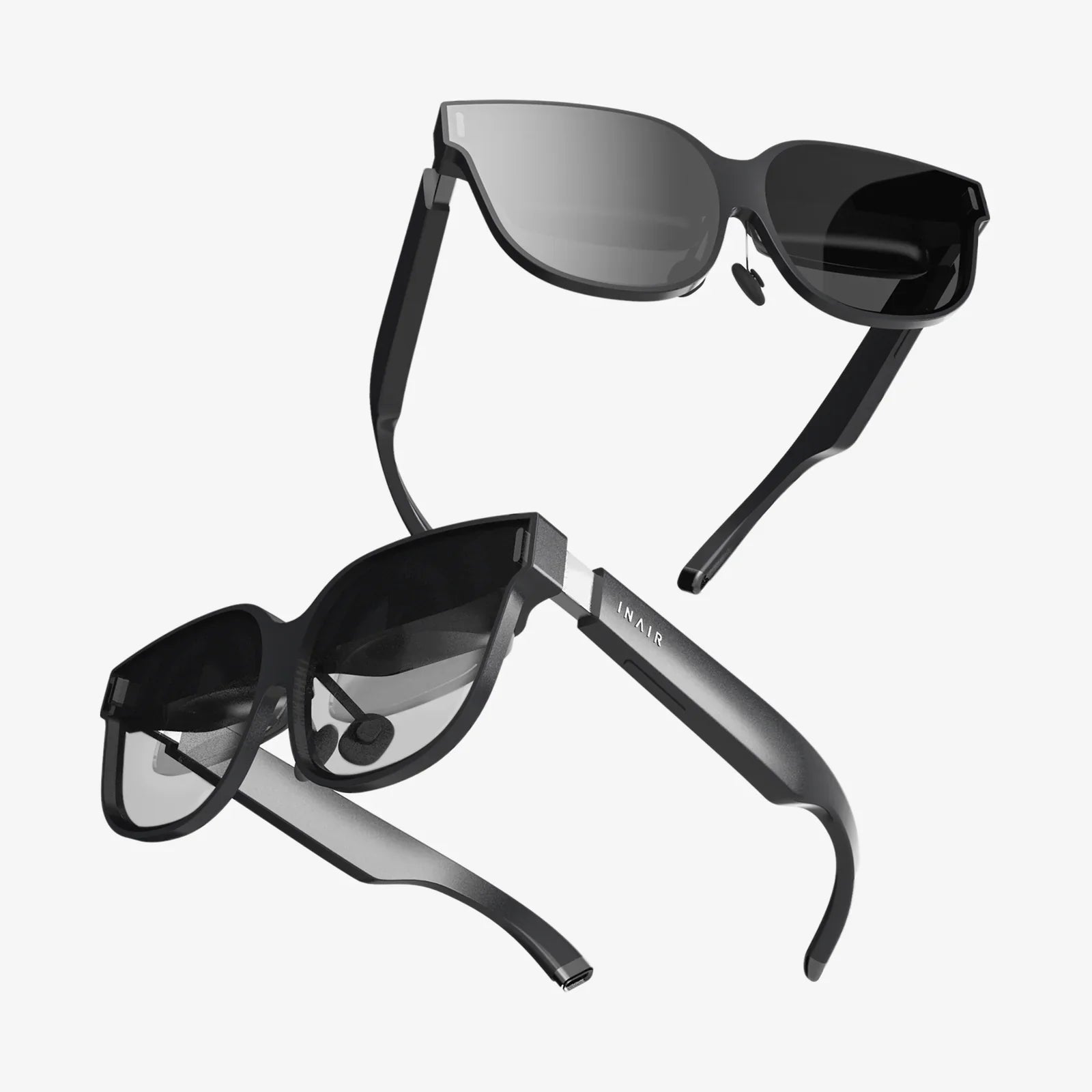
The virtual realm is calling, louder and more vividly than ever before. If you've been waiting on the sidelines for the technology to mature, for the pixels to disappear, and for the experiences to become truly mind-bending, your year has finally arrived. 2025 isn't just another cycle of incremental updates; it's a paradigm shift, a watershed moment where high-fidelity PC-powered virtual reality transitions from a niche enthusiast pursuit to a mainstream visual and interactive marvel. The choices are more compelling, and the differences more nuanced, making the journey to find your perfect headset both thrilling and complex. This definitive guide cuts through the hype, placing the latest and greatest PC VR headsets side-by-side in a no-holds-barred comparison to equip you with everything you need to make an informed decision and step confidently into the future.
The 2025 VR Landscape: Beyond Resolution
Gone are the days when comparing headsets was a simple matter of checking the resolution spec and calling it a day. The battlefield in 2025 is multidimensional. While pixel density continues its march toward the indistinguishable clarity of retinal displays, the fiercest competition now rages across three new frontiers: visual fidelity beyond resolution, intuitive interaction, and seamless ecosystem integration. We're evaluating each contender against a rigorous set of criteria that truly matter to the modern VR user.
The Key Comparison Metrics
Our analysis delves deep into the specifications and user experience that define a top-tier headset in 2025.
Visual Performance: The Quest for Perfect Clarity
The combined effect of resolution, lens technology, and display type creates the visual experience.
- Panel Technology & Resolution: The shift to micro-OLED and advanced mini-LED panels is now complete in the high-end segment. These technologies offer per-pixel lighting, resulting in infinite contrast ratios, true blacks, and breathtaking HDR capabilities. Resolution specs now commonly exceed 4K per eye, making the dreaded 'screen door effect' a relic of the past. The real differentiator is not just the number of pixels but their quality—color gamut, peak brightness, and refresh rate.
- Lens Innovation: Aspheric and pancake lenses have become the standard, enabling sleek, compact headset designs without sacrificing optical performance. The industry-wide eradication of god rays and significant reduction in chromatic aberration mean visual comfort is at an all-time high. Several 2025 flagships feature revolutionary new varifocal lenses, which dynamically adjust focus based on where your eyes are looking, dramatically reducing eye strain and deepening the sense of presence.
- Field of View (FoV): The quest for a wider, more natural field of view continues. While most consumer headsets offer between 110-120 degrees, a new category of 'enthusiast' devices pushes this beyond 140 degrees, approaching human peripheral vision and offering an unparalleled level of immersion.
Tracking & Controllers: Your Hands in the Virtual World
Precise tracking is the foundation of interaction.
- Inside-Out vs. External Sensors: The inside-out tracking paradigm has unequivocally won. Built-in cameras and sensors track the environment and controllers without the need for external base stations. The accuracy and latency of inside-out systems in 2025 are so refined that external sensor setups are now primarily reserved for professional and extreme enthusiast use cases requiring millimeter-perfect precision for full-body tracking.
- Controller Design & Haptics: Controllers have evolved into sophisticated ergonomic instruments. Advanced haptic feedback now provides nuanced textures, recoil, and resistance. Finger tracking is either standard or an available accessory across the board, allowing for natural gestures and emoting within social VR spaces.
Comfort & Design: The Marathon Test
A headset can have the best specs in the world, but if it's uncomfortable, you won't use it. Design philosophy varies widely.
- Form Factor: The divide between tethered (DisplayPort/VR Link) and untethered (Wi-Fi 7/6E streaming) remains, but the lines are blurring. Many tethered headsets now offer a single, lightweight cable for both data and power, while wireless options provide near-latency-free performance rivaling wired connections.
- Ergonomics: Weight distribution is king. The best designs use rigid headbands with counter-weights, flexible straps, and easily swappable facial interfaces and cushions to accommodate long play sessions and a variety of head shapes.
Software & Ecosystem: The Gateway to Experiences
The hardware is nothing without the software it runs.
- Platform Compatibility: Most headsets now offer broad compatibility with major VR platforms, though some still offer exclusive features or titles within their own storefronts. The ease of setup and the robustness of the companion software are critical to a frustration-free experience.
- PC Requirements: Pushing these high-resolution, high-refresh-rate displays requires serious graphical horsepower. We'll outline the recommended GPU tiers for getting the most out of each headset.
The 2025 Headset Contenders
Here’s a breakdown of the defining characteristics of the main categories of headsets available this year.
The High-Fidelity Flagships
This category spares no expense in pursuit of the absolute best visual and auditory experience money can buy. These headsets are designed for the sim racer, the hardcore enthusiast, and the graphics purist who demands nothing less than photorealistic clarity.
Defining Traits: Ultra-high-resolution micro-OLED displays, expansive field of view (often 120°+), premium off-ear or planar magnetic audio systems, and often a reliance on a tethered connection to ensure zero-compromise data throughput. They frequently serve as dual-purpose devices for both VR and high-resolution desktop viewing. Comfort is engineered for extended use, though they can be on the heavier side due to the premium materials and components.
Ideal For: Users with a top-tier gaming PC, those who prioritize visual fidelity above all else, and professionals using VR for design or visualization.
The Wireless Warriors
Freedom of movement is the paramount virtue for this category. These headsets leverage cutting-edge wireless technology to deliver a high-quality, untethered experience that prioritizes ease of use and unrestricted gameplay.
Defining Traits: They utilize dedicated wireless adapters or incredibly robust Wi-Fi 7/6E streaming protocols that have finally minimized latency and compression to near-imperceptible levels. While their absolute peak visual fidelity might be a hair below the tethered flagships due to encoding, the gap is astonishingly small. Battery life is a key consideration, often solved by hot-swappable battery packs or large, rear-mounted cells that also aid in balance.
Ideal For: Gamers who play active, room-scale titles, users with large play spaces, and anyone who values a clean setup without cables snaking across the room.
The Value Champions
This category proves that you don't need to spend a fortune to get a fantastic, fully-featured PC VR experience. These headsets make strategic compromises to hit an aggressive price point without sacrificing core functionality.
Defining Traits: They often feature last year's high-end LCD technology, which still provides excellent clarity and high refresh rates at a lower cost. The design might use more plastic and a simpler strap system, but the ergonomics are still well-considered. They typically lack the bleeding-edge features like eye-tracking or varifocal lenses but include all the essentials: solid inside-out tracking, good controllers, and robust platform support.
Ideal For: Newcomers to PC VR, users on a budget, and those who want a capable secondary headset for a different room or for multiplayer.
Making Your Choice: A Decision Matrix
To find your perfect match, honestly answer these questions:
- What is your PC's GPU? An upper-mid-range card from the latest generation can drive most headsets well, but to max out a flagship's resolution and refresh rate, you will need an absolute top-tier GPU.
- What is your priority: absolute visual fidelity or wireless freedom? This is the fundamental trade-off, though it's less severe than in years past. Your answer will immediately narrow your options to one of the two primary categories.
- What types of experiences do you primarily want? Flight and racing sims benefit immensely from the highest clarity and FoV. Fast-paced shooters and rhythm games benefit from wireless freedom and high refresh rates. Social VR and MMOs can leverage advanced eye and face tracking.
- What is your budget for the headset itself? Set a realistic budget that also potentially accounts for additional expenses like prescription lens inserts, upgraded comfort accessories, or a new Wi-Fi 7 router for wireless models.
The Future is Already Here
The most exciting takeaway from our 2025 PC VR headset comparison isn't just the spec sheets—it's the tangible proof that the technology has matured. The friction is gone. The headaches of constant setup tweaking, driver issues, and software conflicts have been largely engineered into oblivion. What remains is a selection of incredibly powerful, refined, and user-friendly devices that finally deliver on the decade-long promise of virtual reality: pure, undistracted immersion. Whether you're a seasoned veteran looking to upgrade or a curious newcomer ready to take the plunge, there has never been a better time to invest in a PC VR headset. The virtual worlds await, and they are more real than you could ever imagine.
Share:
Smart Goggles Price - A Comprehensive Guide to Cost, Value, and the Future of Wearable Tech
How to Control Phone in VR Headset: The Ultimate Guide to Seamless Integration