


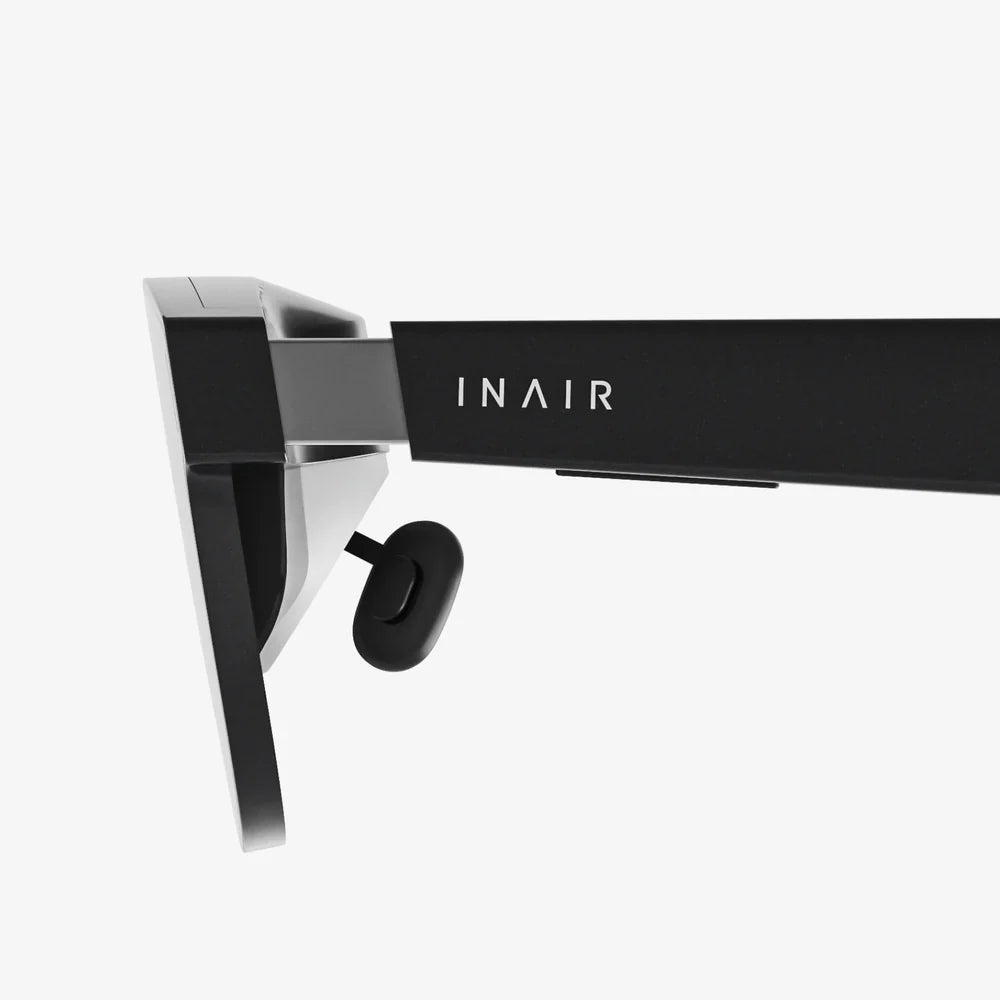
Stepping into virtual reality is one of the most thrilling technological leaps you can make, but the path is fraught with a critical question: which gateway to these digital worlds is right for you? The landscape of PC VR headsets is more diverse and capable than ever, offering everything from breathtaking visual fidelity for the hardcore enthusiast to streamlined simplicity for the eager newcomer. This isn't just about picking a device; it's about choosing your window to new realities, your tool for creation, and your controller in epic adventures. Navigating the intricate specs and competing features requires a clear-eyed analysis, moving beyond marketing hype to understand what truly matters for your personal experience. Let's demystify the process together and find the headset that will transform your PC into a portal to the extraordinary.
The Pillars of PC VR: What Truly Matters
Before diving into the nuances of individual categories, it's essential to establish the core pillars that define any PC VR experience. These are the fundamental aspects that separate a good headset from a great one and will form the basis of our comparison.
Visual Fidelity: The Window to Your Soul
When you strap on a headset, your entire reality is dictated by two screens mere centimeters from your eyes. The quality of this visual experience is paramount.
Resolution and Pixel Density
Often the most advertised spec, resolution determines the sharpness of the image. A higher resolution means less "screen door effect" (the visible grid between pixels) and clearer text and distant objects. However, raw megapixels aren't everything. Pixel density, or pixels-per-degree (PPD), is a more accurate measure of perceived sharpness, as it accounts for the lens field of view.
Display Technology: LCD vs. OLED
This is a classic trade-off. OLED panels deliver perfect, inky blacks and incredibly vibrant colors, which is crucial for achieving a true sense of depth and immersion, especially in dark space or horror scenarios. Their drawback has traditionally been a lower sub-pixel density, which can cause a slight "mura" or haze effect. LCDs, now more common, offer higher resolutions and a sharper image with less ghosting, but they use a backlight that can make blacks appear more like a dark grey, a phenomenon known as "blooming." Newer mini-LED backlights are helping to close this gap.
Refresh Rate: The Smooth Operator
Measured in Hertz (Hz), the refresh rate is how many times the image on the screen updates per second. A higher refresh rate (90Hz, 120Hz, and even 144Hz) results in dramatically smoother motion, which reduces perceived latency and is critical for preventing simulation sickness for many users. It also makes fast-paced action and racing games feel more responsive and real. The catch? Driving a high-resolution display at a high refresh rate requires immense graphical horsepower from your PC.
Tracking: The Art of Presence
For your brain to be convinced your virtual hands are your own, the tracking must be flawless, instantaneous, and precise. There are two primary methodologies.
Outside-In Tracking
This traditional method uses external sensors or base stations placed around your play area. These devices constantly beam signals to the headset and controllers, triangulating their exact position in 3D space. The advantage is often millimetre-perfect accuracy and stability, especially with multi-sensor setups, making it the gold standard for professional applications and competitive players. The disadvantage is the need to mount hardware in your room, which adds to setup complexity and cost.
Inside-Out Tracking
A more modern approach, inside-out tracking uses cameras embedded on the headset itself to observe the environment and track the controllers' positions relative to it. This eliminates the need for external sensors, making setup a breeze and highly portable. Early implementations had issues with tracking controllers when they were outside the field of view of the headset's cameras (e.g., behind your back). However, modern inside-out tracking is exceptionally robust, and for the vast majority of users, it is more than accurate enough while offering unparalleled convenience.
Comfort and Ergonomics: The Forgotten Frontier
You can have the best specs in the world, but if the headset is a pain to wear, you'll never use it. Comfort is a spec.
Weight Distribution
Is the weight front-heavy? A well-designed headset uses a counter-balancing strap system, often with a battery in the back, to distribute weight evenly across your head, not crush your cheeks.
Facial Interface and Materials
The foam or silicone that rests on your face is crucial. Is it breathable? Is it easy to clean? Does it accommodate glasses? Premium materials and magnetic, replaceable interfaces are a sign of a headset designed for long-term use.
IPD Adjustment
Interpupillary Distance (IPD) is the distance between your pupils. Headsets offer either software-based IPD adjustment (which simply shifts the image) or physical IPD adjustment (which mechanically moves the lenses themselves). Physical adjustment is vastly superior as it maintains the optical clarity and sweet spot for a wider range of users, reducing eye strain and headaches.
Diving into the PC VR Ecosystem
With the core pillars established, we can now explore the different tiers and philosophies of headsets available, each catering to a specific user profile and budget.
The High-End Fidelity Kings
This category is for those who accept no compromises. The primary goal here is to achieve the absolute highest visual clarity, field of view, and tracking precision, with cost and convenience being secondary concerns.
Headsets in this class typically feature:
- Very high-resolution, dual-display panels.
- Extremely wide fields of view, often 120 degrees or more.
- Advanced lens technology (e.g., aspherical, Fresnel) to minimize god rays and distortion.
- Mandatory external base station tracking for ultimate accuracy.
- High-quality built-in audio solutions, often off-ear for comfort and spatial awareness.
- A premium price tag that reflects the cutting-edge technology.
These are the tools of VR professionals, hardcore flight and racing sim enthusiasts, and gamers who demand the very best. They require a top-tier gaming PC with a powerful graphics card to run effectively.
The All-Rounder Champions
This is the most competitive and popular category, representing the best balance of performance, convenience, and value. The philosophy here is "great at everything, master of none."
Key characteristics include:
- High-resolution LCD displays that provide a sharp, clear image.
- Excellent inside-out tracking that requires no external hardware.
- A strong focus on ergonomics and user-friendly design.
- Integrated audio microphones for social VR.
- Direct support from major software platforms, ensuring a vast library of compatible content.
These headsets are the default recommendation for most new PC VR users. They offer a fantastic "it just works" experience without the fuss of external sensors, while still delivering visuals and performance that will wow anyone. They are versatile, functioning as both a standalone device and a PC VR headset for many users, though our focus remains on their PC-powered capabilities.
The Value Proposition Contenders
This tier is defined by accessibility. Whether through aggressive pricing or repurposing older, high-end technology, these headsets aim to lower the barrier to entry for high-quality PC VR.
You can expect:
- Last-generation resolution and display tech that remains highly capable.
- A mix of inside-out and outside-in tracking solutions, sometimes with slightly pared-down controllers.
- A more utilitarian approach to comfort and materials to hit a price point.
- Potential need for third-party accessories (like upgraded face gaskets or audio solutions) for a premium experience.
Headsets here are perfect for those with a mid-range PC, newcomers who want to dip their toes in without a massive investment, or as a dedicated device for a specific use case like simulation racing or flying. The value here is incredible, often providing 90% of the experience for a fraction of the cost.
Beyond the Hardware: The Intangible Factors
The headset itself is only half the story. The ecosystem surrounding it is just as critical to your long-term satisfaction.
The Software Platform
Your headset is a door, but the software platform is the key that unlocks it. The dominant PC VR platform is a massive, feature-rich storefront and social ecosystem. Its strength is its enormous library of games, its robust friend and party system, and its deep integration with PC gaming. Some headsets have native, day-one support for this platform, while others may require third-party software or community-developed drivers to function, which can add a layer of complexity and potential jank.
Controller Design and Ergonomics
The controllers are your hands in VR. Their design profoundly impacts immersion. Consider the grip: is it natural? Do the buttons and triggers feel good? Is haptic feedback nuanced or just a simple buzz? Some controllers use capacitive touch to detect individual finger placement, enabling natural gestures, while others use simple buttons. The best controllers disappear in your hands, making you forget you're holding anything at all.
Content Library and Exclusives
While the PC VR landscape is largely open, some headsets may have certain timed exclusives or tailored experiences that leverage their unique features, like eye-tracking or specific controller shapes. It's worth checking if your most-anticipated games are optimized for your headset of choice.
Future-Proofing and Upgradability
VR is evolving rapidly. Some headsets are closed systems, while others embrace modularity. Are there optional add-ons like eye-tracking modules, which can enable foveated rendering for a massive performance boost? Is the strap system upgradable? Can you easily replace the controllers with a different style, like dedicated racing wheel grips or professional trackers? A headset that can adapt to new technologies extends its useful life.
Making Your Choice: Aligning Dreams with Reality
Now that we've dissected every component, how do you decide? It comes down to honest self-assessment.
First, be realistic about your PC's power. Check the recommended specifications for the headsets you're considering. There's no point in buying a 4K headset if your graphics card can only drive it at a low resolution and refresh rate, negating the very benefit you paid for.
Second, define your primary use case. Are you a simmer who will be seated 99% of the time? Then wide field of view and external tracking might be worth the setup hassle. Are you a social VR user who wants to hop into chat rooms and play active games? Then flawless inside-out tracking and a comfortable, lightweight design are paramount. Are you a creative professional? Color accuracy and resolution might be your top priority.
Third, don't underestimate comfort. If you can, try before you buy. A headset that feels fine for a ten-minute demo might become unbearable during a three-hour gaming session. Read reviews that specifically address long-term comfort.
Finally, consider the total cost of ownership. The headset's price is just the start. Does it require expensive base stations? Will you need to buy a better strap or audio solution? Factor these into your budget.
The perfect PC VR headset doesn't exist; there is only the perfect headset for you. It's a deeply personal choice that balances raw technical prowess with practical everyday usability. By prioritizing the features that align with your virtual aspirations and the realities of your setup, you can cut through the noise and find your ideal companion for the adventures that lie ahead. The digital frontier is waiting, and the right tool will make it feel like home.
Your journey into virtual realms shouldn't begin with confusion or compromise, but with the confident selection of a device that feels like a natural extension of your curiosity and ambition. This detailed breakdown arms you with the knowledge to see past the specifications sheet and understand the real-world experience each headset delivers. Whether you prioritize the crystal-clear clarity of a high-end display, the effortless setup of inside-out tracking, or the all-day comfort of a well-designed strap, your ideal PC VR partner is out there. The next generation of immersive computing is already here, and with the right headset, you're not just buying a piece of hardware—you're unlocking a new dimension of play, creation, and connection. Ready to take the plunge?
Share:
AI VR Headset: The Dawn of a New Reality and the Silent Intelligence Revolutionizing Everything
What to Look for in a VR Headset for PC? The Ultimate Buyer's Guide