


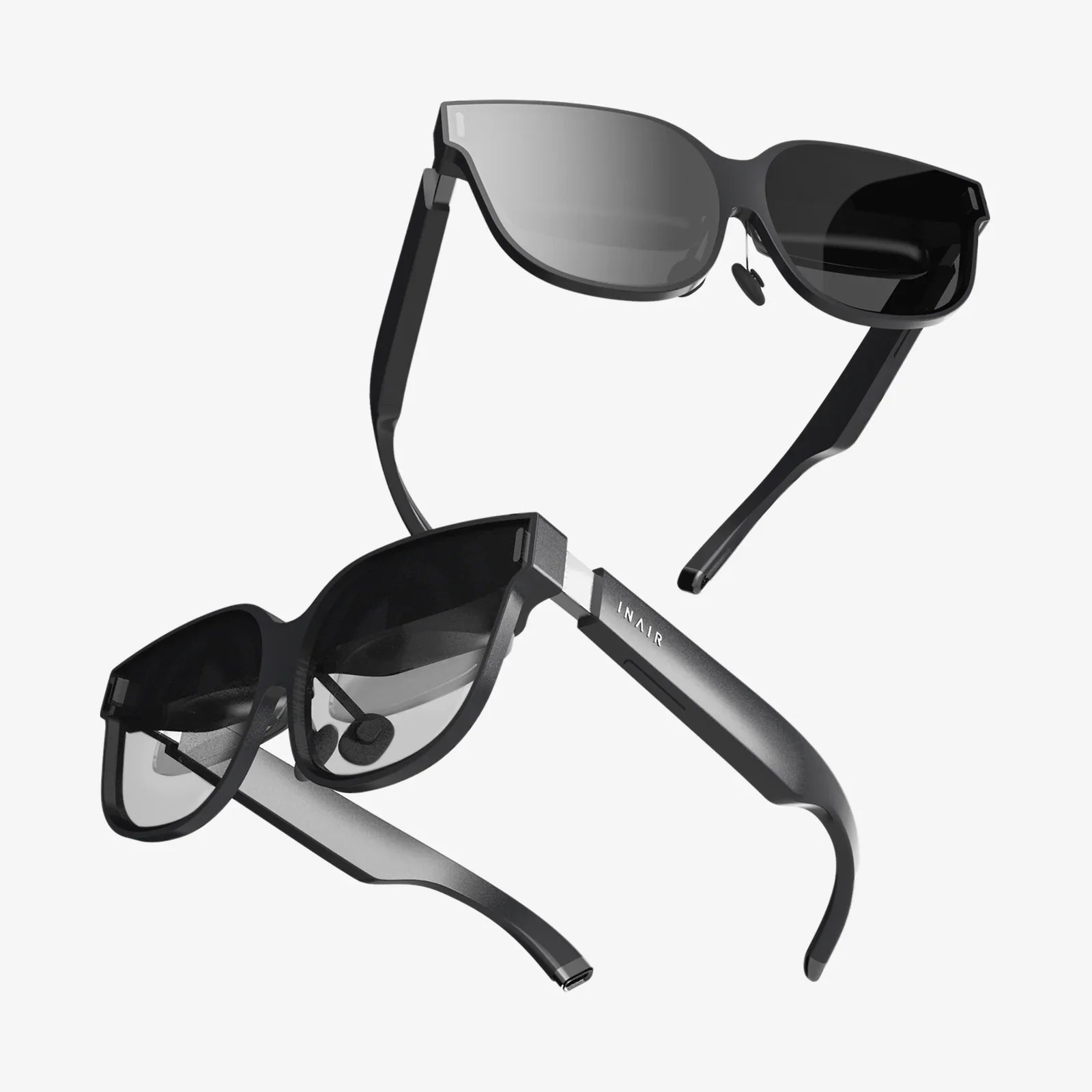
The virtual reality landscape is shifting beneath our feet, and for enthusiasts tethered to the raw power of a desktop computer, the news has never been more thrilling. Forget the grainy screens and cumbersome cables of yesteryear; a new generation of PC VR headsets is emerging, promising not just incremental upgrades but a fundamental leap in fidelity, comfort, and functionality. This isn't just about better games—though that's a huge part of it—it's about redefining what's possible when cutting-edge displays, intuitive tracking, and immense computational power collide. The next chapter of high-end virtual reality is being written now, and it’s a story of breathtaking resolution, seamless wireless experiences, and technology that finally feels like it's leaping from science fiction into a tangible, awe-inspiring reality.
The Resolution Revolution: Seeing is Believing
For years, the defining limitation of even the best PC VR headsets was the "screen door effect"—that faint grid of lines separating pixels that constantly reminded users they were looking at a screen. The latest wave of news from manufacturers focuses squarely on obliterating this barrier forever.
The new benchmark for high-end PC VR is nothing short of stunning. We're seeing a rapid move towards dual 4K displays and beyond, packed into a single headset. This translates to per-eye resolutions that were unimaginable just a few years ago, creating visuals so crisp and detailed that the virtual world feels genuinely present. The pixels themselves are becoming so densely packed that the screen door effect is effectively eliminated, replaced by a seamless, continuous image.
This isn't just about raw pixel count. Advancements in display panel technology, particularly the adoption of fast-switching LCDs and, increasingly, vibrant OLEDs, are delivering richer colors, deeper blacks, and superior contrast ratios. Furthermore, the implementation of advanced lens systems, including aspherical and pancake lenses, is creating a much larger "sweet spot"—the area where the image is perfectly in focus. This reduces the need for constant adjustment and makes the experience more comfortable and visually consistent for a wider range of users.
Cutting the Cord: The Wireless Future is Now
Perhaps the most liberating news in the PC VR space is the maturation of high-fidelity wireless technology. The tether to a PC has long been the most significant immersion-breaker, a literal anchor preventing true freedom of movement. Early wireless solutions often came with a painful trade-off: latency, compression, and a noticeable drop in visual quality.
Today, that compromise is rapidly fading. Newer dedicated wireless protocols are achieving near-zero latency and minimal visual compression, streaming the immense data from a high-end graphics card to the headset with astonishing efficiency. These systems often operate on uncrowded frequency bands, ensuring a stable, high-bandwidth connection that can handle the multi-gigabit data rates required for these new high-resolution displays.
The result is a paradigm shift. Users can now spin, duck, and move freely without a second thought, fully engaged in the virtual world. This is a game-changer not only for room-scale gaming but also for professional applications like virtual design review or architectural walkthroughs, where moving around a virtual space without tripping over a cable is invaluable. The era of being tethered is giving way to the era of true untethered freedom, all without sacrificing the visual fidelity that PC VR is renowned for.
Beyond Gaming: The Enterprise and Productivity Push
While gaming remains the primary driver of consumer VR, significant news in the PC VR headset market revolves around its burgeoning role in enterprise and productivity. Manufacturers are keenly aware that for their high-end devices to thrive, they must offer value beyond entertainment.
This has led to a focus on features tailored for professional use. High-resolution passthrough cameras are no longer just a safety feature; they are becoming the foundation for Mixed Reality (MR) experiences. Architects can design virtual buildings and then see their physical office overlaid with the digital model. Engineers can pull up a 3D schematic of a complex machine and have it appear anchored to their real-world workbench, using their actual hands to manipulate the digital parts.
This blurring of lines between the virtual and the real is powered by sophisticated inside-out tracking systems. These systems, which use onboard cameras to map the environment and track the controllers without external base stations, have become incredibly precise and reliable. This eliminates the setup complexity of external sensors, making high-end VR more accessible for office environments and allowing for quick reconfiguration of play spaces.
The Software Ecosystem: Powering the Hardware Leap
A powerful headset is nothing without compelling software to run on it. The news on this front is equally exciting, as the software ecosystem is evolving to match the capabilities of the new hardware. Game developers are beginning to leverage the immense power of modern GPUs to create experiences that truly justify the investment in a high-end headset.
We're seeing the rise of VR-native titles built from the ground up to be visually spectacular and deeply immersive, rather than ports of flat-screen games. These titles are designed to take full advantage of features like eye-tracking for foveated rendering, which dramatically boosts performance by rendering only the area the user is directly looking at in full detail.
Furthermore, major game engines are continuously improving their VR support, making it easier for developers to create high-quality VR content. This, combined with the growing popularity of VR mods for existing popular flat-screen games, means the library of experiences that can push a PC VR headset to its limits is larger and more diverse than ever before.
The Competitive Landscape: A Rising Tide Lifts All Boats
The PC VR headset news cycle is currently dominated by the entrance of a major new player and the fierce response from established competitors. This heightened competition is fantastic news for consumers, as it accelerates innovation and pushes all companies to deliver better features at more competitive prices.
This new dynamic is forcing a reevaluation of what constitutes a "premium" PC VR experience. Features that were once considered cutting-edge, like basic inside-out tracking or moderate-resolution displays, are quickly becoming standard. The battle is now being fought on new fronts: who can offer the best visual clarity, the most comfortable and ergonomic design, the most seamless wireless solution, and the most intuitive user interface.
This competitive fervor ensures that the pace of innovation will not slow down. Consumers can expect a rapid iteration of headsets, each bringing meaningful improvements and pushing the entire industry forward towards a future of truly seamless and photorealistic virtual experiences.
Gazing into the Crystal Ball: What's Next for PC VR?
Based on the current trajectory of news and technological trends, the future of PC VR headsets looks brighter than ever. We can anticipate several key developments on the horizon. Micro-OLED displays will likely become the new gold standard, offering even higher resolutions, perfect blacks, and incredibly fast response times in a more compact form factor. This will pave the way for significantly smaller and lighter headset designs.
We will also see the wider adoption of varifocal lenses, a technology that dynamically adjusts the focus of the lenses based on where the user is looking. This solves a major issue in current VR known as the vergence-accommodation conflict, which can cause eye strain and is a key reason why prolonged VR sessions can feel uncomfortable for some. By mimicking the natural behavior of the human eye, varifocal lenses could make VR feel more natural and comfortable for hours on end.
Finally, the integration of more sophisticated haptic feedback systems, both in controllers and potentially in the headsets themselves, will add a crucial layer of tactile immersion, making virtual objects feel more real and interactions more meaningful.
From the promise of crystal-clear visuals that erase the line between digital and real, to the liberation of flawless wireless play and serious professional applications, the narrative surrounding PC VR is being completely rewritten. The technology has moved past its awkward adolescence and is stepping confidently into a mature and incredibly exciting future. The best part? This revolution is happening in real-time, with every product announcement and software update adding another piece to the puzzle. The door to the metaverse is opening wider than ever, and it’s being powered by the relentless innovation of the modern PC VR headset.
Share:
Must Have Smart Devices for a Seamless, Efficient, and Secure Modern Home
Buy AR: The Ultimate Guide to Navigating the Augmented Reality Marketplace