


Imagine a world where your entire office, your creative studio, your gateway to global connection, and your entertainment center folds neatly into a bag and weighs less than a few pounds. This isn't a scene from science fiction; it's our reality, powered by the relentless evolution of the portable computer. This device has done more than just change our gadgets; it has rewired the very fabric of society, untethering us from desks and democratizing access to information on a scale never before imagined. The journey from clunky, limited machines to the powerful, intuitive companions we have today is a story of audacious engineering, visionary thinking, and a fundamental shift in the human relationship with technology.
The Dawn of Mobility: From “Luggables” to the Laptop Form Factor
The dream of a computer you could take with you is almost as old as the computer itself. The first so-called portable computers, emerging in the late 1970s and early 1980s, were comically misnamed by today's standards. These machines, often called "luggables," were essentially crammed desktop components, including tiny CRT monitors, into bulky, suitcase-sized enclosures that might weigh over 20 pounds. They were portable only in the sense that they had a handle; they were hardly convenient.
The true genesis of the modern form factor began with the clamshell design, featuring a hinged screen that closed over the keyboard. This design provided crucial protection for the screen and keyboard during transit and allowed for a more compact footprint. The early 1980s saw the release of several pioneering models that embraced this design, establishing the blueprint that would dominate for decades. These early machines were prohibitively expensive, possessed limited processing power by modern standards, and often featured monochrome LCD screens that were difficult to read. Yet, they represented a monumental leap forward. They were genuine computers that could be used on an airplane tray table, in a hotel room, or in a client's office, freeing the user from the static confines of the traditional desk.
The March Towards Mainstream: Power, Windows, and the Internet
The widespread adoption of portable computers was not driven by hardware alone. It was the confluence of several key technological and software advancements that propelled them into the mainstream. The development of more efficient microprocessors was paramount. As chips became more powerful yet generated less heat, engineers could pack more performance into smaller, cooler-running chassis. This was complemented by the revolution in battery technology, moving from heavy, inefficient nickel-cadmium (NiCad) to more reliable nickel-metal hydride (NiMH) and eventually to the lithium-ion (Li-ion) batteries that power virtually all our devices today. Li-ion batteries offered a superior energy density, meaning longer runtimes for a significantly lighter weight.
Equally important was the software revolution. The graphical user interface (GUI), popularized by early systems and later standardized by the widespread adoption of a particular operating system, made computers more accessible to the general public. This was a perfect match for the portable computer. The point-and-click interface was more intuitive than command-line prompts, making mobile computing less daunting. The 1990s became the decade the portable computer came of age. They became lighter, their screens transitioned to color and grew larger and sharper, and their prices began to fall within reach of a growing professional class.
The single greatest accelerant, however, was the commercialization of the internet. The portable computer became the ultimate internet terminal. The desire to be connected—to email, to early web pages, to nascent online communities—created a powerful new reason to own a mobile machine. This drove further innovation in integrated networking hardware, first with dial-up modems and later with Wi-Fi capabilities. The ability to access a world of information from anywhere with a connection transformed the portable computer from a luxury for business executives into an essential tool for students, homemakers, and professionals of all kinds.
The Ecosystem Expands: Specialization and the Rise of New Categories
As the core laptop form factor matured, the concept of portability itself began to fragment and specialize. The market saw the emergence of distinct sub-categories, each optimized for a different priority:
The Netbook
A brief but impactful trend, netbooks were ultra-compact, ultra-lightweight, and ultra-low-cost machines designed primarily for web browsing and basic tasks. They responded to a demand for maximum portability and affordability, though they often sacrificed performance and screen quality. Their popularity waned as full-sized laptops became cheaper and more powerful, and as a new category emerged: the tablet.
The Convertible and Detachable
Seeking to combine the best of both worlds, this category introduced incredible flexibility. Often featuring 360-degree hinges or detachable keyboards, these devices could function as a traditional laptop or, with the keyboard folded back or removed, as a touchscreen tablet. This versatility made them ideal for content consumption (reading, watching videos) as well as content creation, especially when paired with a digital stylus for drawing and note-taking.
The Ultraportable and the Gaming Powerhouse
The market also bifurcated at the extremes. On one end, the ultraportable prioritized thinness, lightness, and battery life above all else, often leveraging new solid-state drive (SSD) technology for faster boot times and better durability than traditional hard drives. On the opposite end, dedicated gaming portable computers emerged as desktop replacements. These machines packed high-performance components, dedicated advanced graphics cards, and high-refresh-rate displays into thick, well-cooled chassis, proving that portability did not have to mean a compromise on raw power for enthusiasts.
The Pillars of Modern Portability: Key Technologies That Made It Possible
The sleek device we take for granted today is a marvel of integration, built on several foundational technologies:
- Solid-State Drives (SSDs): Perhaps the single most significant hardware advancement for the user experience in the last decade. By replacing spinning platter hard drives with lightning-fast flash memory, SSDs drastically reduced boot times, accelerated application loading, and improved overall system responsiveness. Crucially, they are also more shock-resistant and energy-efficient, making them ideal for mobile use.
- Unibody Construction and Advanced Materials: The shift from plastic chassis to milled aluminum and magnesium alloys allowed manufacturers to create devices that were both incredibly thin and remarkably rigid and durable. This premium build quality enhanced the perceived value and longevity of the machines.
- High-Density Batteries and Power Management: Continuous improvements in battery chemistry and energy density, coupled with incredibly power-efficient processors and intelligent software-based power management, have pushed battery life from mere hours to a full day or more of use on a single charge for many models.
- Universal Connectivity (USB-C and Thunderbolt): The adoption of the versatile USB-C port, often with Thunderbolt capabilities, has streamlined connectivity. A single port can now handle data transfer, video output, and power delivery, reducing clutter and enabling sleek designs while maintaining expandability through docks and hubs.
The Societal Impact: Reshaping How We Live and Work
The proliferation of the portable computer has triggered a seismic shift across countless facets of modern life. It was the essential enabler of the remote work and telecommuting revolution, a trend that accelerated exponentially during global events that required physical distancing. The concept of the "digital nomad"—an individual who uses technology to work remotely and live a traveling lifestyle—is entirely predicated on the existence of powerful, connected portable computers.
In education, they have transformed classrooms and libraries, giving students immediate access to vast repositories of knowledge and collaborative tools. In healthcare, portable computers on carts allow for real-time updating of patient records at the bedside. They have democratized content creation, allowing filmmakers, musicians, and writers to produce professional-grade work from anywhere in the world. Furthermore, they have narrowed the digital divide by providing access to computing power and the internet in remote and underserved communities, though this remains an ongoing challenge.
Gazing into the Crystal Ball: The Future of Portable Computing
The evolution of the portable computer is far from over. The next decade promises even more profound changes, blurring the lines between device categories and reality itself. We are already seeing the rise of always-connected devices with integrated cellular modems, offering true anywhere-computing without the need to hunt for Wi-Fi. Foldable and rollable display technology is in its infancy, poised to redefine the form factor once again, allowing screen size to expand or contract based on need.
Artificial intelligence is set to become the next great paradigm shift. Future portable computers will feature dedicated AI accelerators that handle machine learning tasks directly on the device. This will enable vastly improved voice assistants, real-time language translation, advanced video conferencing features that automatically frame and enhance the user, and predictive workflows that anticipate user needs. This shift towards ambient computing will make the device less of a tool we actively operate and more of an intelligent partner that works seamlessly in the background.
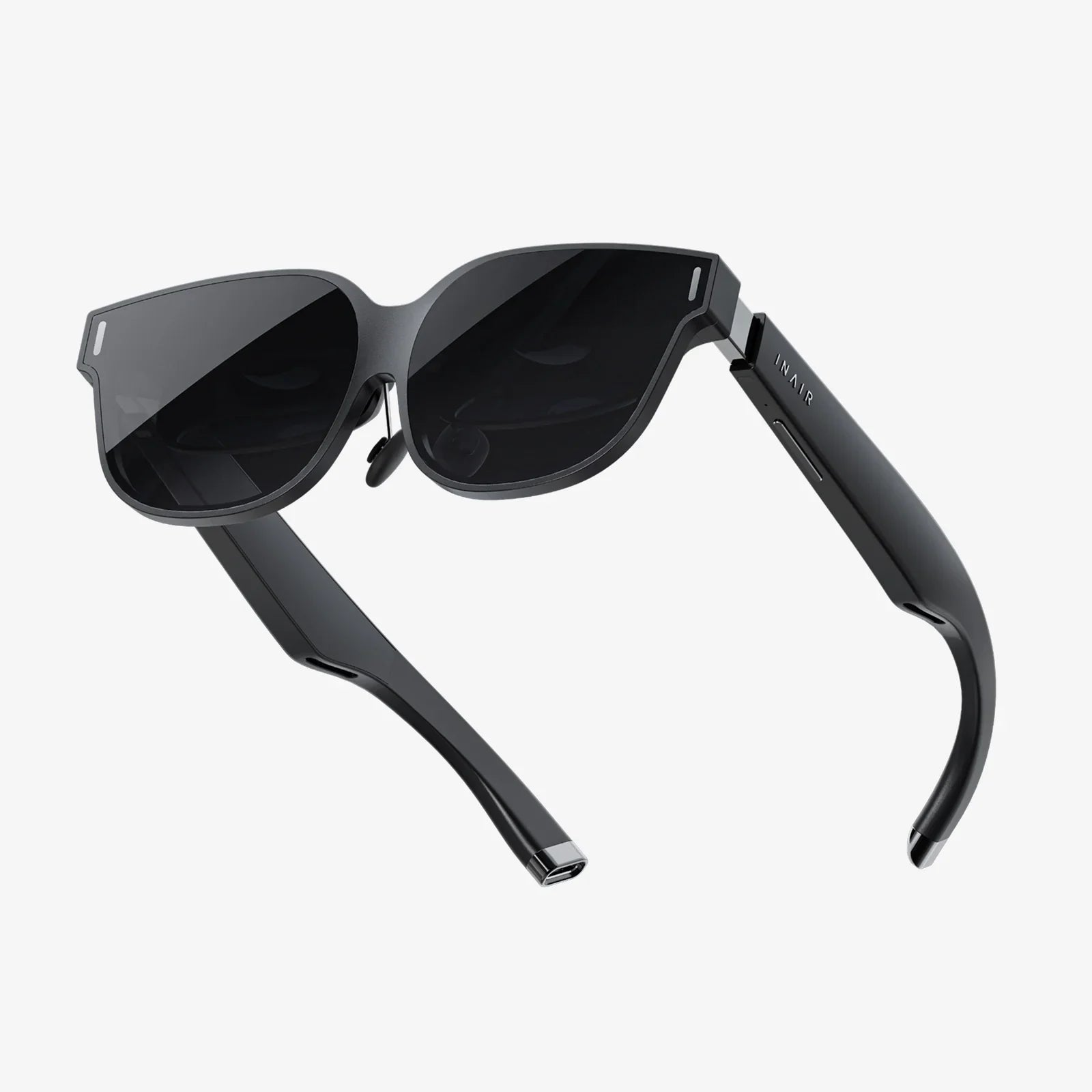
Furthermore, the convergence with augmented reality (AR) and virtual reality (VR) is inevitable. The portable computer will likely act as the processing hub for lightweight AR glasses, overlaying digital information onto our physical world and creating a ubiquitous computing environment that is truly spatial and context-aware.
The humble portable computer has traveled a path from niche curiosity to central nervous system of the modern world. It has empowered individuals, transformed industries, and reshaped the geography of work and play. As we stand on the cusp of a new era defined by AI, seamless connectivity, and new form factors, one thing is certain: the desire to take our digital lives with us is insatiable. The future will be built not in a static server farm, but in the dynamic, ever-changing space between our hands and the world around us, all powered by the relentless innovation of the device in your bag.
Share:
Brands Using Virtual Reality: The New Frontier in Immersive Customer Engagement
Upcoming Virtual Reality Technology: The Next Decade of Immersive Digital Experiences