


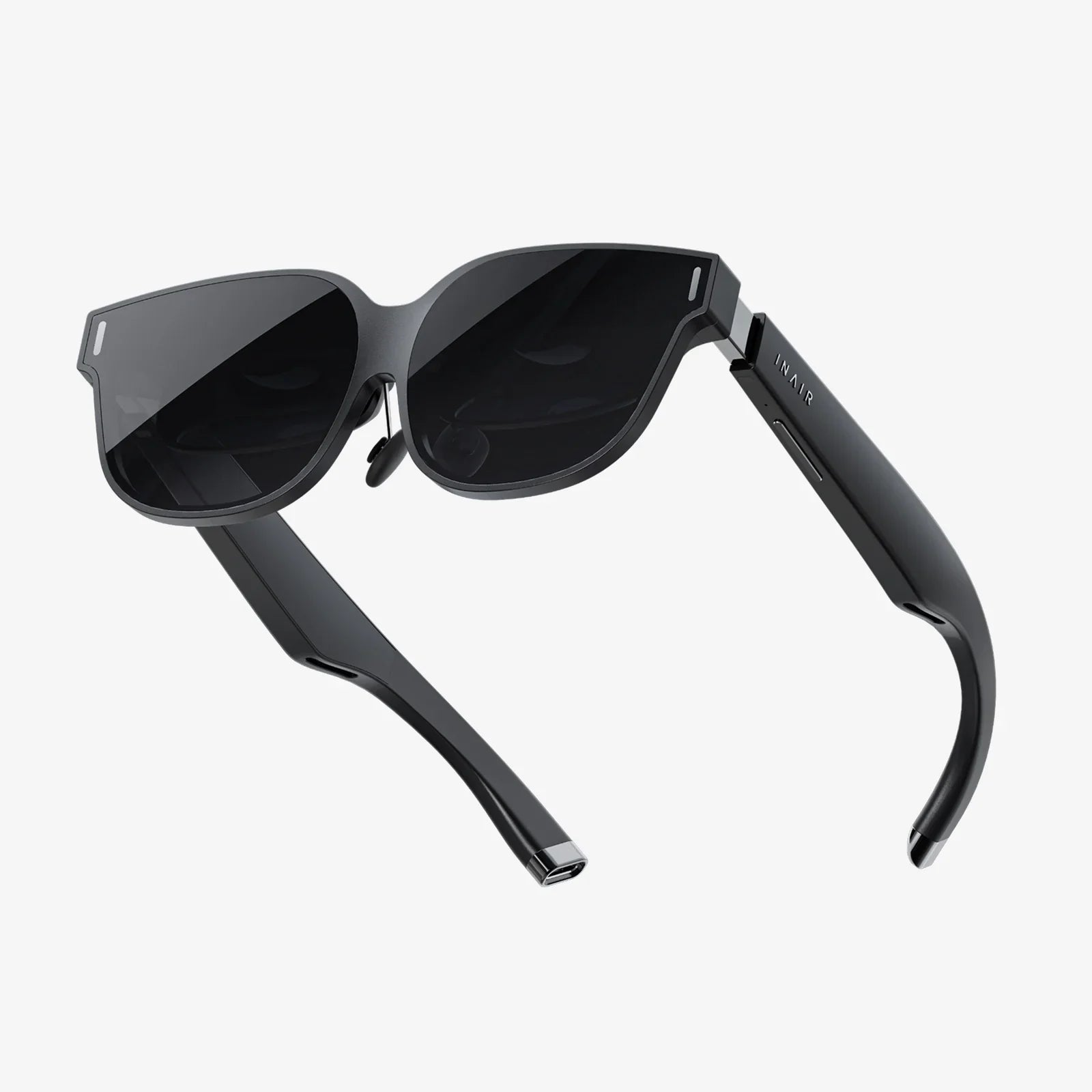
Imagine stepping into a new car from the comfort of your living room, feeling the supple interior, examining every curve of the dashboard, and even taking it for a virtual test drive along a scenic coastal highway. Picture yourself walking through a meticulously designed dream home that hasn't even been built yet, or front row at a exclusive fashion show happening on another continent. This is no longer the stuff of science fiction; it is the powerful, emotive, and transformative reality that forward-thinking brands are building today. The era of passive consumerism is over, and a new age of immersive experience is dawning, all powered by the incredible potential of virtual reality.
The Strategic Shift from Storytelling to Story-Living
For decades, the pinnacle of marketing success was effective storytelling. Brands crafted narratives through commercials, print ads, and content marketing, hoping to connect with their audience on an emotional level. Virtual reality represents a fundamental paradigm shift: it's not about telling a story, but about allowing the consumer to live it. This shift from storytelling to "story-living" is the core driver behind the adoption of VR technology. It’s an experiential medium that engages not just one or two senses, but creates a profound psychological state of presence—the undeniable feeling of being somewhere else.
This sense of presence is VR's secret weapon. Neurological studies have shown that immersive VR experiences can trigger emotional and physiological responses similar to those experienced in real-world scenarios. The brain, to a significant degree, accepts the virtual environment as real. For a brand, this means the difference between a consumer watching a compelling advertisement about sustainability and one who literally stands in a virtual forest, witnessing the impact of deforestation and feeling a personal, visceral connection to the cause a brand supports. The memory formed is not of an ad they saw, but of an experience they had.
Revolutionizing the Retail and Shopping Experience
Perhaps the most immediate and impactful application of VR for brands is in the realm of retail and e-commerce. The digital shopping experience, while convenient, has always lacked the critical ability to try, feel, and experience a product. Virtual reality is systematically dismantling this barrier.
Virtual Try-On and Product Customization
Apparel and accessories brands are deploying VR and its sibling, augmented reality (AR), to allow customers to "try on" clothing, glasses, makeup, and watches from their smartphones or VR headsets. This goes beyond a simple overlay; advanced systems can simulate how fabrics drape and move, providing a surprisingly accurate representation of fit and style. Furthermore, automotive and furniture brands are empowering customers to step inside a fully customizable virtual showroom. Customers can change interior finishes, switch materials on upholstery, and experiment with colors and features in real-time, making them active participants in the design of their future product and drastically reducing the uncertainty of a major purchase.
The Demise of the Physical Showroom Limit
Physical retail space is expensive and limited. A car dealership can only stock so many models and configurations. A furniture store can only display a fraction of its catalog. VR creates an infinite aisle and an endless showroom. A single location can, through the use of VR kiosks or headsets, give customers access to every possible option, color, variant, and special edition. This not only optimizes floor space but also ensures the customer never has to settle for "what's in stock," dramatically elevating customer satisfaction and reducing lost sales.
Building Empathy and Authenticity Through Immersive Narratives
Beyond moving product, the most sophisticated brands using virtual reality understand its power as an empathy machine. They are crafting experiences that align with their core values and mission statements in a way that is undeniably authentic.
Consider a non-profit organization focused on refugee crises. A traditional campaign might use heartbreaking imagery and statistics. A VR campaign, however, can transport a donor directly into a refugee camp, allowing them to look around, make eye contact with virtual inhabitants, and understand the scale and humanity of the situation in a way a leaflet never could. The result is a deeper emotional investment and a significantly higher propensity to donate and engage.
Similarly, food and beverage brands are using VR to tell transparent stories about sourcing and sustainability. A customer can take a virtual tour of the coffee farm where their beans are grown, meet the farmers, and understand the fair-trade practices firsthand. This level of transparency builds immense trust and brand loyalty, transforming a simple commodity into a product with a meaningful story that the consumer feels a part of.
The New Frontier of Events and Brand Activations
The global events industry was brought to a standstill, which acted as a massive accelerator for virtual solutions. Brands quickly pivoted, realizing that VR could offer more than just a video stream of a product launch or a concert; it could offer a ticket to an exclusive virtual venue.
These virtual events range from interactive press conferences where journalists can examine 3D models of new products from every angle to fully realized virtual music festivals sponsored by brands, complete with custom-branded environments, interactive booths, and social VR spaces where attendees can network and chat as avatars. This not only expands the global reach of an event exponentially—eliminating travel costs and capacity constraints—but also generates valuable data on user engagement and interaction within the virtual space.
Internal Operations and Prototyping: The Unseen Advantage
While customer-facing applications are flashy, some of the most significant ROI from VR is happening behind the scenes. Brands are using virtual reality for internal training, collaboration, and design prototyping.
Complex manufacturing and retail brands are creating hyper-realistic virtual training simulations for employees. A new technician can learn to repair intricate machinery in a risk-free virtual environment, making mistakes without costly consequences. Global design teams can collaborate in real-time within a shared virtual model of a new product or store layout, making decisions based on a true-to-life scale and perspective that a 2D screen cannot provide. This streamlines workflows, reduces prototyping costs, and accelerates time-to-market.
Navigating the Challenges and Looking to the Future
The path for brands using virtual reality is not without its obstacles. The cost of developing high-quality, truly immersive content can be significant. There is also the challenge of accessibility, as headset ownership, while growing, is not yet ubiquitous. Furthermore, brands must be careful to create experiences that are intuitive and add genuine value; a poorly executed or gimmicky VR experience can do more harm than good, feeling more like a tech demo than a meaningful brand interaction.
However, the trajectory is clear. As the technology becomes more affordable, powerful, and widespread, these barriers will diminish. The emergence of more advanced standalone headsets and the eventual development of true AR glasses will blur the lines between the digital and physical worlds entirely. Brand experiences will become contextual layers of information and interaction overlaid onto our everyday reality.
The brands that are experimenting and investing now are the ones that will define the rules of this new medium. They are learning the language of immersion, the mechanics of presence, and the art of creating value in a virtual space. They understand that in a world saturated with content, the ultimate luxury is experience. And the ultimate experience is one that transports you, moves you, and makes you feel not like a consumer, but like a participant. The virtual door is open, and the most innovative brands are not just stepping through—they're inviting you in to explore the impossible together.
Share:
How Do You Watch Virtual Reality Videos: A Complete Immersive Guide
Portable Computer: The Evolution of Power in Your Pocket and Its Future Trajectory