


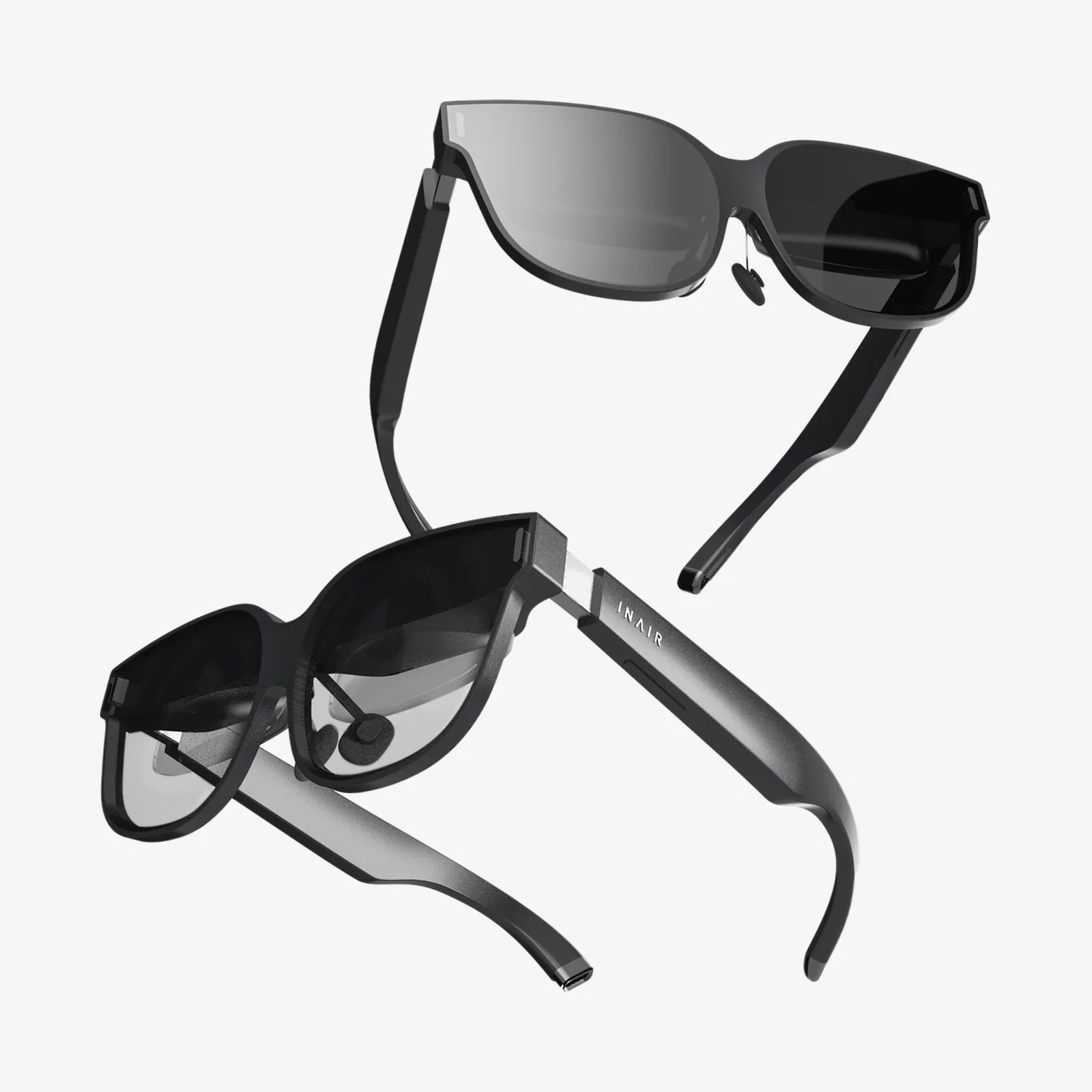
Imagine stepping onto a construction site or into a high-tech laboratory and seeing critical data, schematics, and warnings overlaid directly onto your field of view, all while your eyes are securely protected by certified safety gear. This isn't a glimpse into a distant future; it's the reality offered by the groundbreaking integration of prescription safety glasses with augmented reality technology. This fusion is not merely an incremental upgrade but a paradigm shift, transforming passive personal protective equipment into an active, intelligent partner in workplace safety, efficiency, and training. For the millions who require vision correction and work in hazardous environments, these devices represent the ultimate convergence of necessity and innovation, offering unparalleled protection while unlocking a new dimension of spatial computing.
The Foundational Need: Uncompromising Eye Protection
Before delving into the augmented layer, it is crucial to understand the non-negotiable foundation of any safety eyewear: certified protection. The primary function of these glasses is to serve as a robust barrier against a myriad of occupational hazards.
Meeting and Exceeding Safety Standards: Genuine prescription safety glasses are manufactured to meet rigorous international standards. These standards dictate requirements for high-impact resistance, optical clarity, and durability. Lenses must withstand the impact of a steel ball dropped from a specified height without cracking, and frames are tested for robustness and stability to ensure they remain intact and on the wearer's face during an incident. The integration of AR technology does not compromise these standards; instead, the electronic components and projection systems are engineered within a housing that itself must pass these stringent tests.
Common Workplace Hazards Mitigated:
- Impact Protection: Shielding eyes from flying debris, chips, and particles generated by grinding, drilling, machining, and chipping.
- Optical Radiation Filtering: Protecting against harmful ultraviolet (UV), infrared (IR), and intense blue light emitted during welding, laser work, or from high-temperature processes.
- Chemical Splash Defense: Featuring sealed frames and sometimes integrated side shields to prevent hazardous liquid chemicals from reaching the eyes.
- Dust and Fine Particulate Shielding: Preventing irritating or harmful dust from causing injury or discomfort.
The Augmented Revolution: A Layer of Digital Intelligence
Augmented reality, in this context, refers to the seamless superimposition of digital information—text, graphics, holograms, and alerts—onto the user's real-world view through the safety lenses. Unlike Virtual Reality (VR), which creates a completely immersive digital environment, AR enhances reality by adding a contextual data layer.
Core AR Technologies in Safety Glasses:
- Waveguide Technology: This is the most common method for high-quality AR displays. Tiny, transparent glass or plastic plates within the lens have nanostructures etched onto them. These structures guide light from a micro-projector (often mounted on the temple of the frame) into the user's eye, painting a bright, clear image that appears to float in the space ahead. The rest of the lens remains completely transparent, ensuring an unobstructed view of the real world.
- Micro-Optical Projection Systems: Miniaturized projectors, often using LCoS (Liquid Crystal on Silicon) or MicroLED technology, generate the images. These systems are incredibly small, power-efficient, and capable of producing high-resolution graphics that are visible even in bright ambient light conditions.
- Sensors and Connectivity: The glasses are equipped with a suite of sensors, including inertial measurement units (IMUs) for tracking head position and orientation, cameras for computer vision, and sometimes microphones for voice control. They connect via Wi-Fi or Bluetooth to local networks, devices, or the cloud, enabling real-time data access and communication.
The Power of Integration: Use Cases and Applications
The true value of prescription AR safety glasses is realized in their practical applications across diverse industries. They are moving beyond novelty to become indispensable tools.
Manufacturing and Complex Assembly: On a production line, a technician wearing these glasses can see assembly instructions, torque specifications, and component diagrams overlaid directly on the machinery they are working on. This eliminates constant glances back and forth at paper manuals or stationary monitors, reducing errors, streamlining complex processes, and significantly cutting down training time for new employees. A novice worker can be guided through a intricate procedure step-by-step by a digital expert system, with arrows and indicators pointing to exact connection points.
Field Service and Maintenance: A field engineer servicing a complex piece of equipment, like a wind turbine or an MRI machine, can have schematic diagrams, historical service data, and live sensor readings displayed in their periphery. They can conduct hands-free video calls with remote experts who can literally "see what they see" and annotate their field of view with arrows and notes to guide the repair, drastically reducing downtime and the cost of expert travel.
Construction and Architecture: On a construction site, workers can visualize Building Information Modeling (BIM) data overlaid onto the physical structure. They can see where concealed electrical conduits, plumbing, or reinforcement beams are located before drilling, preventing costly damage and accidents. Project managers can conduct virtual walkthroughs to inspect progress against the digital plan, identifying discrepancies early.
Enhanced Hazard Awareness and Training: This is perhaps the most profound safety application. The glasses can be integrated with site-wide IoT sensor systems. If a sensor detects a toxic gas leak, a heat spike, or a forklift moving quickly in the wearer's vicinity, an urgent visual and audible alert can be projected directly into the user's view, prompting immediate evasive action. For training, new employees can be taken through hazardous scenario simulations in a completely real-world environment, learning how to respond without ever being in actual danger.
Addressing the Prescription Component: Customized Clarity
For the user with vision correction needs, the prescription element is not a feature but a fundamental requirement. The integration of custom prescription lenses with AR technology is a feat of optical engineering.
Lens Integration Methods:
- Custom Insert Lenses: Some designs feature a primary AR lens module that is non-prescription. A custom prescription lens insert is then mounted securely behind the primary lens. This method can be more versatile and easier to update if a prescription changes.
- Fully Integrated Prescription Lenses: In a more advanced and seamless approach, the prescription correction is ground directly into the waveguide lens itself. This creates a single, streamlined lens that offers both vision correction and the AR display, providing a wider field of view for the digital content and a more natural aesthetic.
Considerations for Adoption and Implementation
Adopting this technology requires careful thought beyond the initial excitement.
Ergonomics and Comfort: Early AR headsets were often bulky and cumbersome. Modern prescription AR safety glasses, however, are designed for all-day wear. Manufacturers strive to distribute the weight of the batteries and electronics evenly across the frame, using lightweight yet durable materials like Grilamid and titanium. Comfortable nose pads and adjustable temples are essential, as discomfort will lead to non-compliance, negating all safety benefits.
Battery Life and Power Management: The AR functionality is powered by a battery pack, typically housed in a small module on the temple. Battery life is a critical factor, with most current models offering between 6 to 10 hours of continuous use on a single charge, depending on usage intensity. Enterprises must consider charging solutions, such as docking stations, and may provide spare batteries for shift workers to ensure uninterrupted operation.
Software, Security, and Total Cost of Ownership: The hardware is only one part of the ecosystem. A robust software platform is needed to create, manage, and deploy the digital content ("experiences") to the glasses. This includes development tools, device management consoles, and analytics dashboards. Data security is paramount, especially if the glasses have cameras and microphones. Encryption and strict access controls are mandatory. The total cost includes not just the glasses themselves but also the software licenses, IT support, content development, and ongoing maintenance.
Change Management and User Training: Introducing any new technology, especially one that changes how people perform their tasks, requires effective change management. Workers need proper training not only on how to use the glasses but also on how to interpret the new digital information effectively without becoming distracted. Demonstrating the clear value in making their jobs safer and easier is key to driving adoption.
The Future Horizon: Where the Technology is Headed
The evolution of prescription AR safety glasses is rapid and promises even more transformative capabilities.
Future iterations will feature even more compact and powerful displays with expanded fields of view, making digital content larger and more immersive. Advances in artificial intelligence and machine learning will enable "context-aware" glasses that can understand the task a user is performing and proactively offer the most relevant information, moving from a command-based system to an anticipatory one. Improved battery technology will extend operational time, and 5G connectivity will enable faster, more reliable data streaming and complex cloud processing. We can also expect deeper integration with other wearable Internet of Things (IoT) devices, creating a truly connected and intelligent safety ecosystem for the entire workforce.
This technology is poised to become as standard and essential as the hard hat or the safety harness, fundamentally redefining our relationship with the worksite and the data that empowers us within it.
The convergence of certified protective eyewear, personalized vision correction, and a dynamic augmented interface is no longer a speculative concept—it's a tangible tool reshaping modern industry. For professionals who rely on clear sight for both their safety and their craft, these glasses are more than just equipment; they are a powerful extension of their capabilities, turning every task into an opportunity for enhanced precision, deeper understanding, and ultimately, a safer return home. The future of work is not just about working harder, but working smarter, and it's appearing right before our eyes.
Share:
AR Glasses Module: The Core Component Shaping the Future of Wearable Computing
AI Tools To Record Meetings And Transform Team Productivity