


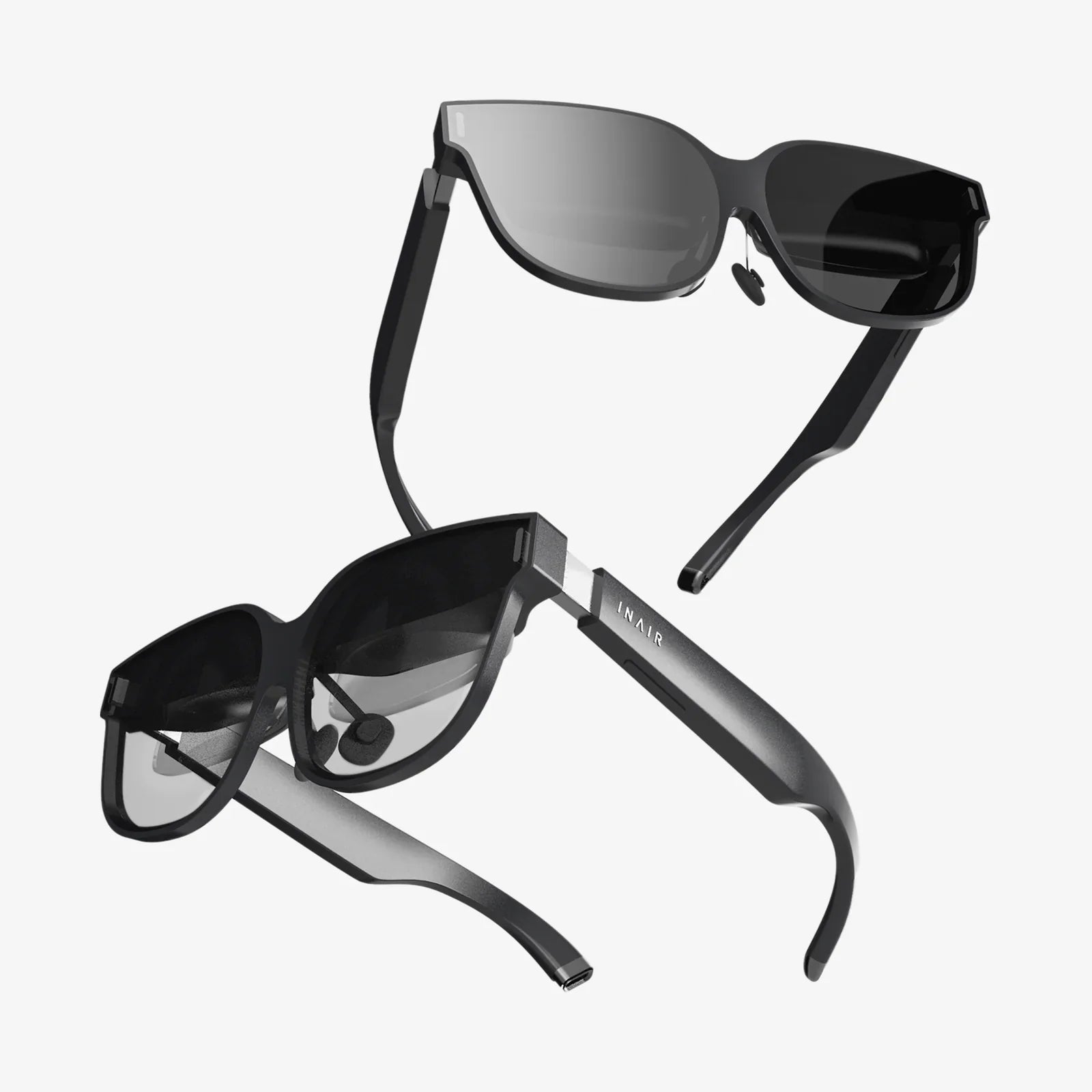
Imagine a world where your most essential accessory—the one that brings your vision into sharp focus—also serves as a personal command center, streaming your favorite podcast directly into your ears, taking calls without a wire in sight, and even translating languages in real-time. This isn't a scene from a sci-fi movie; it's the reality offered by prescription glasses with Bluetooth, a technological marvel that is quietly reshaping our interaction with the digital world. By seamlessly integrating advanced audio technology into the familiar frame of corrective eyewear, these devices are eliminating clutter, enhancing discretion, and offering a newfound freedom that is as liberating as it is innovative. They represent a significant leap towards a more integrated and intuitive human-tech relationship, moving us beyond the need for additional gadgets and towards a future where technology serves us on our own terms.
The Convergence of Necessity and Innovation
For millions, prescription glasses are not an option but a daily necessity. They are a fundamental tool for navigating the world, from reading a street sign to working on a computer. Simultaneously, the proliferation of personal audio devices has become a cornerstone of modern life. We use headphones for entertainment, communication, and concentration. However, this has created a constant cycle of switching between devices: putting on glasses to see, then putting in earbuds to hear, only to take one out to talk to someone, creating a fragmented and often frustrating experience.
Prescription glasses with Bluetooth emerged as an elegant solution to this modern dilemma. The core idea is one of beautiful simplicity: instead of managing two separate devices, why not combine their essential functions into one? This convergence addresses a fundamental need for simplicity and convenience. By embedding miniature speakers, microphones, and Bluetooth connectivity directly into the temples of eyeglass frames, engineers have created a product that feels both inevitable and revolutionary. It’s a perfect example of technology not just adding new features, but solving a genuine, everyday problem.
How Do They Actually Work?
The magic of these glasses lies in their clever engineering, which is designed to be both effective and unobtrusive.
The Audio Delivery System
Unlike traditional headphones that blast sound directly into the ear canal, most Bluetooth glasses use a technology known as bone conduction or open-ear audio. Standard models feature miniature speakers embedded in the temple tips that sit just in front of the ears. These speakers project sound waves towards the ear canal without blocking it. This design allows the wearer to hear their audio content—be it music, a phone call, or navigation prompts—while still being fully aware of their ambient environment. This is a critical safety feature, especially for pedestrians and cyclists, as it allows for situational awareness that traditional noise-canceling earbuds eliminate.
The Connectivity Core
At the heart of one temple arm is a small chipset and a battery. This hardware manages the Bluetooth connection to a smartphone, tablet, or laptop. Pairing is typically as simple as it is with any wireless headphones. Once connected, the glasses act as a wireless audio device for receiving and transmitting sound. Advanced models feature Bluetooth multipoint connectivity, allowing them to stay connected to two devices simultaneously, such as a phone and a computer, and seamlessly switch between them.
Power and Interaction
A rechargeable battery, cleverly distributed within the frame to maintain balance and comfort, powers the entire system. Battery life varies significantly between models but generally offers several hours of continuous audio playback or talk time on a single charge, with many providing a portable charging case for all-day power. User interaction is handled through intuitive touch-sensitive strips or physical buttons on the temple arms, allowing users to play/pause audio, adjust volume, skip tracks, activate voice assistants, and manage calls without ever reaching for their phone.
A Multitude of Benefits for Modern Life
The advantages of integrating hearing and sight extend far beyond mere convenience. This fusion technology offers tangible improvements to productivity, safety, and overall quality of life.
Unmatched Convenience and Minimalism
The most immediate benefit is the reduction of gadget clutter. There are no wires to untangle and no separate earbuds to charge, carry, and inevitably lose. For those who already wear prescription lenses, it’s one less item to remember when leaving the house. The transition between tasks becomes fluid; a work call can end, and a podcast can begin with a simple tap on the frame, all while your vision remains perfectly corrected.
Enhanced Productivity and Focus
For professionals in open-plan offices or remote workers, these glasses are a game-changer. They allow for clear audio during video conferences while keeping the hands free for typing or note-taking. The ability to quickly take calls or listen to audio notes without interrupting a workflow can significantly boost efficiency. Furthermore, the open-ear design means you can remain engaged in a digital meeting while still being peripherally aware of your physical surroundings.
A New Level of Situational Awareness
This is arguably the most significant safety feature. Runners and cyclists can enjoy their motivational playlists or follow GPS directions while still hearing approaching cars, cyclists calling out, and other crucial environmental sounds. Similarly, parents can listen to an audiobook while playing with their children, remaining tuned into their kids' activities. This balanced audio experience is something traditional headphones cannot safely provide.
Discretion and Social Acceptability
Having a conversation while wearing obvious headphones can be perceived as rude or inattentive. Prescription glasses with Bluetooth are incredibly discreet. To an observer, you are simply wearing your glasses. This allows you to take calls or listen to audio in situations where donning headphones would be socially awkward, such as in a quiet office, a café, or during a casual social gathering where you might be intermittently engaged.
A Powerful Tool for Accessibility
The potential for accessibility applications is profound. For individuals with certain types of hearing impairment, the directed audio can provide clearer sound. Integrated real-time translation software can allow a wearer to understand a conversation in a foreign language almost instantly. Furthermore, for those with dexterity issues who struggle with small buttons or inserting earbuds, the simple, frame-based controls offer a much more accessible way to interact with technology.
Key Considerations Before You Invest
While the technology is impressive, it’s not a one-size-fits-all solution. Prospective buyers should carefully evaluate several factors to ensure they choose a pair that meets their needs.
Prescription Accuracy and Lens Quality
The primary function of these devices is to correct vision. This must remain the top priority. It is imperative to purchase through a reputable provider that requires a valid, up-to-date prescription from an eye care professional. The quality of the lenses—including options for blue light filtering, photochromic transitions, anti-reflective coatings, and impact resistance—is just as important as the tech features. Never compromise on optical health for the sake of technology.
Audio Quality and Performance
It is essential to have realistic expectations regarding audio fidelity. The open-ear design, while great for awareness, cannot replicate the deep, immersive bass and noise isolation of high-quality in-ear headphones. Audio quality is generally clear and sufficient for phone calls, podcasts, and audiobooks, and is improving rapidly, but audiophiles seeking a concert-like experience may be disappointed. Call quality, however, is often excellent due to beamforming microphones that focus on the wearer's voice and filter out background noise.
Fit, Comfort, and Style
Since you’ll be wearing them for both sight and sound, fit is paramount. The frames must be comfortable for long periods and sit correctly on your face for the speakers to align properly with your ears. A poor fit can drastically reduce audio quality. Thankfully, these glasses come in a wide array of styles, from classic and professional to modern and sporty, ensuring there is a design to suit most personal aesthetics.
Battery Life and Connectivity
Evaluate your daily usage patterns. If you are on calls for most of the day, you will need a model with a longer battery life or a charging case to get you through. Check the Bluetooth range and stability, especially if you tend to leave your phone in another room. The reliability of the connection is crucial for a frustration-free experience.
The Future of Wearable Technology
Prescription glasses with Bluetooth are not the endgame; they are a foundational step towards a more integrated future. We are already seeing the addition of features like augmented reality (AR) displays, which project digital information onto the lenses, transforming them into interactive screens. Imagine getting walking directions superimposed onto the street in front of you, or seeing recipe instructions hover over your mixing bowls while you cook, all while listening to music through the same frames.
Further advancements will include more sophisticated health monitoring, using sensors to track biometric data like steps taken, posture, and even potential indicators of health conditions. The fusion of visual correction, audio, and augmented data into a single, lightweight, and socially acceptable device points toward a future where our technology is not something we look at or hold, but something we wear—an intuitive extension of our own capabilities.
The true genius of prescription glasses with Bluetooth lies in their subtlety. They don’t scream for attention like a bulky headset; they perform their dual functions with a quiet efficiency that quickly becomes indispensable. They represent a move away from the isolating nature of personal screens and earbuds and towards a technology that enhances our experience of the real world rather than replacing it. For anyone who relies on vision correction and is tethered to their digital life, this isn’t just another gadget—it’s a liberation from the constant juggle of devices, offering a glimpse into a smarter, more seamless way of living. The future of personal tech isn't in your pocket; it's right on your face.
Share:
Virtual Reality Options: A Comprehensive Guide to the Digital Frontier
Headset Computer and Phone: The Ultimate Guide to Your Personal Audio Hub