


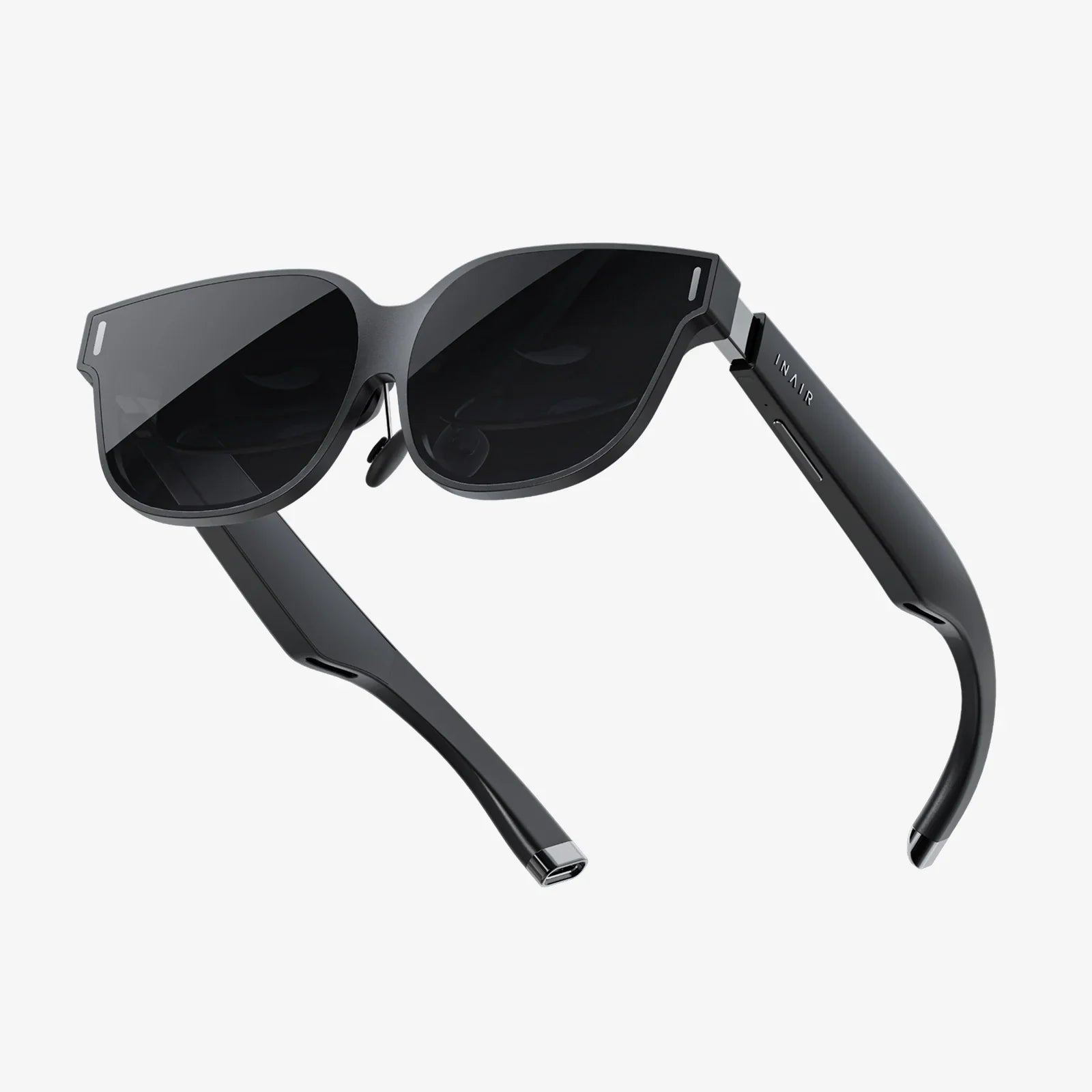
Imagine slipping on a headset and instantly teleporting to a front-row seat at a concert on the other side of the world, walking on the surface of Mars, or collaborating with colleagues as lifelike avatars in a shared digital office. This is no longer the stuff of science fiction; it is the compelling promise of modern virtual reality options. The VR landscape has exploded from a niche curiosity into a rich, multifaceted ecosystem, offering pathways into immersive digital realms for nearly every interest and budget. The journey begins not with a single device, but with understanding the diverse array of portals available, each unlocking a different dimension of the experience. The question is no longer if you will step into VR, but which door you will choose to open.
Defining the Virtual Reality Spectrum
At its core, virtual reality is a simulated experience that can be similar to or completely different from the real world. It employs specialized hardware to generate realistic images, sounds, and other sensations that replicate a real environment or create an imaginary setting. However, not all virtual experiences are created equal. The term "virtual reality options" encompasses a broad spectrum of technological approaches, each with its own strengths, limitations, and ideal use cases. The primary differentiator lies in their computational power, mobility, and the level of immersion they provide. Understanding these categories is the first step to navigating this exciting digital frontier.
The Powerhouses: Tethered and PC-VR Systems
For those seeking the most immersive, high-fidelity virtual experiences, tethered systems represent the pinnacle of consumer VR technology. These headsets act as high-resolution displays and sophisticated sensor platforms, but they are physically connected to a powerful external computer that does the heavy lifting of rendering complex virtual worlds.
Unmatched Performance and Fidelity
The primary advantage of this category is raw power. By leveraging the processing might of a high-end gaming computer, tethered VR options can deliver stunningly detailed graphics, incredibly smooth performance (high frame rates), and vast, complex environments that are simply beyond the reach of self-contained devices. This makes them the undisputed choice for hardcore gamers, professional designers, architects, and anyone for whom visual perfection and minimal latency are non-negotiable.
The Trade-Offs: Cost and Complexity
This premium experience comes with significant considerations. The initial investment is the highest of all virtual reality options, encompassing both the cost of the headset itself and the powerful computer required to run it. Setup is more involved, requiring careful cable management and a designated play space. The physical tether, while often long and managed with pulleys, can still occasionally remind users of the real world, potentially breaking immersion during active experiences.
Who Are They For?
Tethered systems are the go-to choice for the VR enthusiast, the dedicated sim-racer or flight-simmer, and professionals in fields like automotive design, medical training, and architectural visualization where graphical accuracy is paramount.
The Freedom of Wireless: Standalone VR Headsets
Standalone VR headsets have arguably done more to popularize the technology than any other category. These all-in-one devices have the computer, display, and tracking sensors built directly into the headset, requiring no external PC, phone, or cables to function. They represent a perfect balance of convenience, quality, and accessibility.
The All-in-One Revolution
The genius of the standalone model is its simplicity. Users can power on the device and be inside a virtual environment within seconds. Without a cable to trip over, they enjoy complete freedom of movement, making these systems ideal for room-scale experiences where turning and physical interaction are key. The ecosystem of games and applications for standalone platforms is massive and growing rapidly, often featuring exclusive titles developed by some of the biggest names in the industry.
Balancing Act: Performance vs. Portability
While their performance has increased dramatically with each new generation, standalone headsets still cannot match the sheer graphical horsepower of a top-tier tethered system running on a beast of a gaming PC. They are mobile processors optimized for efficiency and heat management, meaning developers must carefully optimize their creations to run within these constraints. Battery life is also a factor, with most devices offering two to three hours of continuous use on a single charge.
Who Are They For?
Standalone headsets are the perfect entry point for most consumers. They are ideal for families, fitness enthusiasts using VR for workouts, social VR users, and gamers who value pick-up-and-play convenience and wireless freedom above ultra-realistic graphics.
The Entry Point: Smartphone-Based VR
In the earlier days of the modern VR resurgence, smartphone-based options served as a critical and accessible introduction to the technology. These holders, often made from cardboard or lightweight plastic, house lenses into which a user slides their smartphone. The phone's screen becomes the display, and its sensors (gyroscope, accelerometer) handle the head tracking.
Accessibility and Low Barrier to Entry
The biggest advantage of this category is its low cost and simplicity. For a minimal investment, anyone with a compatible smartphone could experience basic 360-degree videos and simple interactive apps. This democratized access to VR and allowed a massive audience to dip their toes into immersive content without a major financial commitment.
Technical Limitations and a Fading Segment
The experience is fundamentally limited by the capabilities of the user's phone. Graphical fidelity, tracking precision, and interactivity are rudimentary compared to dedicated systems. There are no built-in controllers for nuanced interaction, typically relying on a simple Bluetooth clicker or gaze-based controls. As the performance gap between these and standalone headsets has widened, and as the latter have become more affordable, the smartphone-VR segment has significantly declined in relevance.
Who Are They For?
Today, these options are primarily used for passive viewing of 360-degree media or as a very first, low-cost introduction to VR concepts, often in educational or promotional contexts.
Beyond Entertainment: The Professional and Enterprise Arena
The conversation around virtual reality options is incomplete without acknowledging their profound impact beyond the living room. A whole class of professional and enterprise-grade headsets exists, designed for specific business, medical, military, and industrial applications.
Specialized Hardware for Critical Tasks
These systems often prioritize features that are unnecessary for consumers but vital for professionals. This includes ultra-high-resolution displays for seeing minute details, eye-tracking for advanced analytics and control, and enhanced inside-out tracking for precise manipulation of digital objects. Some enterprise-focused devices are even designed to integrate with other equipment, like surgical robots or large-scale simulators.
Transforming Industries
The applications are vast and transformative. Surgeons practice complex procedures on virtual anatomies, corporate teams spread across the globe conduct meetings in shared virtual boardrooms, architects walk clients through unbuilt designs at a 1:1 scale, and factory workers are trained on dangerous machinery in a completely safe environment. These professional virtual reality options are not just about immersion; they are about enhancing precision, safety, collaboration, and efficiency.
Key Factors to Consider When Choosing Your VR Portal
With this landscape in mind, selecting the right virtual reality option becomes a matter of aligning technology with your personal needs and circumstances.
Content and Ecosystem
Your desired experiences should guide your hardware choice. Are you primarily a gamer? Research which platform has the exclusive titles you crave. Interested in fitness? Ensure the headset is comfortable for sweating and has a strong library of workout apps. Focus on social connection? Prioritize a system with a robust social platform and strong avatar support. The hardware is merely a gateway; the software is the destination.
Hardware Specifications: Resolution, Refresh Rate, and Field of View
Technical specs matter. A higher resolution reduces the "screen door effect" (seeing the gaps between pixels), leading to a clearer, more believable image. A high refresh rate (90Hz and above) ensures smooth motion, which is critical for comfort and preventing simulator sickness. A wider field of view (FOV) increases the sense of immersion by filling more of your peripheral vision. Weigh these specs against your budget and the power of the system driving them.
Tracking and Controllers
How does the system track your movement? Inside-out tracking, where cameras on the headset map the environment, offers great convenience and setup ease. Outside-in tracking, using external base stations, can provide sub-millimeter precision for competitive gaming. The controllers are your hands in the virtual world. Evaluate their ergonomics, haptic feedback (subtle vibrations), and the intuitiveness of their button layouts.
The Critical Element of Comfort
A headset can have the best specs in the world, but if it's uncomfortable to wear, you won't use it. Consider weight distribution, padding materials, and strap design. If you wear glasses, look for models with enough space or custom lens inserts. For active use, a secure fit and breathable materials are essential.
Budget: The Total Cost of Ownership
Look beyond the headset's sticker price. For tethered systems, remember the cost of the gaming PC. For all systems, factor in the price of software, which can be $20-$60 per premium game, and any optional accessories like additional face interfaces, carrying cases, or upgraded straps.
The Future is Immersive and Interconnected
The evolution of virtual reality options is accelerating toward a future of greater convergence and interoperability. We are moving toward a spectrum where the lines between categories blur. Features like augmented reality passthrough, where cameras on the headset allow you to see your real environment, are becoming standard, enabling mixed-reality experiences. The concept of the "metaverse"—a persistent network of interconnected virtual spaces—promises that your identity and digital assets will eventually be portable across different devices and platforms. The future of VR is not just about better graphics inside a single headset; it's about creating a seamless fabric of digital and physical reality, accessible through a diverse range of portals tailored to every moment and need.
The array of virtual reality options available today is more than just a list of gadgets; it is a menu of potential futures. Each headset is a key to a different kingdom, offering unique adventures, tools for creation, and new ways to connect. Whether you are drawn to the crystal-clear pinnacle of tethered power, the liberated wireless playground of a standalone device, or the specialized tools of the enterprise world, there has never been a better time to explore. The digital frontier is vast, surprisingly affordable, and waiting for you to take the first step. Your journey into the next dimension begins with a single choice—which reality will you choose to make your own?
Share:
Hologram Sunglasses: The Future of Augmented Reality on Your Face
Prescription Glasses with Bluetooth: The Ultimate Guide to Hearing and Seeing the Future