


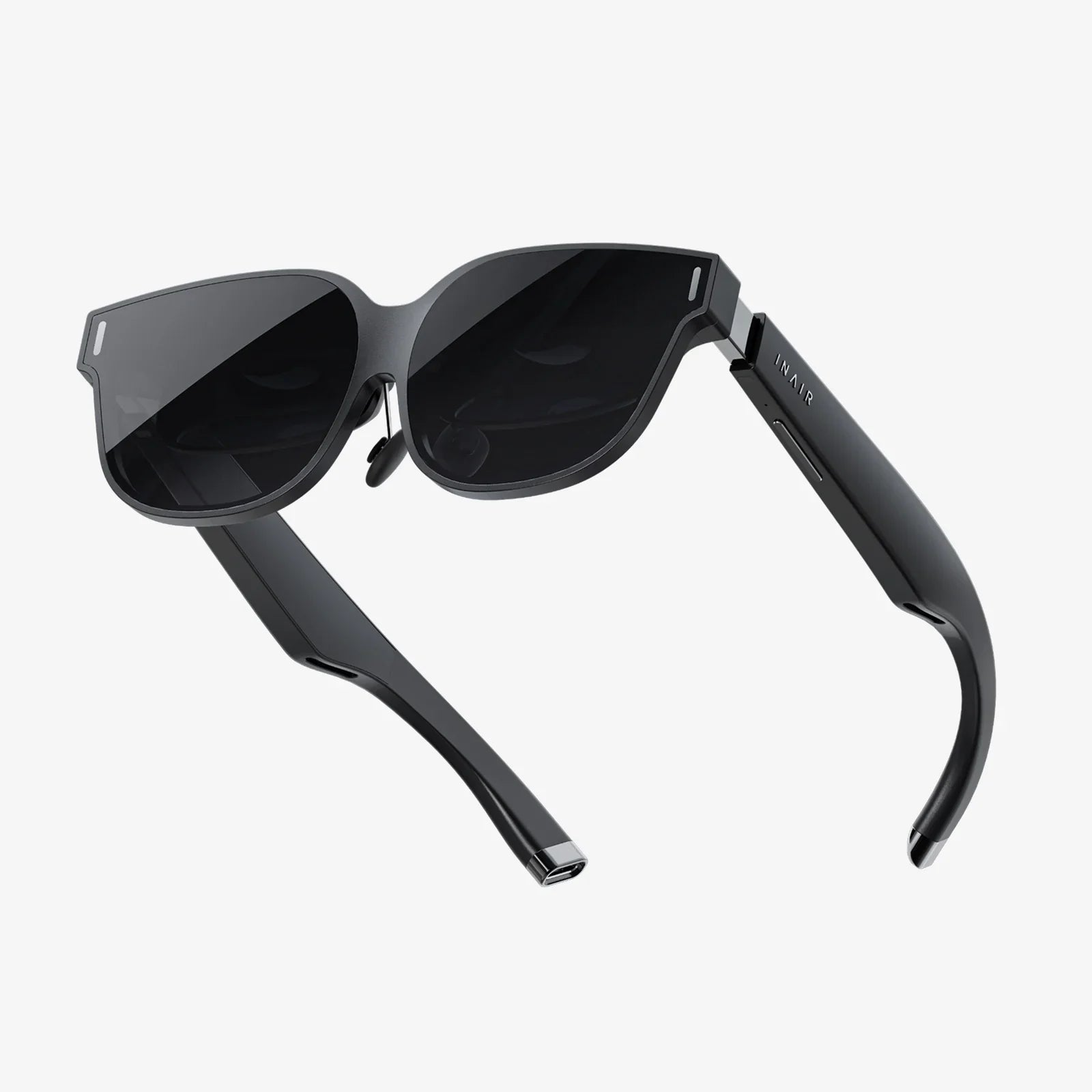
Imagine a world where your most essential accessory, the one that brings the world into sharp focus, also serves as your personal concert hall, your private podcast studio, and your discreet communication hub. This isn't a glimpse into a distant sci-fi future; it's the reality offered by the latest innovation in wearable tech: prescription glasses with built-in speakers. This groundbreaking convergence of audiology and optometry is more than a mere gadget; it's a paradigm shift in how we interact with technology, offering unprecedented convenience, accessibility, and a new form of personal audio that respects your surroundings and your style.
The Genesis of a Revolutionary Idea
The journey towards integrating audio into eyewear began not with a focus on prescription lenses, but with the broader ambition of making technology more personal and less intrusive. For decades, the primary method of private audio consumption has been the headphone, evolving from large over-ear models to the now-ubiquitous earbuds. While effective, these solutions create a physical barrier between the user and their environment, often requiring a conscious effort to use and carry. The concept was simple yet profound: what if the audio could emanate from a device you were already wearing? Eyewear, a necessity for billions, presented the perfect platform. The initial forays involved non-prescription sunglasses with basic audio capabilities, but the true potential was unlocked when this technology was married with corrective vision. This fusion addressed a fundamental need, transforming a compulsory medical device into a multifunctional powerhouse of modern living.
How Do Glasses Produce Sound? The Magic of Audio Transducers
Unlike traditional headphones that fire sound directly into the ear canal, the audio technology in these glasses is fundamentally different and relies on a fascinating principle. Most models utilize components known as bone conduction transducers or similar open-ear audio systems.
Instead of using speakers, these systems employ tiny transducers that are strategically embedded within the temples (arms) of the glasses. These transducers create subtle vibrations that travel through the skull bone, bypassing the eardrum entirely and directly stimulating the cochlea. Alternatively, some systems use miniature speakers that are positioned near the ear but not inside it, projecting sound waves towards the ear canal without creating a seal. The result is a unique auditory experience where you hear music, podcasts, and calls with clarity, but your ear canals remain completely open. This allows you to remain acutely aware of ambient sounds—a car horn, a colleague's voice, or the sounds of nature—making it significantly safer for activities like walking, cycling, or commuting.
Beyond Convenience: The Profound Benefits of All-in-One Tech
The advantages of combining your vision correction with your audio solution extend far beyond simply having one less item to carry.
Unmatched Convenience and Minimalism
This is the most immediate benefit. The mental load of remembering, charging, and managing multiple devices is eliminated. Your glasses are already the first thing you put on in the morning and the last thing you take off at night. They become your always-available audio interface. There are no wires to untangle, no earbuds to lose in the depths of a bag, and no need to switch devices when a call comes in. For the modern professional, it means seamlessly taking a conference call while walking between meetings without fumbling for Bluetooth earbuds. For the avid traveler, it means watching a movie on a plane or navigating a new city with GPS directions without isolating yourself from your surroundings.
A New Dimension of Situational Awareness
Traditional noise-canceling headphones, while excellent for immersion, create a dangerous auditory void. Prescription glasses with speakers redefine personal audio by designating it as a layer on top of your real-world experience, not a replacement for it. This is a critical safety feature for urban dwellers, runners, and cyclists. It also fosters better social etiquette; you can listen to music while still being present in a conversation, allowing you to pause your audio and engage without the awkward removal of headphones.
Enhanced Accessibility and Comfort
For individuals who find in-ear headphones uncomfortable, painful, or who simply cannot wear them due to medical conditions like chronic ear infections, this technology is liberating. It offers a comfortable, all-day wearable audio solution without any pressure in or on the ears. Furthermore, the hands-free nature of calls and audio control, often managed through simple touch sensors on the frame or voice commands, provides immense value to those with mobility or dexterity challenges.
Discreet and Stylish Integration
Let's face it, the distinct look of someone wearing white earbuds is a trademark of the past two decades. This technology offers a subtler, more sophisticated alternative. The speakers are completely hidden within the frame's design, which itself comes in a variety of classic and contemporary styles. To anyone else, they appear to be a regular, stylish pair of glasses. This allows you to consume media or take calls in environments where wearing headphones might be considered rude or unprofessional, without drawing any attention.
Considering the Compromise: Understanding the Limitations
As with any emerging technology, it's crucial to have realistic expectations. The audio experience is different from high-fidelity, noise-isolating headphones.
Audio Quality: While the sound quality has improved dramatically, it generally may not satisfy dedicated audiophiles seeking deep, thunderous bass and a perfectly sealed acoustic chamber. The audio is clear and perfect for podcasts, phone calls, and most music, but it operates in open air, which can be affected by very loud environments.
Privacy: Because the sound is projected near your ear rather than sealed inside it, there is a potential for sound leakage in very quiet settings. At moderate volumes in typical environments, those around you are unlikely to hear what you're listening to, but it's not a guarantee of absolute privacy in a silent library.
Battery Life: Incorporating audio components and Bluetooth connectivity necessitates a battery. While most models offer a full day of typical use, it is another device to add to your charging routine. The need to charge your glasses is a new habit that adopters must form.
Who Stands to Gain the Most? Identifying the Ideal User
This technology isn't necessarily for everyone, but it is a perfect fit for specific lifestyles and professions.
- The Active Professional: Constantly on calls, moving between offices, and needing to stay aware of their environment.
- The Commuter and Urban Explorer: Navigates busy streets safely while enjoying entertainment or directions.
- The Tech-Savvy Minimalist: Seeks to streamline their daily carry and reduce gadget clutter.
- Individuals with Hearing or Comfort Sensitivities: Those who cannot use traditional in-ear audio solutions.
- Accessibility Users: People who benefit greatly from hands-free, always-available audio commands and communication.
A Glimpse into the Future: Where Does This Technology Go From Here?
The integration of speakers is likely just the beginning. The frame of a pair of glasses offers a prime real estate for a suite of sensors and technologies. We can anticipate future iterations that include:
- Advanced biometric sensors for monitoring health metrics like heart rate and activity levels.
- Integrated assistive technologies for the visually impaired, such as object recognition and navigation cues delivered through audio.
- More sophisticated beamforming microphones for crystal-clear voice pickup in noisy environments, making them unparalleled tools for communication.
- Even tighter integration with augmented reality (AR) platforms, where the glasses project visual data and complement it with a rich, spatial audio landscape.
The prescription glasses with speakers are not just a novelty; they are a foundational step towards a future where our most personal devices are multifunctional, unobtrusive, and deeply integrated into our daily lives, enhancing our capabilities without isolating us from the world around us.
The line between necessity and luxury has never been so beautifully blurred. This innovation challenges us to rethink the very purpose of the objects we wear every day, transforming a tool for clear sight into a gateway for enriched experience. It promises a world where you can step out your door with nothing but your glasses on your face, equipped not only to see the world in perfect detail but to soundtrack your journey through it, all while staying connected, aware, and effortlessly stylish. The future of personal tech isn't in your pocket; it's on your face.
Share:
Wearable Trends: The Future on Your Wrist and Beyond
AR Glasses vs Monitor: The Ultimate Showdown for Your Digital Workspace