


- by wangfred
Price of Augmented Reality Headset - A Deep Dive Into Cost, Value, and Market Dynamics
- by wangfred
Imagine slipping on a pair of sleek glasses and instantly overlaying digital information onto your physical world—navigating city streets with floating directional arrows, collaborating with 3D holograms of colleagues, or learning to repair an engine with step-by-step diagrams superimposed on the machinery. This is the promise of augmented reality (AR), a technology poised to revolutionize how we work, play, and connect. But for many, the dream remains just out of reach, tethered to a single, pivotal question: what is the true price of augmented reality headset technology, and is it worth the investment? The answer is far more complex than a simple number on a price tag; it's a story of breathtaking innovation, strategic market positioning, and a fierce race to bring the next computing platform to the masses.
To understand the vast range in the price of augmented reality headset models, one must first appreciate the different categories they occupy. Not all AR devices are created equal; they are engineered for vastly different purposes, and this purpose is the primary driver of cost.
On the most accessible end of the spectrum are mobile-based viewers. These are typically simple, often plastic, holders for a smartphone, which acts as the display and processing brain. The price of augmented reality headset units in this category is remarkably low, sometimes under a hundred currency units. They offer a fun, introductory glimpse into AR but are severely limited by the smartphone's processing power, field of view, and lack of sophisticated tracking. They represent the entry-level ticket to basic AR experiences but fall short of the immersive, hands-free ideal.
This category represents the current heart of the dedicated AR market. These are self-contained units with their own processors, sensors, batteries, and high-resolution displays. Designed for professional use in fields like manufacturing, logistics, medicine, and design, they are built for robustness, precision, and all-day productivity. The price of augmented reality headset devices here is significantly higher, reflecting the advanced technology packed inside. We are talking thousands, not hundreds, of currency units. The cost is justified for businesses by measurable returns: reducing errors, speeding up complex tasks, and enabling remote expert guidance, which can lead to massive savings and efficiency gains.
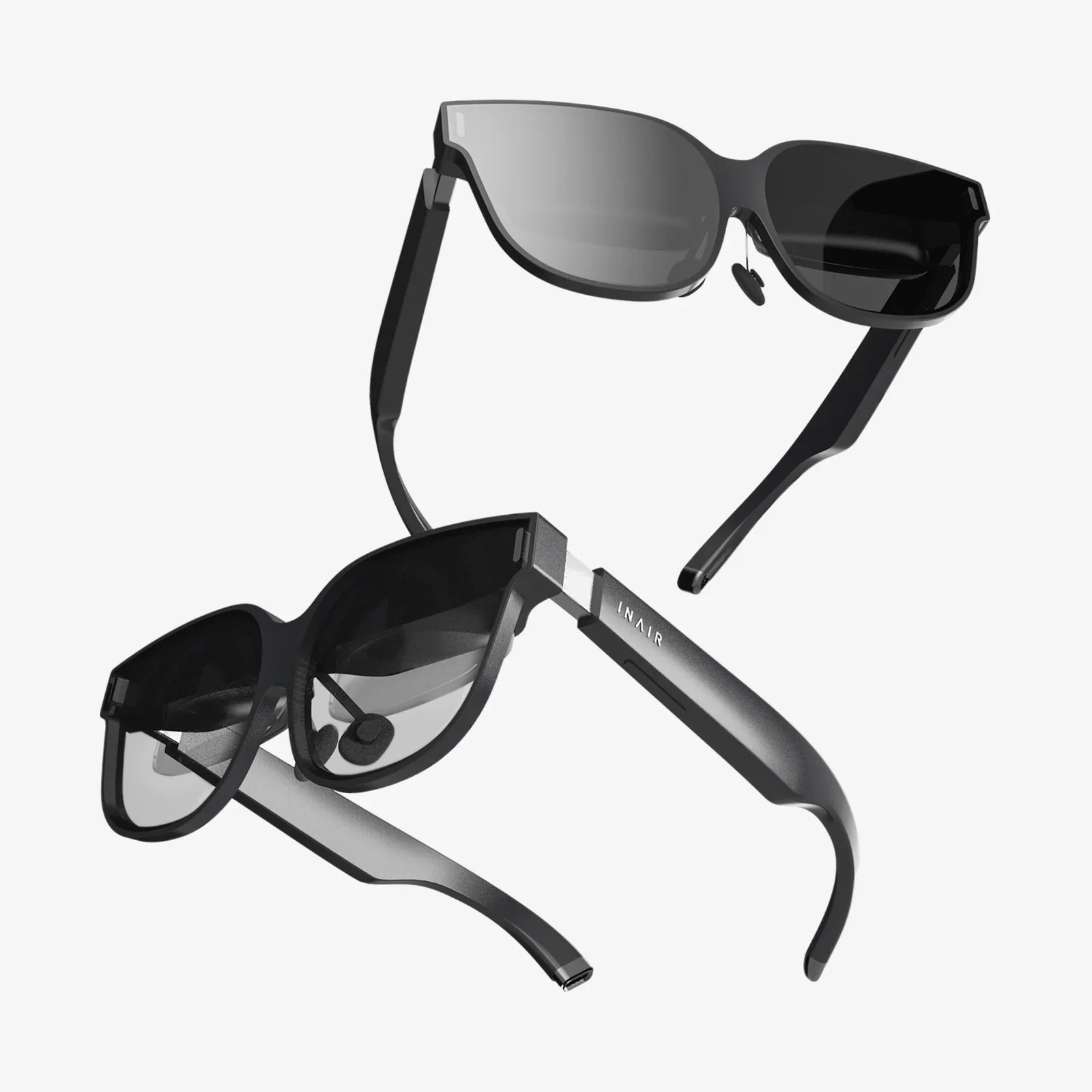
This emerging category aims to bridge the gap between high-functionality and high-style. The goal is to create devices that look like ordinary eyeglasses or slightly bulkier sunglasses but still pack enough technology to deliver meaningful AR experiences. Achieving this requires monumental feats of miniaturization and new display technologies like waveguides, which are incredibly complex and expensive to produce. Consequently, the price of augmented reality headset models in this nascent category is currently positioned at a premium, targeting early adopters and specific professional applications where discretion is valued. This is the vanguard of the industry, where the high cost of R&D and low-volume production is directly passed on to the initial customers.
Why can one headset cost a few hundred units while another commands several thousand? The devil, and the dollars, are in the details—the sophisticated components that bring digital content into our world seamlessly.
The display is arguably the most critical and costly component. It must be bright enough to overlay graphics onto the real world, which is often well-lit, while also being high-resolution, energy-efficient, and small. Technologies like MicroLED paired with advanced waveguide optics are the gold standard, offering crisp images in a compact form factor. However, manufacturing these microscopic components is challenging, with low yields, making them exceptionally expensive. The choice of display technology is the single biggest factor influencing the final price of augmented reality headset hardware.
For a headset to understand and interact with its environment, it needs a suite of sensors. This typically includes:
Each additional sensor adds to the component cost and the computational complexity, pushing the price of augmented reality headset systems upward.
Processing all this sensor data in real-time, rendering complex 3D graphics, and running machine learning algorithms for hand-tracking and scene understanding requires significant computational power. Standalone headsets need to pack the processing equivalent of a high-end smartphone into a much smaller thermal envelope. Developing these specialized chipsets or adapting mobile architectures is a costly endeavor. Furthermore, this processing hunger demands a capable battery. Balancing all-day battery life with a sleek, comfortable form factor is a major engineering challenge, and advanced battery technology adds a substantial premium to the final bill of materials.
The price of augmented reality headset technology isn't just about physical components. The cost of years of research, development, and iteration is baked into the final product price. Furthermore, a robust software platform, development tools (SDKs), and ongoing support and updates are crucial for a viable ecosystem. This continuous investment in software is a significant cost that manufacturers must recoup.
The initial purchase is only part of the total cost of ownership, especially for enterprise users.
A headset is a blank slate without software. For businesses, developing custom applications tailored to their specific workflow is a major undertaking. This involves hiring or training developers skilled in 3D modeling and AR development platforms, which represents a substantial soft cost that can easily dwarf the price of the hardware itself. The availability of compelling consumer content is also a barrier; a lack of "killer apps" can make a device feel overpriced, regardless of its technical merits.
For a company deploying hundreds of headsets across global facilities, the logistics of device management, security, software updates, and technical support create a significant ongoing operational expense. Many enterprise AR solutions include annual service and support contracts, adding to the long-term price of augmented reality headset deployment.
The history of technology, from pocket calculators to flat-screen TVs, shows a predictable pattern: prices fall as technology matures, manufacturing scales, and competition intensifies. AR is expected to follow the same path.
Currently, AR headsets are produced in relatively low volumes. As the market grows and consumer demand increases, manufacturers will achieve economies of scale, driving down the per-unit cost of components. Innovations in manufacturing, particularly for waveguides and micro-displays, will improve yields and reduce waste, further cutting costs.
Breakthroughs in areas like photonics and battery technology will enable more powerful and efficient devices at lower price points. Furthermore, the integration of AI accelerators will offload complex tasks from the main processor, optimizing performance and potentially reducing the need for the most expensive chipsets.
The mobile phone industry perfected the model of subsidizing hardware costs through carrier contracts and app store revenue. It's plausible that future AR headsets could be sold near or even below cost, with manufacturers and platform holders recouping investment through software marketplaces, subscription services for cloud processing, enterprise software licenses, and advertising within AR experiences. This could dramatically lower the barrier to entry for consumers.
The journey to a world where high-quality augmented reality is as ubiquitous and affordable as a smartphone is well underway. The current price of augmented reality headset technology reflects its position on the cutting edge—a necessary premium for early access to the future. As the underlying components become cheaper to produce, as manufacturing scales to meet global demand, and as new business models emerge, that premium will steadily evaporate. The true value of this technology is not measured in its cost today, but in its potential to redefine reality tomorrow. The question will soon shift from "Can I afford this headset?" to "How did I ever live without it?"
Share:
New VR AR Headset Risks Being A Monument To Unchecked Ambition
AI Glasses UK: The Future on Your Face is Here and Now